

Are you looking for a dog that doesn’t trigger your allergies and is full of charm, intelligence, and energy? The Standard Schnauzer might just be the perfect fit for you.
Standard Schnauzer hypoallergenic known for their distinct, wiry coats and lively personalities, these dogs are often labeled as “hypoallergenic. ” But what does that really mean for you and your family? Can this breed truly help ease your allergy worries while becoming a beloved part of your household?
In this post, we’ll uncover the truth about the Standard Schnauzer’s hypoallergenic reputation, why their coat makes them stand out, and how they might help you breathe easier—literally and figuratively. Stick around, because by the end, you’ll have the clarity you need to decide if this unique breed is the allergy-friendly companion you’ve been dreaming of.
Hypoallergenic Traits
The Standard Schnauzer is a medium-sized dog breed that stands out for its intelligence, energy, and charm. While these dogs are known for their unique, bearded appearance, many people are drawn to them for another reason: their hypoallergenic traits. For individuals with allergies, this breed may be a suitable companion due to its coat and grooming needs.
Understanding Hypoallergenic Coats
The Standard Schnauzer has a wiry, double-layered coat that sheds minimally. This helps reduce the amount of dander and hair released into the environment, a major trigger for allergies. Unlike heavy shedders, their coarse outer coat works as a barrier, trapping loose hair and dander until grooming.
Regular brushing removes trapped allergens, keeping their coat clean and allergen levels manageable. This unique coat type is one of the reasons why they are often considered hypoallergenic.
Low Dander Production
One of the most common causes of pet allergies is dander, which is made up of tiny flakes of skin. Standard Schnauzers produce less dander compared to many other breeds. This makes them more tolerable for people with mild sensitivities.
Pairing their low dander production with consistent grooming can significantly reduce the risk of allergic reactions.
Grooming Routine For Allergy Reduction
Maintaining a Standard Schnauzer’s coat is essential for keeping allergens under control. Their wiry coat benefits from regular brushing, typically 2–3 times a week, to remove loose hair and minimize dander.
Professional grooming every 6–8 weeks ensures their coat stays healthy and reduces allergen buildup. Bathing them with hypoallergenic dog shampoo also helps to further lower allergens.
Comparing Hypoallergenic Dog Breeds
| Breed | Coat Type | Shedding Level | Hypoallergenic Rating |
|---|---|---|---|
| Standard Schnauzer | Wiry, Double-Layered | Low | High |
| Poodle | Curly | Very Low | High |
| Bichon Frise | Soft, Curly | Low | High |
| Bulldog | Short, Smooth | Moderate | Low |
Key Takeaways
- Standard Schnauzers are an excellent choice for allergy-sensitive individuals due to their low-shedding coats.
- Regular grooming is vital to control allergens and maintain their hypoallergenic traits.
- They produce less dander compared to many other breeds, reducing allergy risks further.
Schnauzer Characteristics
The Standard Schnauzer is a breed admired for its intelligence, loyalty, and unique appearance. One of its standout features is its hypoallergenic coat, making it an excellent choice for allergy sufferers. Beyond its coat, the Schnauzer’s characteristics include a sturdy build, a distinct coat type, and an alert, friendly personality. Let’s explore these traits in more detail to understand why this breed is so cherished.
Size And Build
The Standard Schnauzer is a medium-sized dog with a square, well-proportioned build. It strikes the perfect balance between agility and strength, making it versatile for various activities.
Here are some key details about its size and structure:
- Height: Typically, males stand 18-20 inches tall, while females are slightly shorter at 17-19 inches.
- Weight: Adult Schnauzers weigh between 30-50 pounds, depending on gender and diet.
- Body Shape: Compact and muscular with a strong back and deep chest for endurance.
This breed’s athletic build allows it to excel in activities like agility, tracking, and even farm work. Despite their medium size, they are sturdy and robust, which contributes to their confidence and bold demeanor. Their upright ears and bushy eyebrows give them a unique, intelligent expression that many dog enthusiasts adore.
Here’s a quick overview of their physical dimensions:
| Attribute | Measurement |
|---|---|
| Height (Male) | 18-20 inches |
| Height (Female) | 17-19 inches |
| Weight | 30-50 pounds |
Their medium size makes them adaptable to both urban and rural living. They are neither too small to be fragile nor too large to be intimidating.
Coat Type
The Standard Schnauzer’s coat is one of its defining features. It is a double coat designed to protect the dog in various climates.
Key characteristics of their coat include:
- Outer Coat: Dense and wiry, providing weather resistance and durability.
- Undercoat: Soft and close to the skin, offering insulation during cold weather.
- Hypoallergenic Quality: The coat sheds minimally, which helps reduce allergens in the environment.
This breed requires regular grooming to maintain its coat’s texture and appearance. Their wiry outer coat needs hand-stripping or clipping to prevent matting and to keep it looking tidy. Daily brushing can also help remove dirt and debris.
Here’s a quick breakdown of their coat needs:
| Coat Feature | Description |
|---|---|
| Outer Coat | Wiry, dense, and weather-resistant |
| Undercoat | Soft and insulating |
| Hypoallergenic | Minimal shedding, ideal for allergy sufferers |
Their unique coat not only adds to their charm but also serves a functional purpose. It protects them during outdoor adventures while being manageable for owners sensitive to pet allergens.
Allergy Considerations
The Standard Schnauzer is a medium-sized dog breed known for its intelligence, loyalty, and unique appearance. While many people admire this breed, some wonder if it is hypoallergenic. Allergy considerations are essential for those sensitive to pet dander, saliva, or other allergens. Understanding the factors that contribute to allergies can help make informed decisions about living with a Standard Schnauzer.
Common Allergens
Allergies related to pets often stem from specific substances produced by the animal. It’s important to recognize that no dog breed is completely hypoallergenic. While Standard Schnauzers are often labeled as hypoallergenic, they still produce allergens that might affect sensitive individuals.
The most common allergens from dogs include:
- Dander: Tiny skin flakes shed by dogs that can trigger allergic reactions.
- Saliva: Proteins in a dog’s saliva can cause allergies, especially during grooming or licking.
- Urine: Proteins in urine can also contribute to allergic reactions.
- Hair: While Schnauzers have a wiry coat that minimizes shedding, hair can still carry allergens.
Compared to other breeds, Standard Schnauzers shed minimally. Their wiry coat traps dander, which reduces its spread in the home. Regular grooming can help reduce dander buildup and maintain cleanliness. While these dogs are often preferred by allergy sufferers, individual reactions may vary.
| Allergen | Description |
|---|---|
| Dander | Microscopic skin flakes that can cause allergic reactions. |
| Saliva | Contains proteins that may trigger allergies. |
| Hair | Can carry allergens like dander and saliva. |
Managing allergens effectively involves regular grooming, vacuuming, and bathing your dog. Using air purifiers can also help reduce allergens in your living space.
Symptoms Of Allergies
Recognizing the symptoms of allergies is crucial for managing your health around dogs. Allergic reactions vary from person to person and can range from mild to severe.
Common symptoms of pet allergies include:
- Runny or congested nose
- Watery, itchy eyes
- Skin rashes or hives
- Sneezing or coughing
- Shortness of breath or wheezing
In severe cases, exposure to allergens may lead to asthma attacks or difficulty breathing. Symptoms often appear shortly after contact with a dog or spending time in areas where allergens are present.
It’s important to differentiate between pet allergies and other environmental allergies. Allergies caused by pollen, dust mites, or mold can sometimes mimic pet allergy symptoms. A visit to a doctor or allergist can help identify the cause of your symptoms.
If you suspect an allergy, consider spending time with a Standard Schnauzer before committing to ownership. This test can help determine if your symptoms worsen around the breed. Taking preventive steps such as grooming the dog often and maintaining a clean home environment can significantly reduce allergic reactions.
Grooming Needs
The Standard Schnauzer is a popular breed known for its intelligence, loyalty, and hypoallergenic coat. While their wiry fur produces less dander than other breeds, they still require proper grooming to maintain a healthy coat and skin. Grooming plays a vital role in keeping them comfortable, reducing allergens, and preventing matting. Their unique double coat demands a routine that combines brushing, trimming, and professional care to ensure they always look and feel their best.
Regular Grooming
Regular grooming is essential for maintaining the Standard Schnauzer’s signature wiry coat. Their double coat consists of a soft undercoat and a coarse topcoat that requires consistent attention. Establishing a routine helps keep their coat clean, tangle-free, and healthy.
Here are some key elements of regular grooming:
- Brushing: Brush their coat at least 2-3 times a week to remove dead hair and prevent matting. Use a slicker brush or a metal comb to reach both layers of the coat.
- Bathing: Bathe them every 4-6 weeks or as needed. Use a gentle, hypoallergenic dog shampoo to avoid irritating their skin.
- Ear Cleaning: Check their ears weekly for dirt or wax build-up. Clean with a vet-approved solution to prevent infections.
- Nail Trimming: Trim their nails every 3-4 weeks to avoid overgrowth, which can cause discomfort or walking issues.
- Teeth Cleaning: Brush their teeth 2-3 times a week to prevent tartar build-up and bad breath.
Consistency is key to keeping their coat in top condition. Regular grooming also strengthens the bond between you and your dog while keeping them healthy.
| Grooming Task | Frequency | Tools Needed |
|---|---|---|
| Brushing | 2-3 times a week | Slicker brush, metal comb |
| Bathing | Every 4-6 weeks | Hypoallergenic dog shampoo |
| Ear Cleaning | Weekly | Vet-approved ear cleaner |
| Nail Trimming | Every 3-4 weeks | Nail clippers or grinder |
| Teeth Cleaning | 2-3 times a week | Dog toothbrush and toothpaste |
Professional Grooming Options
While regular grooming at home is important, professional grooming ensures your Standard Schnauzer’s coat stays in top shape. Professional groomers have the tools and expertise to handle this breed’s unique grooming needs.
Here are some benefits of professional grooming:
- Trimming and Hand-Stripping: Standard Schnauzers require regular trimming or hand-stripping to maintain their wiry coat. Hand-stripping involves removing dead hairs by hand to keep the coat’s texture intact. A professional groomer can expertly perform this labor-intensive process.
- Breed-Specific Styling: Groomers are skilled in creating the classic Schnauzer look, including their iconic beard, eyebrows, and leg furnishings.
- Specialized Equipment: Groomers use high-quality tools and products designed for sensitive skin and wiry coats.
- Health Checks: Groomers often spot early signs of skin issues, ear infections, or other health concerns during grooming sessions.
Professional grooming is typically needed every 6-8 weeks. This allows your Schnauzer to maintain their appearance and keep their coat healthy. The cost of professional grooming varies based on location and services provided, but it is a worthwhile investment for their well-being.
Here’s an overview of professional grooming services for Standard Schnauzers:
| Service | Frequency | Approximate Cost |
|---|---|---|
| Hand-Stripping | Every 6-8 weeks | $60-$120 per session |
| Trimming | Every 6-8 weeks | $50-$100 per session |
| Full Grooming Package | Every 6-8 weeks | $70-$150 per session |
Combining at-home grooming with professional services ensures your Standard Schnauzer stays healthy, comfortable, and looking their best.
Living With A Schnauzer
The Standard Schnauzer is a beloved breed known for its intelligence, loyalty, and unique hypoallergenic qualities. Their wiry coat produces less dander, making them a good option for allergy-sensitive families. Living with a Schnauzer is a rewarding experience, thanks to their playful nature, strong bond with humans, and ability to adapt to various lifestyles. Whether you’re a family with kids or a single individual, understanding their needs ensures a harmonious relationship with this remarkable breed.
Family Compatibility
Standard Schnauzers are affectionate and thrive in family settings. Their playful and protective nature makes them excellent companions for households with children. They can match the energy levels of kids while being gentle and patient.
Here’s why they’re great for families:
- Protective Instincts: Schnauzers are naturally protective, often acting as a watchdog for their family.
- Social Skills: They bond well with all family members, including other pets.
- Adaptability: Whether you live in a small apartment or a large home, they adjust easily.
The table below highlights how Schnauzers compare to other family-friendly dog breeds:
| Characteristic | Standard Schnauzer | Golden Retriever | Beagle |
|---|---|---|---|
| Hypoallergenic | Yes | No | No |
| Energy Level | High | Medium | High |
| Protective Nature | Strong | Moderate | Low |
While Schnauzers get along well with children, supervision is necessary, especially during playtime. Teaching kids to respect the dog’s space ensures a healthy relationship. Their protective instincts also make them cautious around strangers, which is ideal for families seeking added security.
Training Requirements
Standard Schnauzers are intelligent and eager to learn, but they require consistent training. Their strong-willed nature can lead to stubbornness if not addressed early. Structured training helps them become well-behaved companions.
Key training tips for a Standard Schnauzer:
- Start Early: Begin socialization and training as puppies to instill good habits.
- Use Positive Reinforcement: Reward-based training works best with this breed. Use treats or praise to encourage desired behavior.
- Be Consistent: Maintain a regular training schedule to reinforce commands and expectations.
- Channel Energy: Engage in activities like agility training or long walks to keep them mentally and physically stimulated.
Here’s a simple training timeline:
| Age | Training Focus | Duration |
|---|---|---|
| 8-12 Weeks | Basic Commands (Sit, Stay, Come) | 10-15 minutes daily |
| 3-6 Months | Socialization and Leash Training | 20-30 minutes daily |
| 6-12 Months | Advanced Commands and Agility | 30-45 minutes daily |
Consistency and patience are crucial during training. Avoid harsh methods, as they respond poorly to negative reinforcement. Engaging their intelligence with puzzle toys or training games prevents boredom and unwanted behavior.
With proper guidance, a Schnauzer becomes a well-mannered and loyal companion, making every moment with them enjoyable.
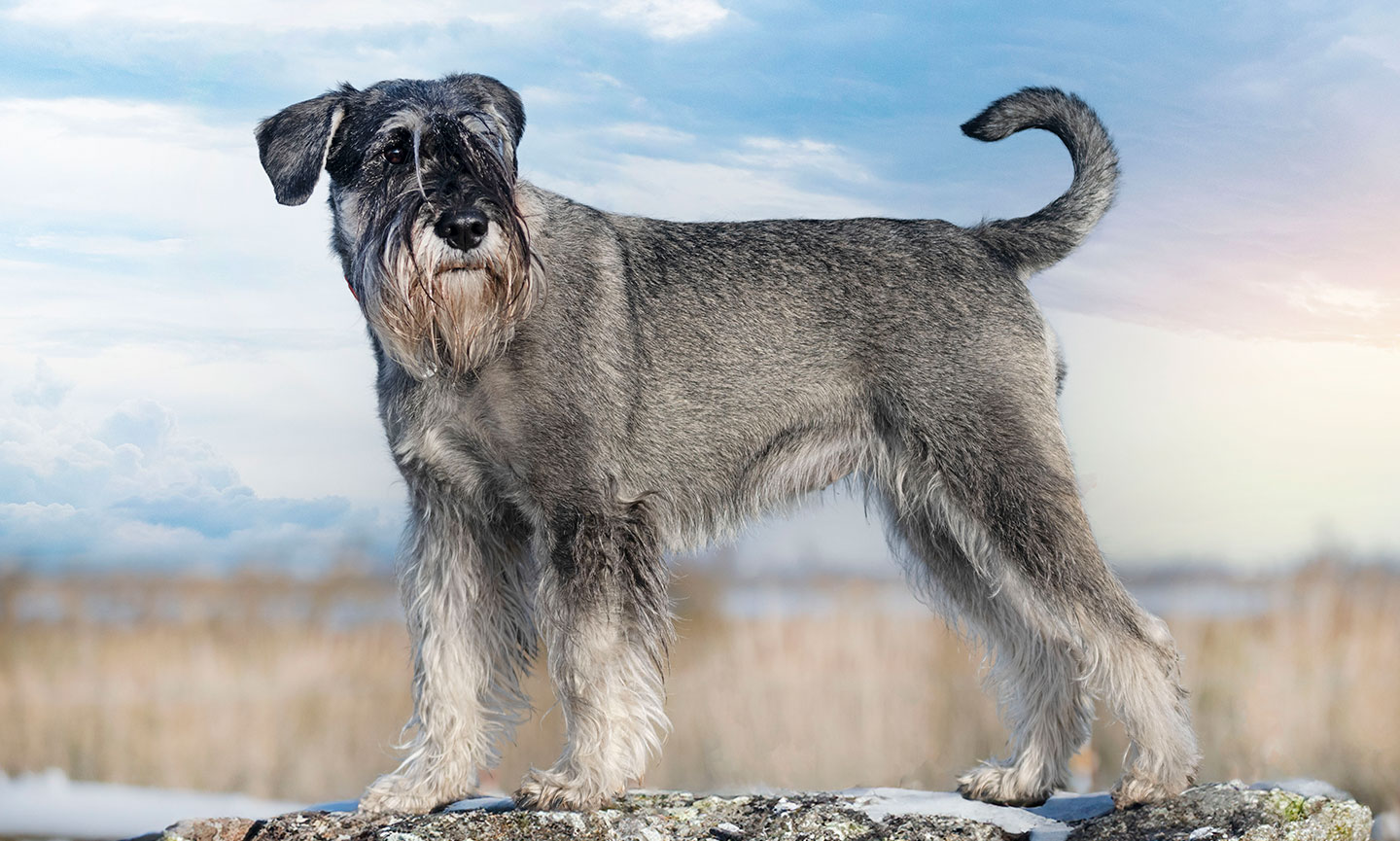
Credit: www.chewy.com
Health Factors
The Standard Schnauzer is a charming breed known for its intelligence, loyalty, and hypoallergenic qualities. While they are often celebrated for their reduced shedding and suitability for allergy sufferers, their overall health is equally important. Understanding potential health factors and adopting preventive care measures ensures a happy and healthy life for your Schnauzer. This section delves into the common health issues and preventive care practices for Standard Schnauzers.
Common Health Issues
Standard Schnauzers are generally a healthy breed, but they can be prone to certain genetic or breed-specific health concerns. Being aware of these issues helps pet owners take timely action.
- Hip Dysplasia: A common issue in many medium-sized breeds, hip dysplasia can affect mobility and cause discomfort.
- Pancreatitis: This breed has a sensitive pancreas. Fat-rich diets can sometimes lead to inflammation.
- Bladder Stones: Schnauzers can develop bladder stones due to their unique urinary system. Proper hydration and diet are key.
- Eye Problems: Progressive Retinal Atrophy (PRA) and cataracts may occur. Regular eye check-ups are essential.
Below is a table summarizing the common health issues and possible symptoms:
| Health Issue | Symptoms | Action |
|---|---|---|
| Hip Dysplasia | Limping, difficulty standing or climbing stairs | Consult a vet for X-rays and treatment options |
| Pancreatitis | Vomiting, abdominal pain, lethargy | Switch to a low-fat diet and seek vet assistance |
| Bladder Stones | Frequent urination, blood in urine | Ensure proper hydration and consult a vet |
| Eye Problems | Cloudy eyes, vision difficulties | Schedule regular eye exams |
Preventive Care
Preventive care plays a major role in enhancing the quality of life for Standard Schnauzers. Implementing healthy practices early on can help avoid or minimize health risks.
Here are some practical preventive care tips for Schnauzer owners:
- Regular Vet Visits: Annual or semi-annual check-ups ensure early detection of health issues.
- Healthy Diet: Opt for high-quality, low-fat dog food to support their sensitive pancreas.
- Hydration: Keep clean, fresh water available at all times to prevent bladder-related problems.
- Exercise: Moderate daily exercise, like walks and playtime, keeps their joints healthy and weight in check.
- Dental Care: Brush their teeth regularly to avoid gum diseases or oral infections.
- Grooming: Trim their coat and clean their ears to minimize infections or irritations.
Below is a quick checklist for preventive care:
| Preventive Measure | Frequency |
|---|---|
| Vet Check-ups | Twice a year |
| Dental Cleaning | Weekly |
| Exercise | Daily |
| Grooming | Monthly |
By staying proactive with preventive care, you can ensure your Standard Schnauzer remains healthy and active for years.
Choosing A Breeder
The Standard Schnauzer is a medium-sized, intelligent, and loyal dog breed. Known for its hypoallergenic coat, it is a great choice for allergy-sensitive households. Choosing the right breeder is essential to ensure you bring home a healthy, well-socialized pup. A good breeder not only provides proper care but also helps you understand the breed’s unique needs. This guide will help you identify the traits of a reputable breeder and the questions to ask when searching for one.
Reputable Breeder Traits
Finding a reputable breeder is crucial for the health and temperament of your Standard Schnauzer. Below are traits that define a responsible breeder:
- Health Testing: A good breeder conducts health screenings for common breed issues, such as hip dysplasia and eye conditions.
- Clean Environment: Puppies are raised in a clean, safe, and stimulating environment.
- Focus on Socialization: Puppies are exposed to various people, sounds, and experiences to prepare them for new homes.
- Transparency: They are open about the puppy’s health history, lineage, and vaccination records.
- Limited Litters: Responsible breeders focus on quality, not quantity, and avoid overbreeding.
- Lifelong Support: They offer guidance on training, nutrition, and care, even after the puppy goes home.
Below is a quick comparison table to help you identify reputable breeders:
| Trait | Reputable Breeder | Unethical Breeder |
|---|---|---|
| Health Testing | Always Conducted | Rare or None |
| Living Conditions | Clean and Spacious | Dirty or Overcrowded |
| Socialization | Well-Socialized | Minimal Interaction |
| Documentation | Complete and Transparent | Incomplete or Missing |
Questions To Ask
Asking the right questions will help you understand the breeder’s practices and ensure they are responsible. Here are some questions to consider:
- What health tests have been done on the parents? Ensure the breeder has screened for genetic conditions common in Standard Schnauzers.
- Can I meet the puppy’s parents? Observing the parents’ behavior gives insight into the puppy’s temperament.
- How are the puppies socialized? Ask about their exposure to people, children, and other animals.
- What vaccinations and deworming treatments have been given? This ensures the puppy’s medical care is up to date.
- Do you provide a health guarantee? Responsible breeders often include a written agreement for the puppy’s health.
- Can you provide references from past buyers? Speaking to other owners helps verify the breeder’s credibility.
Here’s an example of an ideal interaction:
| Question | Reputable Breeder’s Response |
|---|---|
| What health tests have been done? | “Both parents are tested for hip dysplasia and eye issues.” |
| Can I meet the parents? | “Yes, both parents are on-site and available to meet.” |
| What support do you offer after adoption? | “I’m available for advice throughout the dog’s life.” |
Asking these questions ensures you find a responsible breeder who prioritizes the puppy’s health and well-being.
:max_bytes(150000):strip_icc()/standard-schnauzer-sitting-in-park-1404842843-810d1a7469cb47d39bedbc2cf66546a8.jpg)
Credit: www.dailypaws.com
Adoption Considerations
Adopting a Standard Schnauzer can be an exciting experience, especially for those seeking a hypoallergenic breed. These dogs are known for their intelligence, loyalty, and minimal shedding, making them a great choice for individuals with mild allergies. Before deciding to bring one home, it’s essential to evaluate your options carefully. Whether you’re adopting from a rescue organization or considering fostering, these steps can help ensure a successful match for both you and the dog.
Rescue Organizations
Rescue organizations play a vital role in finding homes for Standard Schnauzers in need. These groups specialize in helping abandoned, surrendered, or stray Schnauzers, giving them a second chance at life. Adopting from a rescue not only saves a life but also supports ethical pet ownership.
Here are some benefits of adopting from a rescue organization:
- Dogs are often spayed/neutered and vaccinated before adoption.
- Rescues typically provide behavioral assessments, ensuring the dog is a good fit.
- Adoption fees are usually lower than purchasing from breeders.
To make the process easier, consider researching reputable Schnauzer rescue groups. Below is a table showcasing examples of well-known organizations:
| Organization Name | Location | Website |
|---|---|---|
| Standard Schnauzer Rescue of the U.S. | Nationwide | Visit Site |
| Schnauzer Love Rescue | Southeast U.S. | Visit Site |
| California Schnauzer Rescue | California | Visit Site |
Before adopting, ask the organization about the dog’s medical history, behavior, and any special needs. A little preparation ensures you bring home a companion that fits your lifestyle.
Fostering Options
Fostering a Standard Schnauzer is a wonderful option for those who want to help without committing to long-term ownership. Foster homes provide temporary care for dogs waiting for adoption. It’s a rewarding experience that allows you to support the breed while deciding if a Schnauzer is right for you.
Benefits of fostering include:
- Helping a dog transition from rescue to permanent home.
- Learning about the breed’s personality and needs firsthand.
- Enjoying companionship without a long-term commitment.
Foster programs vary, but many rescue groups cover the following:
- Food and basic supplies.
- Veterinary care.
- Behavioral support and training.
Fostering is an excellent way to contribute to the rescue community. It also helps reduce overcrowding in shelters. Contact your local Schnauzer rescue group to learn about foster opportunities. They often match dogs with foster families based on lifestyle and experience.
Remember to ask about the organization’s expectations for foster homes. Some may require updates on the dog’s progress or assistance with adoption events. By fostering, you play a crucial role in a Schnauzer’s journey to finding a loving home.
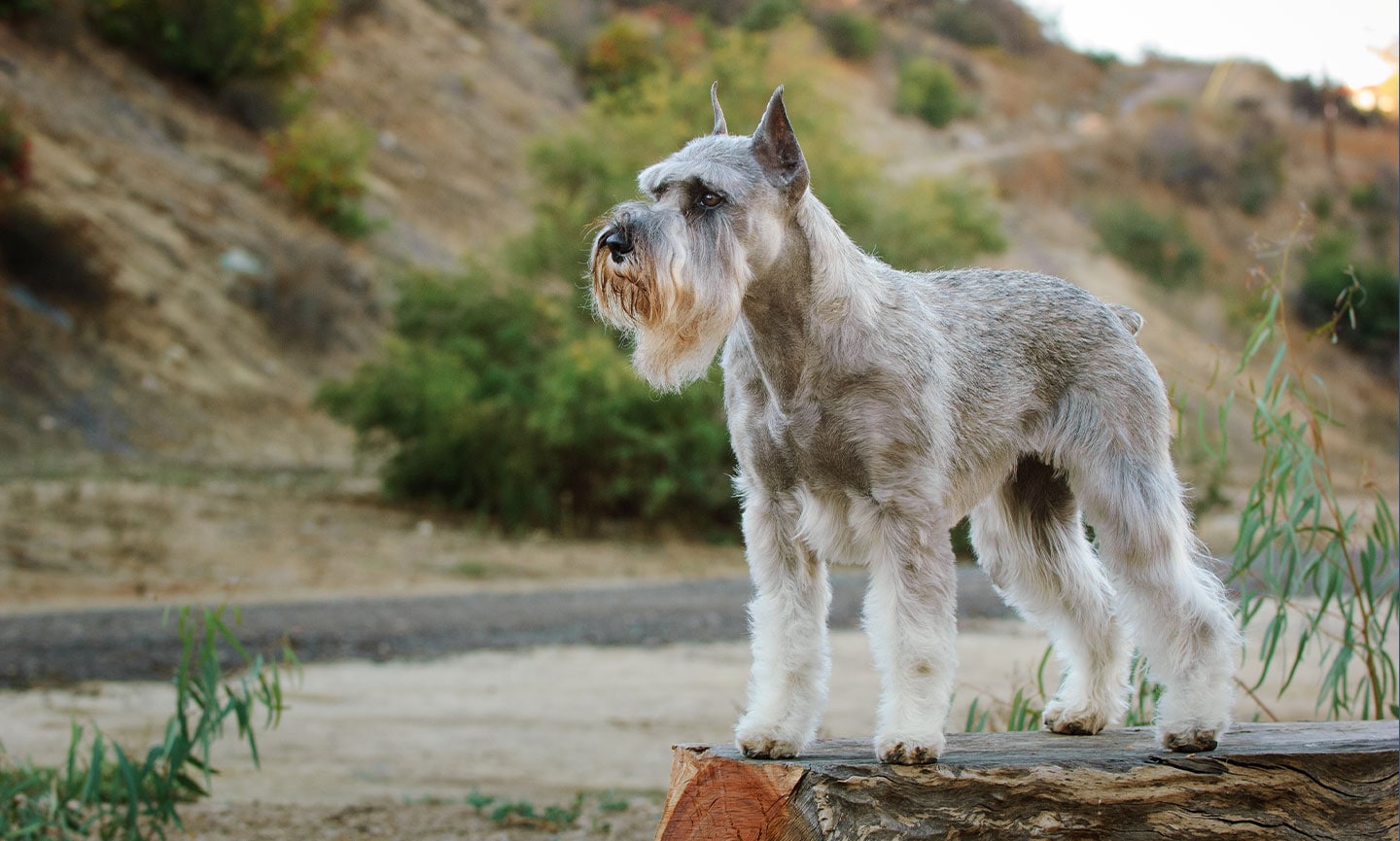
Credit: www.chewy.com
Frequently Asked Questions
Are Schnauzers Good For Allergy Sufferers?
Schnauzers are considered hypoallergenic, producing less dander and shedding minimally. They may be suitable for allergy sufferers. Regular grooming helps reduce allergens.
What Is The Most Hypoallergenic Dog?
Poodles are considered the most hypoallergenic dogs. Their curly coat minimizes shedding, reducing allergens and making them ideal for allergy sufferers.
What Is The Downside Of Schnauzers?
Schnauzers can be stubborn and require consistent training. They need regular grooming due to their wiry coat. Their high energy levels demand daily exercise. They may become vocal or territorial without proper socialization. Some can develop separation anxiety if left alone for long periods.
Early training and attention are essential.
Do Standard Schnauzers Shed A Lot?
Standard Schnauzers are low-shedding dogs. Their wiry double coat reduces shedding but requires regular grooming to prevent matting.
Conclusion
Standard Schnauzers can be a good choice for allergy-sensitive families. Their wiry coat helps reduce shedding and dander in your home. Regular grooming keeps allergens under control and their coat healthy. While no dog is truly hypoallergenic, they are often manageable for mild allergies.
Always spend time with a Schnauzer before bringing one home to ensure compatibility. Each person’s allergies are unique, so testing is important. With proper care, these dogs make loyal and energetic companions. Consider your lifestyle and allergies carefully before making a decision.