

Are you dreaming of a furry companion but worried about sneezing fits and watery eyes? You’re not alone.
Hypoallergenic dogs schnauzer? Many dog lovers face the challenge of allergies when deciding which breed to bring home. That’s where hypoallergenic dogs come in—and the Schnauzer might just be the perfect match for you. Known for their charming personalities and allergy-friendly coats, Schnauzers are a top choice for people seeking a loyal, low-shedding friend.
But what makes the Schnauzer hypoallergenic? And could they truly be the solution you’re looking for? You’ll uncover everything you need to know about this unique breed, from their allergy-friendly qualities to their lovable traits. Stick around—you might just find the answer to your search for the perfect pup.
Schnauzer Breeds
Schnauzers are a popular choice for dog lovers who suffer from allergies. Known for their distinct beard and eyebrows, these dogs are also considered hypoallergenic. Their wiry coat sheds minimally, making them a great option for people sensitive to pet dander. Schnauzers come in three sizes: Miniature, Standard, and Giant. Each breed has its unique traits but shares the Schnauzer’s intelligence, loyalty, and energetic nature.
Miniature Schnauzer
The Miniature Schnauzer is the smallest of the Schnauzer breeds. Weighing between 11 to 20 pounds, they are ideal for apartment living or small spaces. Despite their size, they are full of personality and energy. Their playful nature makes them great companions for families or single owners.
Miniature Schnauzers are known for their intelligence and are quick learners. They excel in obedience training and enjoy mental stimulation. Regular grooming is essential to maintain their hypoallergenic coat. Their wiry fur requires trimming every 6 to 8 weeks to prevent matting and reduce allergens.
- Height: 12 to 14 inches
- Weight: 11 to 20 pounds
- Life Expectancy: 12 to 15 years
These dogs are highly adaptable and thrive in various environments. Whether in a busy household or a quiet home, they bring joy and companionship. Their alert nature also makes them excellent watchdogs.
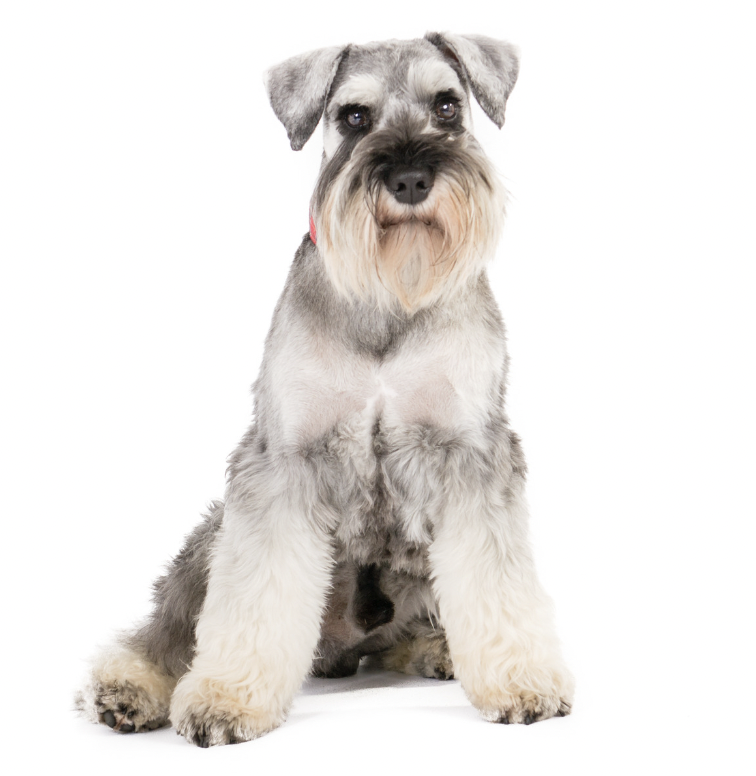
Standard Schnauzer
The Standard Schnauzer is the original Schnauzer breed. Medium-sized, they are sturdier than the Miniature Schnauzer but smaller than the Giant. They typically weigh between 30 to 50 pounds and are known for their athletic build. These dogs are perfect for active families who enjoy outdoor activities.
Standard Schnauzers are highly intelligent and independent thinkers. They require consistent training and socialization from an early age. Their hypoallergenic coat needs regular brushing and periodic grooming to stay in top condition.
| Feature | Details |
|---|---|
| Height | 17 to 20 inches |
| Weight | 30 to 50 pounds |
| Life Expectancy | 13 to 16 years |
The Standard Schnauzer is known for its protective instincts. They are loyal and form strong bonds with their families. Their energetic and playful nature makes them great companions for both kids and adults.
Giant Schnauzer
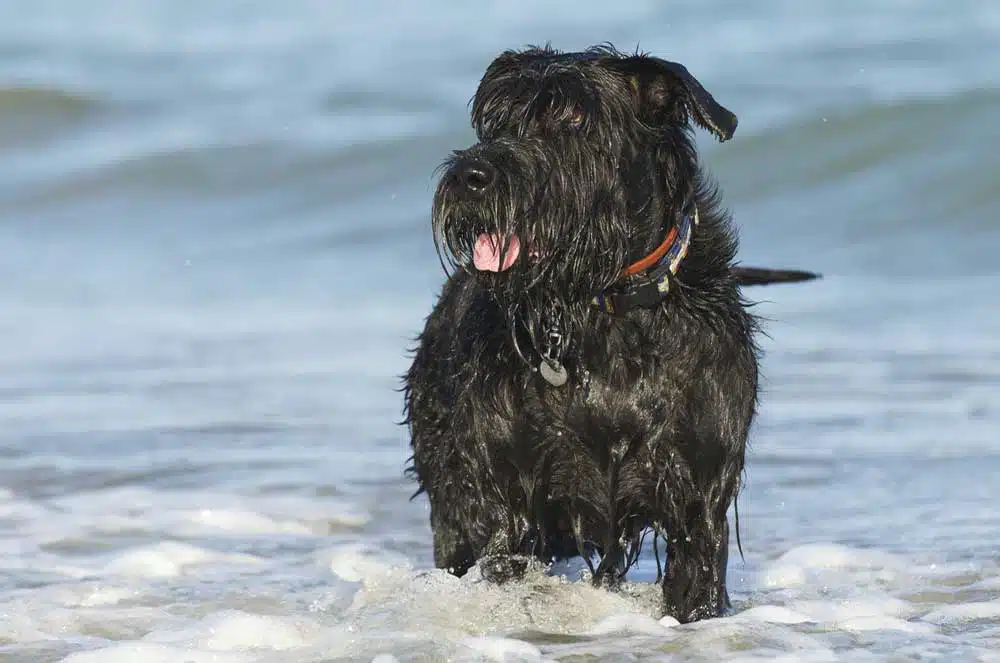
The Giant Schnauzer is the largest of the Schnauzer breeds. Powerful and imposing, they weigh between 55 to 85 pounds. Despite their size, they are gentle giants with a calm and affectionate temperament. They are best suited for experienced dog owners who can provide consistent training and ample exercise.
Giant Schnauzers are highly intelligent and thrive on mental and physical challenges. Daily exercise is essential to keep them happy and healthy. Their dense, hypoallergenic coat requires regular grooming to prevent tangles and maintain its texture.
- Height: 23.5 to 27.5 inches
- Weight: 55 to 85 pounds
- Life Expectancy: 10 to 12 years
They are excellent working dogs and excel in tasks such as guarding and search-and-rescue. Their protective nature makes them loyal to their families, but early socialization is crucial. The Giant Schnauzer is a devoted and courageous companion for those who can meet their needs.
Credit: rockykanaka.com
Hypoallergenic Traits
Schnauzers are often praised for their hypoallergenic qualities, making them a great choice for allergy sufferers. While no dog is entirely free from allergens, certain breeds like Schnauzers produce fewer allergens, making them easier to live with. Their unique coat and skin traits contribute to their hypoallergenic reputation. Below, we explore the key hypoallergenic traits of Schnauzers.
Low Shedding
Schnauzers are known for their low-shedding coat, which is a big advantage for people with allergies. Unlike many other dog breeds, they don’t shed heavily, reducing the amount of loose fur around your home. This helps to minimize the allergens present in the environment.
Their coat is double-layered, featuring a wiry topcoat and a soft undercoat. Regular grooming is essential to maintain their low-shedding quality. Professional grooming or at-home care can help keep their coat neat and free of loose hair.
Benefits of low shedding in Schnauzers:
- Less fur on furniture and clothes.
- Reduced airborne allergens.
- Cleaner living spaces.
Here’s a quick comparison of shedding levels in common dog breeds:
| Breed | Shedding Level |
|---|---|
| Schnauzer | Low |
| Golden Retriever | High |
| Beagle | Moderate |
By shedding less, Schnauzers create a more allergy-friendly environment for their owners. Combine this with proper grooming, and you’ll see even fewer allergens in your home.
Less Dander
Pet dander, made of tiny skin flakes, is a common allergen. Schnauzers produce less dander compared to many other breeds. This is one of the reasons they’re considered hypoallergenic. Their wiry coat helps trap dander, preventing it from spreading in the air.
Here are a few tips to reduce dander further:
- Bathe your Schnauzer regularly to remove loose dander.
- Brush their coat weekly to keep it clean and healthy.
- Use an air purifier to filter out allergens in your home.
Another factor contributing to less dander is their healthy skin. Schnauzers often have fewer skin issues compared to other breeds, leading to reduced dander production. A proper diet and regular vet checkups can help maintain their skin health.
Why less dander matters:
- Improves air quality indoors.
- Reduces allergic reactions.
- Makes living with a dog more comfortable for allergy-prone individuals.
By producing minimal dander, Schnauzers are an excellent choice for families seeking a hypoallergenic pet.
Skin Health
Healthy skin plays a crucial role in keeping Schnauzers hypoallergenic. Dogs with skin conditions often produce more dander, worsening allergy symptoms. Schnauzers are less prone to skin issues, especially with proper care.
Here’s how to ensure your Schnauzer maintains healthy skin:
- Diet: Feed them high-quality, nutrient-rich food to promote skin health.
- Grooming: Regular grooming prevents skin irritation and removes debris.
- Hydration: Ensure they have access to fresh water at all times.
- Vet Visits: Schedule routine checkups to catch any potential skin problems early.
Common skin-friendly foods for Schnauzers:
| Food | Skin Benefit |
|---|---|
| Salmon | Rich in Omega-3 for smooth skin. |
| Sweet Potatoes | High in Vitamin A for cell repair. |
| Eggs | Provide protein for skin regeneration. |
Healthy skin ensures less dander and fewer allergens. A well-cared-for Schnauzer is less likely to trigger allergies, making them a wonderful companion for sensitive individuals.
Care Requirements
Schnauzers are popular hypoallergenic dogs known for their playful personalities and minimal shedding. These charming dogs are ideal for allergy-sensitive owners. To ensure their health and happiness, Schnauzers have specific care requirements that should not be overlooked. Proper grooming, a balanced diet, and regular exercise are essential to meet their needs.
Grooming Needs
Schnauzers have a double-layered coat that requires consistent maintenance. This coat is what makes them hypoallergenic, as it traps dander rather than releasing it into the air. Regular grooming is vital to keep their coat healthy and reduce the likelihood of matting.
Here are the key grooming tasks:
- Brushing: Brush their coat at least 2-3 times a week to prevent tangles.
- Professional Grooming: Schedule professional grooming every 6-8 weeks for trimming and styling.
- Bathing: Bathe them every 4-6 weeks using a dog-friendly shampoo. Avoid over-bathing to maintain natural oils.
- Ear Cleaning: Check their ears weekly for wax buildup or signs of infection.
- Dental Care: Brush their teeth daily to prevent tartar buildup and bad breath.
To simplify your grooming routine, consider a table for tracking tasks:
| Task | Frequency |
|---|---|
| Brushing | 2-3 times a week |
| Professional Grooming | Every 6-8 weeks |
| Bathing | Every 4-6 weeks |
| Ear Cleaning | Weekly |
| Dental Care | Daily |
Dietary Considerations
Schnauzers thrive on a nutritious diet that caters to their energy levels and overall health. Their dietary needs can vary depending on their size, age, and activity level, so it’s important to choose the right food.
Focus on these dietary tips:
- High-Quality Protein: Select dog food with chicken, fish, or lamb as the main ingredient.
- Low Fat Content: Schnauzers are prone to pancreatitis, so avoid high-fat diets.
- Portion Control: Overfeeding can lead to obesity. Follow recommended serving sizes on food labels.
- Fresh Water: Always keep clean water accessible to prevent dehydration.
- Limit Treats: Treats should not exceed 10% of their daily calorie intake.
Here’s a sample dietary table:
| Food Type | Recommended Portion |
|---|---|
| Dry Kibble | 1-2 cups daily (based on weight) |
| Wet Food | 1/4 can mixed with kibble |
| Treats | 2-3 small treats per day |
Exercise Routines
Schnauzers are active dogs that need regular physical and mental stimulation. Without exercise, they may develop behavioral issues or gain excess weight. Tailoring an exercise routine to their energy levels is essential for their well-being.
Effective exercise strategies include:
- Daily Walks: Walk them twice daily for 20-30 minutes to keep them fit.
- Playtime: Engage in interactive games like fetch or tug-of-war.
- Mental Stimulation: Offer puzzle toys or training sessions to challenge their minds.
- Off-Leash Activities: Visit dog parks where they can run freely in a secure area.
- Social Interaction: Arrange playdates with other dogs to enhance their social skills.
For better planning, use this exercise schedule:
| Activity | Duration |
|---|---|
| Morning Walk | 20 minutes |
| Afternoon Playtime | 30 minutes |
| Evening Walk | 20 minutes |
| Mental Stimulation | 15 minutes |
By following these exercise routines, Schnauzers stay healthy, happy, and well-adjusted.
Credit: www.lucypetproducts.com
Personality And Temperament
Schnauzers are often celebrated as hypoallergenic dogs, making them a popular choice for allergy sufferers. But there’s more to this breed than just their allergy-friendly coats. Their personality and temperament are what truly set them apart. Schnauzers are known for their intelligence, energy, and devotion to their families. Let’s explore their remarkable traits in detail, focusing on their loyalty, playfulness, and protective nature.
Loyal Companions
Schnauzers are deeply loyal to their families, making them ideal household pets. They form strong bonds with their owners and thrive on companionship. This loyalty is not just emotional but also behavioral, as they prefer to stay close to their loved ones.
Here are some key reasons why Schnauzers are considered loyal companions:
- They love to follow their owners around the house.
- They show affection through cuddles and tail wags.
- They often anticipate their owners’ needs due to their intelligence.
Whether you’re relaxing on the couch or going for a walk, your Schnauzer will want to be by your side. This unwavering loyalty makes them excellent therapy dogs and great for families with children or seniors.
In a table breakdown, their loyalty can be seen in different aspects:
| Aspect | How Loyalty Is Shown |
|---|---|
| Physical Affection | Snuggling, sitting on laps, or resting near their owners. |
| Obedience | Responding to commands quickly and eager to please. |
| Protectiveness | Alerting owners to strangers or unusual sounds. |
Their loyalty ensures they remain a steadfast and loving presence in their families’ lives.
Playfulness
Schnauzers are naturally playful dogs. They love engaging in activities that stimulate their minds and bodies. Their playfulness makes them an excellent match for active individuals or families who enjoy spending time outdoors.
Activities Schnauzers Enjoy:
- Playing fetch with balls or toys.
- Agility courses and obstacle challenges.
- Interactive puzzle games.
- Chasing after bubbles or laser pointers.
- Running and playing in open spaces.
Their energetic nature means they need regular exercise to stay happy and healthy. A 30-minute session of play or a brisk walk twice a day can go a long way in keeping them content.
Despite their playful energy, Schnauzers are also intuitive. They can sense when it’s time to calm down and enjoy quiet moments with their families. This balance of energy and calmness makes them adaptable companions for various lifestyles.
If you’re looking for a dog that combines fun with affection, Schnauzers are a fantastic choice. Their playful antics often bring joy and laughter to the household.
Protective Nature
Schnauzers are naturally protective, a trait rooted in their history as guard dogs. They have an alert and watchful demeanor, making them excellent watchdogs for families and homes. This protective nature doesn’t translate to aggression but rather to vigilance and care.
Signs of Their Protective Instincts:
- Barking to alert owners about strangers or unusual noises.
- Standing between their owners and perceived threats.
- Carefully observing new people or environments before relaxing.
Despite their protective instincts, Schnauzers are not overly aggressive. They are discerning and can quickly distinguish between a friend and a potential threat. Early training and socialization enhance this discernment, ensuring they remain friendly yet cautious.
Here’s a summary in a quick comparison table:
| Behavior | Protective Trait |
|---|---|
| Alertness | Notices and reacts to changes in the environment. |
| Vocalization | Barks to warn owners of potential threats. |
| Body Language | Stands guard, tail stiffens, or stays close to the family. |
Their protective nature doesn’t just apply to physical safety. Schnauzers are emotionally protective as well, often staying close to family members during stressful times. This dual layer of protection—physical and emotional—makes them invaluable companions.
Health Considerations
Schnauzers are a popular choice for families seeking hypoallergenic dogs. Their low-shedding coats and charming personalities make them an excellent companion for allergy sufferers. While Schnauzers are relatively healthy dogs, it’s essential to understand their specific health needs to ensure they live a long, happy life. Proactive care and regular attention to their health can go a long way in preventing potential issues.
Common Health Issues
Schnauzers, like all breeds, are prone to certain health problems. Knowing these potential issues can help you stay alert and provide prompt care. Here are some of the most common health concerns in Schnauzers:
- Pancreatitis: Miniature Schnauzers are particularly prone to this condition due to their tendency to develop high levels of fat in their blood. A low-fat diet can help reduce the risk.
- Urinary Stones: Schnauzers may develop bladder or kidney stones. Symptoms include difficulty urinating, blood in the urine, and frequent urination.
- Progressive Retinal Atrophy (PRA): This eye condition can lead to blindness over time. Regular eye check-ups can help detect PRA early.
- Hypothyroidism: An underactive thyroid can cause weight gain, lethargy, and skin issues.
- Hip Dysplasia: Though less common in smaller Schnauzers, this joint issue can affect their mobility and cause pain.
Early detection is key to managing these conditions. Pay attention to changes in behavior or physical symptoms, and consult your veterinarian for advice.
| Health Issue | Symptoms | Prevention |
|---|---|---|
| Pancreatitis | Vomiting, abdominal pain, lethargy | Low-fat diet, avoid table scraps |
| Urinary Stones | Difficulty urinating, blood in urine | Hydration, regular vet check-ups |
| PRA | Night blindness, vision loss | Regular eye exams |
Regular Vet Check-ups
Routine veterinary visits are vital to keeping your Schnauzer healthy. Regular check-ups can catch potential issues early, making treatment more effective. Aim for at least one vet visit per year, or more if your dog is a senior or has ongoing health concerns.
During a vet visit, expect the following:
- Physical Examination: The vet will check your Schnauzer’s eyes, ears, teeth, and overall body condition.
- Vaccinations: Keep your pet up-to-date on necessary vaccines to prevent diseases.
- Blood Tests: These can help detect underlying issues like thyroid problems or liver disease.
- Weight Monitoring: Maintaining a healthy weight is crucial for preventing issues like pancreatitis and joint problems.
Regular vet visits also allow you to discuss any behavioral or dietary concerns. Your vet can provide personalized advice to ensure your Schnauzer thrives.
Preventive Care
Prevention is always better than treatment, and caring for your Schnauzer proactively can save you from expensive vet bills. Focus on these preventive measures:
- Proper Nutrition: Feed your Schnauzer a balanced, high-quality diet tailored to their size and activity level. Avoid high-fat foods to reduce the risk of pancreatitis.
- Exercise: Regular walks and playtime keep your dog fit and prevent obesity.
- Dental Hygiene: Brush their teeth regularly and provide dental chews to prevent tartar buildup and gum disease.
- Grooming: Grooming isn’t just for appearance. Brushing their coat and cleaning their ears can help prevent infections.
- Parasite Prevention: Use flea, tick, and heartworm preventatives as recommended by your vet.
A consistent routine can help your Schnauzer stay healthy and happy. Small steps, like daily teeth brushing or weekly coat care, make a big difference over time.
Choosing The Right Schnauzer
Schnauzers are popular hypoallergenic dogs, loved for their intelligence, loyalty, and minimal shedding. Choosing the right Schnauzer is crucial for a happy and healthy pet-owner relationship. From their playful personalities to their adaptability, Schnauzers can fit into various lifestyles. This guide will help you decide whether you want a puppy or an adult, how to find a reliable breeder, and why adoption might be a great choice.
Puppy Vs Adult
Deciding between a Schnauzer puppy and an adult depends on your lifestyle and experience as a pet owner. Puppies require more time, attention, and training, while adults are often easier to handle.
Considerations for Puppies:
They require constant supervision and a structured schedule. Puppies are highly energetic and need regular exercise.
Considerations for Adults:
Adults usually have a predictable temperament. They are often trained and require less supervision. Adult Schnauzers in shelters may already be vaccinated and neutered.
Use this table to compare puppies and adults:
| Factors | Puppy | Adult |
|---|---|---|
| Training Needs | High | Low |
| Time Commitment | High | Moderate |
| Energy Levels | Very Energetic | Moderate |
Breeder Selection
Choosing the right breeder is essential for a healthy and well-adjusted Schnauzer. A responsible breeder provides proper care and ensures ethical practices.
What to Look for in a Breeder:
Ensure they perform genetic health tests on their dogs.
- How do you socialize your puppies?
- Do you provide a health guarantee?
- Can I meet the puppy’s parents?
- What support do you offer after purchase?
Be cautious of breeders who prioritize profit over the well-being of their dogs. Avoid puppy mills or breeders with poor reviews.
Adoption Options
Adopting a Schnauzer offers a chance to give a deserving dog a loving home. It’s a cost-effective and rewarding choice.
Adoption fees are generally more affordable than buying from breeders. Many shelters vaccinate, neuter, and microchip their dogs. Adoption helps reduce the number of stray animals.
- Local animal shelters
- Rescue groups specializing in Schnauzers
- Online pet adoption platforms
- Has the dog been socialized?
- What is its medical history?
- Does it have any behavioral issues?
- What support does the shelter offer post-adoption?
Adoption is a meaningful way to add a Schnauzer to your family while making a positive impact.
Living With Schnauzers
Schnauzers are one of the most popular hypoallergenic dog breeds, loved for their intelligence, loyalty, and charming personalities. Living with Schnauzers is a unique experience filled with joy and companionship. They are a great choice for families or individuals seeking a low-shedding, allergy-friendly dog. Whether you choose a Miniature, Standard, or Giant Schnauzer, each one brings its own special qualities. Here’s how to create the best environment for them, ensure they fit well with your family, and train them effectively.
Home Environment
Schnauzers thrive in diverse living situations, from apartments to houses with big yards. Their adaptability makes them suitable for urban or rural settings, as long as their needs are met. To create a Schnauzer-friendly home, focus on meeting their physical and mental stimulation requirements.
- Provide a designated space for their bed or crate. Schnauzers enjoy having a safe spot to relax.
- Keep your home organized. Schnauzers are curious and may explore cabinets or chew on small items.
- Offer interactive toys to keep them entertained, especially when left alone.
Daily exercise is essential for Schnauzers. A fenced yard is ideal for playtime, but regular walks or trips to the park work well too. If you live in an apartment, consider short but frequent walks to burn off their energy. Schnauzers also excel in activities like agility or obedience training, which can be done indoors or outdoors.
| Home Feature | How It Helps |
|---|---|
| Fenced Yard | Allows safe play and exploration. |
| Crate | Provides a secure resting area. |
| Interactive Toys | Prevents boredom and destructive behavior. |
A Schnauzer’s home should be clean and free of allergens. Regular vacuuming and grooming will help keep their hypoallergenic coat manageable and your living space tidy.
Family Compatibility
Schnauzers are social dogs that bond deeply with their families. They are known for being affectionate, protective, and playful. Whether you have young kids, teenagers, or live in a multi-generational household, Schnauzers are wonderful companions.
Here’s why Schnauzers are a great fit for families:
- Child-Friendly: Schnauzers are gentle and patient with children. They enjoy playful activities like fetch or tug-of-war.
- Protective Nature: Their alertness makes them excellent watchdogs, keeping your home safe.
- Adaptability: They adjust well to varying energy levels and family routines.
Although they are family-friendly, supervision is necessary around very young children. Teach kids how to approach and interact with dogs respectfully. Schnauzers can also coexist with other pets, but early socialization is key to building harmony. Their strong bond with humans means they don’t like being left alone for long periods. Consider their social needs if your family has a busy schedule.
Here’s a quick compatibility checklist:
| Family Aspect | Schnauzer Compatibility |
|---|---|
| Children | Great with proper interaction. |
| Other Pets | Good if socialized early. |
| Active Lifestyle | Perfect, loves outdoor activities. |
| Busy Schedule | Needs companionship; not ideal if left alone often. |
Schnauzers thrive in homes where they feel included and loved. Their loyalty and playful energy make them a delightful addition to any family.
Training Tips
Training a Schnauzer can be both fun and rewarding. These intelligent dogs are quick learners but can also be a bit stubborn. Consistency, patience, and positive reinforcement are key to successful training.
Here are some practical training tips:
- Start Early: Begin training and socialization as soon as possible. Puppies are more receptive to learning.
- Use Rewards: Treats, praise, or toys work well to motivate Schnauzers during training sessions.
- Be Consistent: Use the same commands and tone of voice to avoid confusion.
- Short Sessions: Keep training sessions short, around 10-15 minutes, to maintain their focus.
- Socialization: Expose them to different people, pets, and environments to reduce anxiety and improve behavior.
Schnauzers excel in obedience and agility training. Teach basic commands like sit, stay, and come before moving to advanced tricks. Crate training is also helpful for housebreaking and providing a safe space. Avoid harsh discipline, as it can lead to fear or mistrust. Instead, focus on rewarding good behavior.
Here’s a sample training schedule for your Schnauzer:
| Age | Training Focus |
|---|---|
| 8-12 weeks | Basic commands, potty training, and socialization. |
| 3-6 months | Leash training, recall, and crate training. |
| 6-12 months | Advanced commands, agility training, and problem-solving activities. |
Training builds a strong bond between you and your Schnauzer. It also ensures they grow into well-behaved, happy companions.
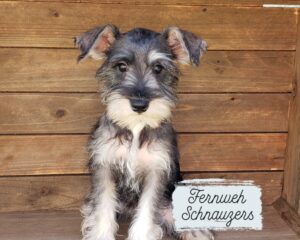
Credit: fernwehschnauzers.com
Frequently Asked Questions
Do Schnauzers Be Hypoallergenic?
Yes, Schnauzers are considered hypoallergenic. They shed minimally and produce less dander, making them suitable for allergy sufferers.
What Is The Downside Of Schnauzers?
Schnauzers can be stubborn and require consistent training. They may bark excessively and need regular grooming due to their thick coat.
Which Dog Is The Most Hypoallergenic?
Poodles are considered highly hypoallergenic due to their low-shedding coat. Bichon Frises and Portuguese Water Dogs are also good options.
Are Big Schnauzers Hypoallergenic?
Yes, Giant Schnauzers are considered hypoallergenic. They shed minimally, making them suitable for allergy sufferers. Regular grooming reduces allergens.
Conclusion
Schnauzers are a wonderful choice for those seeking hypoallergenic dogs. Their low-shedding coats and friendly nature make them great companions. Regular grooming helps keep allergens under control. They are loyal, intelligent, and full of energy. Perfect for families or active individuals.
Always research and meet the dog before adopting. Every pet has unique needs and personalities. With proper care, a Schnauzer can bring years of joy. Consider this breed for a loving, allergy-friendly addition to your home.