

Are you wondering if Pitbulls are a good choice for someone with allergies? Maybe you or a loved one sneeze, itch, or get watery eyes around dogs, but you’ve always been drawn to the loyal and loving nature of Pitbulls.
Are pitbulls hypoallergenic? It’s a common question that sparks curiosity—and for good reason. Choosing the right dog for your home isn’t just about personality; it’s about comfort and health, too. Before you make any decisions, you need clear answers. Can Pitbulls truly be hypoallergenic?
Or could they worsen allergy symptoms? We’ll break it all down for you in simple terms, cutting through the confusion. Stick around—you’ll get the facts you need to make an informed choice and discover whether a Pitbull could be the perfect fit for your family and lifestyle.
Pitbulls And Allergies
Are you wondering if Pitbulls are hypoallergenic? The truth is, no dog breed is completely free from allergens. While Pitbulls are affectionate, loyal, and make great companions, they can still trigger allergies in sensitive individuals. Understanding how Pitbulls and allergies interact can help you make an informed decision about living with one.
Pitbull Coats: Do They Shed?
Pitbulls have short, single-layer coats that shed moderately throughout the year. Despite their short fur, they still produce dander, which is a common allergen. Dander consists of tiny flakes of skin that can become airborne and cause allergic reactions in susceptible people. Regular shedding means allergens may spread around your home, potentially worsening symptoms for those with sensitivities.
Proteins In Saliva And Dander
Allergic reactions to dogs are often caused by proteins found in their saliva, dander, and urine. Pitbulls, like all dogs, produce these proteins. When they groom themselves, the saliva transfers to their fur and skin. Once the saliva dries, the proteins become airborne and may trigger allergies. Frequent cleaning and grooming can help minimize this exposure.
Common Allergy Symptoms
If you’re allergic to Pitbulls, you may experience symptoms such as:
- Itchy or watery eyes
- Runny nose or nasal congestion
- Sneezing
- Skin rashes or hives
- Difficulty breathing
These symptoms can range from mild to severe. People with asthma or other respiratory conditions may notice their symptoms worsening around dogs, including Pitbulls.
How To Manage Allergies Around Pitbulls
Living with a Pitbull doesn’t have to be impossible if you have allergies. Here are some strategies:
- Brush your Pitbull weekly to reduce shedding and dander buildup.
- Bathe your dog every few weeks using a gentle, hypoallergenic shampoo.
- Use air purifiers to remove allergens from the air in your home.
- Wash your hands after petting or handling your dog.
- Keep your dog off furniture and out of the bedroom to limit exposure.
These practices can significantly reduce allergen levels, making it easier to coexist with your furry friend.
Are Pitbulls A Good Choice For Allergy Sufferers?
Pitbulls may not be the best option for severe allergy sufferers due to their dander and protein production. No dog is completely hypoallergenic, but some breeds produce fewer allergens. If you love Pitbulls, consider spending time with one before adopting to see how your body reacts.
Comparing Allergens In Pitbulls And Other Breeds
| Breed | Coat Type | Allergen Levels |
|---|---|---|
| Pitbull | Short, single-layer | Moderate |
| Poodle | Curly, low-shedding | Low |
| German Shepherd | Double-layer, heavy shedding | High |
This table highlights how different breeds vary in shedding and allergen levels, helping you choose the right pet for your needs.

Credit: www.sparkpaws.com
Common Myths
Many people believe that certain dog breeds, like Pitbulls, are hypoallergenic. This misconception often leads to confusion and unrealistic expectations for allergy sufferers. Let’s uncover some of the common myths surrounding Pitbulls and allergies to help you understand the truth behind these claims.
Myth #1: All Short-haired Dogs Are Hypoallergenic
A common belief is that dogs with short coats, like Pitbulls, are less likely to trigger allergies. This is false. Allergies are not caused by the length of a dog’s hair. Instead, they are triggered by proteins found in a dog’s skin cells (dander), saliva, and urine. While short-haired dogs may shed less visible fur, they still produce dander, which can be a major allergen.
Myth #2: Pitbulls Shed Less, So They’re Allergy-friendly
Many assume that Pitbulls shed less than other breeds, making them a safer choice for allergy sufferers. Although Pitbulls do have short coats, they are moderate shedders. Their shedding can still spread dander throughout your home, potentially aggravating allergies. No breed is truly “shed-free” or “allergy-proof.”
Myth #3: Bathing Pitbulls Frequently Eliminates Allergens
Some believe that regular baths can remove allergens completely. While bathing your Pitbull can reduce dander temporarily, it doesn’t eliminate allergens entirely. Overbathing can also irritate their skin, causing more dander production. A balanced grooming routine is essential but will not make a Pitbull hypoallergenic.
Myth #4: Allergies Are Only Triggered By Dog Fur
Many people think that fur is the sole culprit behind pet allergies. The truth is, fur acts as a carrier for allergens like dander and saliva. These allergens can stick to furniture, carpets, and even clothing. Reducing fur alone won’t eliminate allergens in your home.
Myth #5: Hypoallergenic Dogs Don’t Exist
It’s often said that no dog is truly hypoallergenic. While this is mostly true, some breeds may produce fewer allergens. Pitbulls, unfortunately, are not among these breeds. Their dander and saliva still contain the proteins that trigger allergic reactions, making them unsuitable for those with severe allergies.
| Myth | Truth |
|---|---|
| Short-haired dogs are hypoallergenic | All dogs produce allergens, regardless of coat length. |
| Pitbulls shed less, so they’re safe | They shed moderately and still spread allergens. |
| Bathing removes all allergens | Bathing reduces allergens but doesn’t eliminate them entirely. |
| Allergies are caused by fur | Dander and saliva are the main triggers. |
| Hypoallergenic dogs exist | No dog is completely free of allergens. |
By understanding these myths, you can make better decisions about owning a Pitbull if allergies are a concern. Always consult with a veterinarian or allergy specialist to determine the best options for your situation.
What Are Hypoallergenic Dogs?
Are pitbulls hypoallergenic? Many people ask this question when considering adopting a dog. Allergies are a common concern, especially for those sensitive to pet dander or fur. To understand this better, it’s important to know what hypoallergenic dogs are. This term is widely used, but it doesn’t mean a dog is entirely allergy-free. Instead, hypoallergenic dogs are less likely to trigger allergic reactions due to their unique traits. Let’s explore this further.
What Does Hypoallergenic Mean?
The word “hypoallergenic” refers to something less likely to cause allergies. For dogs, this means they produce fewer allergens. Allergens can come from saliva, fur, or dander. People allergic to dogs often react to these substances. Hypoallergenic dogs shed less fur and dander, reducing allergens in the home.
It’s important to note that no dog is completely allergy-proof. Even hypoallergenic breeds may cause mild reactions in sensitive individuals. The level of reaction depends on the person and the dog.
Common Traits Of Hypoallergenic Dogs
Hypoallergenic dogs share specific traits that make them suitable for allergy sufferers. These include:
- Low shedding: Dogs that shed minimally release less fur and dander into the air.
- Single-layer coats: Many hypoallergenic breeds have single-layer coats, reducing allergens.
- Less oily skin: Dogs with less oily skin produce fewer allergens in their dander.
Breeds like Poodles and Bichon Frises are often considered hypoallergenic due to these traits.
Table: Hypoallergenic Dog Breeds
| Breed | Main Trait | |
|---|---|---|
| Poodle | Low shedding | High |
| Bichon Frise | Soft, curly coat | High |
| Maltese | Minimal shedding | Medium |
Are Pitbulls Hypoallergenic?
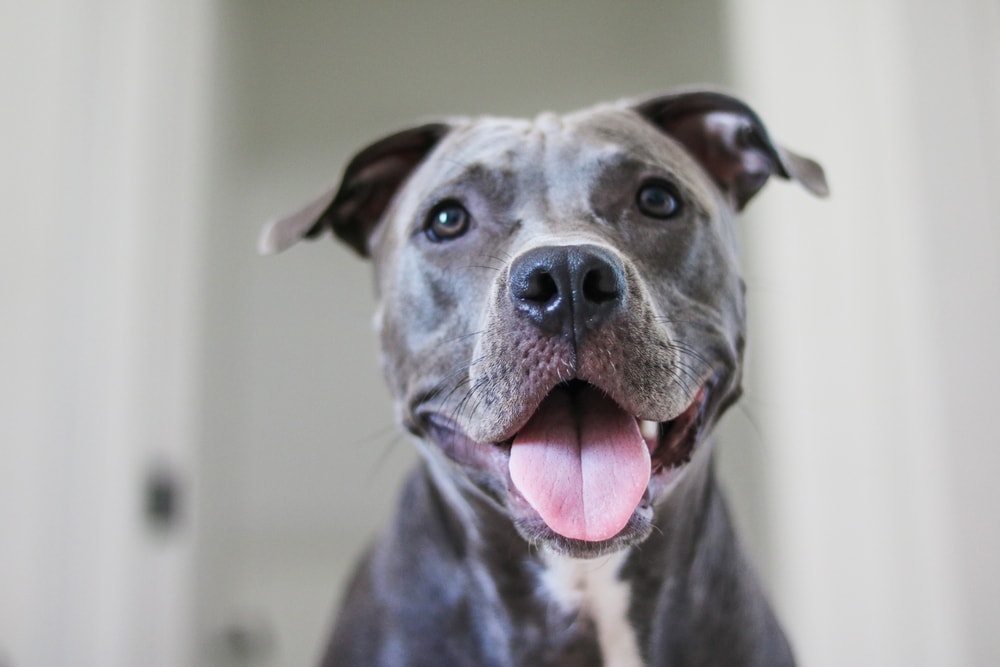
Pitbulls are not considered hypoallergenic. They have short fur but still shed regularly. Their skin can produce dander, a common allergen. This makes them unsuitable for people with severe allergies. While they may trigger fewer allergies than long-haired breeds, they are not ideal for sensitive individuals.
Pitbull Coat Characteristics
Pitbulls are known for their muscular build, loyal nature, and affectionate temperament. But are they hypoallergenic? Understanding their coat characteristics can help answer this question. While no dog is completely hypoallergenic, some breeds are less likely to trigger allergies. To determine if Pitbulls fit this category, it’s essential to explore their coat traits. Let’s take a closer look at their short hair and shedding patterns.
Short Hair
Pitbulls have a distinctive short coat that is smooth and shiny. This sleek coat gives them a clean and polished appearance. Unlike long-haired breeds, their short hair requires minimal grooming, making them low-maintenance in that aspect. Yet, their coat type plays a role in how they impact allergy sufferers.
Here are some key characteristics of their short hair:
- Texture: Their coat is fine and lies flat against the skin.
- Length: The hair is very short, typically less than an inch long.
- Density: Despite being short, their coat is dense and provides good coverage.
One of the main reasons people inquire about hypoallergenic breeds is because of dander. Dander, which consists of tiny skin flakes, is a common allergen. While Pitbulls’ short hair reduces the visible spread of fur, it doesn’t eliminate dander. Regular grooming, such as brushing once or twice a week, can help minimize loose hair and dander buildup.
To summarize, Pitbulls’ short hair may be appealing for those seeking a low-maintenance coat. But it does not guarantee fewer allergens. Consistent grooming can help reduce allergens in the home environment.
Shedding Patterns
Pitbulls are moderate shedders, which means they lose hair consistently throughout the year. Unlike breeds that shed seasonally, their shedding is steady but manageable. Understanding their shedding patterns can help allergy sufferers decide if this breed is a good fit.
Here’s an overview of their shedding habits:
- Year-Round Shedding: Pitbulls do not experience heavy seasonal sheds like double-coated breeds.
- Light Shedding: Their short coat sheds small amounts of hair daily.
- Noticeable During Grooming: Most loose hair is removed during brushing sessions.
To further illustrate, here is a table summarizing their shedding characteristics:
| Characteristic | Details |
|---|---|
| Frequency | Year-round |
| Amount | Moderate |
| Grooming Need | Weekly brushing |
Maintaining a clean home can also help control allergens. Using a vacuum designed for pet hair and washing their bedding regularly are effective strategies. While their shedding is manageable for many, those with severe allergies may still react to their dander.
Understanding their shedding patterns can make it easier to prepare for their care and manage allergens effectively.
Allergens In Dogs
Many people wonder if Pitbulls are hypoallergenic, especially those who suffer from allergies. To answer this question, it’s important to understand the main sources of allergens in dogs. Dogs produce allergens through their skin, saliva, and urine. These allergens can trigger reactions in sensitive individuals, regardless of the dog’s breed. Let’s explore these sources of allergens in detail to understand if Pitbulls might be a suitable pet for allergy sufferers.
Dander
Dander refers to tiny, often microscopic, flakes of skin that dogs shed. All dogs, including Pitbulls, produce dander. This is one of the most common allergens for people with dog-related allergies.
The amount of dander a dog produces can vary depending on factors like their grooming routine, diet, and health. Pitbulls have short coats, which may shed less visibly, but they still release dander into the environment. This dander can settle on furniture, carpets, and clothing, making it difficult to avoid.
- Dander is lightweight and can stay suspended in the air for long periods.
- It can be inhaled, triggering allergic reactions such as sneezing or itchy eyes.
- Regular cleaning and grooming can help reduce dander levels in your home.
For people with severe allergies, minimizing exposure to dander is key. Using air purifiers and vacuum cleaners with HEPA filters may help manage symptoms.
Saliva
Dog saliva contains proteins that can cause allergic reactions in some individuals. These proteins are transferred to the dog’s fur when they lick themselves and can spread throughout your home.
Pitbulls, like all dogs, produce saliva naturally. While they are not known to drool excessively compared to some breeds, their saliva can still trigger allergies. Here are a few ways saliva can affect allergy sufferers:
- Contact with saliva during play or petting can lead to skin irritation or hives.
- Saliva can dry on surfaces, leaving behind protein particles that become airborne.
- Licking behavior can spread allergens to furniture, bedding, and even your skin.
To manage saliva-related allergens, consider wiping your dog’s mouth after meals and playtime. Washing your hands after handling your dog can also reduce exposure.
Urine
Urine is another source of allergens in dogs. While it might not be the first thing that comes to mind, it can still contribute to allergic reactions. Proteins in dog urine can be particularly potent for some individuals.
Pitbulls, like other dogs, release allergens in their urine. These allergens can stick to surfaces where dogs urinate, such as grass, carpets, or floors. Over time, dried urine can release particles into the air, aggravating allergies. Key points about urine-related allergens include:
- Dried urine particles can become airborne and be inhaled.
- Urine on surfaces can transfer allergens to hands, clothing, or shoes.
- Improper cleaning of accidents indoors can leave behind allergenic residues.
To minimize exposure, clean up urine accidents promptly and thoroughly. Use enzymatic cleaners to break down proteins in the urine, reducing allergen levels.

Credit: www.linkedin.com
Comparing Breeds
Are Pitbulls hypoallergenic? This is a common question for dog lovers with allergies. Choosing the right breed is crucial for managing allergy symptoms. Some breeds are considered hypoallergenic due to their lower production of allergens. Comparing breeds helps in identifying which ones are suitable for allergy sufferers. Let’s explore hypoallergenic breeds and how Pitbulls stack up against other dogs.
Hypoallergenic Breeds
Hypoallergenic dog breeds produce fewer allergens, making them better for people with allergies. Allergens in dogs typically come from their skin, saliva, and dander. While no breed is completely allergy-free, some are better suited for sensitive individuals.
Here are some popular hypoallergenic breeds:
- Poodles: Their curly coat traps dander, reducing allergen spread.
- Bichon Frise: Known for minimal shedding and low dander production.
- Maltese: They have a single-layer coat, which sheds less and produces fewer allergens.
- Schnauzers: Their wiry coats hold dander, making them less irritating.
- Labradoodles: A mix of Labrador and Poodle, often bred for hypoallergenic traits.
These breeds are great choices for allergy sufferers. They shed less and require regular grooming to keep allergens under control.
Here’s a comparison table of hypoallergenic breeds and their characteristics:
| Breed | Coat Type | Shedding | Grooming Needs |
|---|---|---|---|
| Poodle | Curly | Low | High |
| Bichon Frise | Soft | Minimal | Moderate |
| Maltese | Silky | Low | High |
| Schnauzers | Wiry | Low | Moderate |
| Labradoodles | Curly/Wavy | Low | Moderate |
Hypoallergenic breeds often require consistent grooming to maintain their coat and manage allergens effectively.
Pitbulls Vs. Other Breeds
Pitbulls are not considered hypoallergenic. They have short coats and produce dander, which can trigger allergies. Comparing them to hypoallergenic breeds highlights key differences.
Here’s how Pitbulls differ:
- Shedding: Pitbulls shed moderately, unlike hypoallergenic breeds that shed minimally.
- Coat Type: Their short coat doesn’t trap dander, increasing allergen exposure.
- Grooming Needs: Pitbulls require less grooming, but regular baths help manage allergens.
Below is a table comparing Pitbulls and hypoallergenic breeds:
| Characteristic | Pitbulls | Hypoallergenic Breeds |
|---|---|---|
| Shedding | Moderate | Low |
| Coat Type | Short | Curly/Silky/Wiry |
| Grooming Needs | Low | Moderate to High |
| Allergen Production | High | Low |
Pitbulls are loving and loyal companions but may not be ideal for those with allergies. Regular grooming and cleaning can reduce allergens, but they remain less allergy-friendly than hypoallergenic breeds.
Managing Allergies
Are Pitbulls hypoallergenic? The short answer is no. Like most dogs, Pitbulls shed dander, a common allergen. This can trigger reactions in sensitive individuals. But with proper care, managing allergies caused by a Pitbull is possible. Creating a clean, allergen-free environment can make living with a Pitbull more comfortable for allergy sufferers. Let’s explore practical ways to reduce allergens in your home.
Cleaning Tips
Keeping your home clean is crucial for managing pet-related allergies. Dander and hair tend to accumulate on surfaces and in hidden corners. Regular cleaning can significantly reduce allergen levels.
- Vacuum frequently: Use a vacuum cleaner with a HEPA filter to trap tiny dander particles. Vacuum carpets, rugs, and furniture at least twice a week.
- Mop floors: Hard floors can collect dander. Use a damp mop to clean floors regularly.
- Wash bedding: Wash your Pitbull’s bedding weekly in hot water to kill allergens. Use hypoallergenic detergent for added protection.
- Clean furniture: Wipe down leather or vinyl furniture with a damp cloth. For fabric furniture, consider using washable covers.
Here’s a quick reference table for cleaning tasks:
| Task | Frequency |
|---|---|
| Vacuuming | Twice a week |
| Mopping floors | Weekly |
| Washing pet bedding | Weekly |
| Wiping furniture | Weekly |
Air Purifiers
Air purifiers are an excellent investment for allergy sufferers. They help remove allergens, including pet dander, from the air, making breathing easier.
Consider these tips for choosing and using an air purifier effectively:
- Choose a HEPA filter purifier: HEPA filters capture up to 99.97% of airborne particles, including allergens.
- Select the right size: Ensure the purifier matches the room size for optimal efficiency. Check the square footage it covers before purchasing.
- Place strategically: Position the purifier in areas where your Pitbull spends most of its time, such as the living room or bedroom.
- Run consistently: Keep the air purifier running throughout the day for maximum allergen reduction.
Using an air purifier in combination with other allergy management strategies can significantly improve indoor air quality.
Grooming Advice
Regular grooming can help reduce the amount of dander your Pitbull sheds. This lowers the allergens in your home and helps keep your pet healthy.
Follow these grooming tips:
- Brush frequently: Use a soft-bristle brush to remove loose fur and dander. Aim to brush your Pitbull at least twice a week.
- Give baths: Bathe your Pitbull every 4-6 weeks with a gentle, hypoallergenic dog shampoo. Overbathing can dry out their skin, increasing dander production.
- Wipe down your dog: Use pet-safe grooming wipes to clean your Pitbull’s coat between baths. This helps remove allergens from their fur.
- Trim nails: Keep your Pitbull’s nails trimmed to avoid scratches, which can irritate sensitive skin.
Here’s a quick grooming checklist for reference:
| Grooming Task | Frequency |
|---|---|
| Brushing | Twice a week |
| Bathing | Every 4-6 weeks |
| Wiping down coat | Weekly or as needed |
| Nail trimming | Monthly |
By combining regular grooming with cleaning and air purification, you can minimize allergens and enjoy your time with your Pitbull.
Personal Experiences
Are Pitbulls hypoallergenic? This question often arises among dog enthusiasts, especially those with allergies. While no dog breed is completely hypoallergenic, some breeds are considered less likely to trigger allergic reactions. Personal experiences shared by pet owners offer valuable insights into how Pitbulls affect individuals with sensitivities. Below, we explore real-life stories and observations about living with Pitbulls and allergies.
Personal Accounts From Allergy-prone Owners
Many allergy sufferers have shared mixed experiences about owning Pitbulls. Some report mild reactions, while others experience no symptoms at all. Pitbulls have short coats, which shed minimally compared to some other breeds. This has led some owners to believe they are more tolerable for allergy-prone individuals.
One owner shared, “I have mild pet allergies, but my Pitbull doesn’t trigger severe symptoms.” Another noted that regular grooming and cleaning their dog’s bedding significantly reduced allergens in their home. These personal accounts highlight the importance of environmental factors and proper care.
The Role Of Grooming In Allergy Management
Consistent grooming plays a significant role in managing allergens. Owners often emphasize the need to bathe Pitbulls regularly to remove dander, a common allergen. Brushing their coat helps reduce shedding and keeps allergens under control.
Here’s a quick grooming routine shared by a Pitbull owner with allergies:
- Weekly brushing with a soft-bristle brush
- Bathing every 2-4 weeks using a hypoallergenic dog shampoo
- Cleaning paws and fur after outdoor walks
These steps don’t just help with allergies—they also keep the dog’s coat healthy and shiny.
Living With Pitbulls In Allergy-friendly Homes
Some individuals create allergy-friendly environments to coexist with their Pitbulls. Regular cleaning and investing in air purifiers are common strategies. An owner once mentioned, “Vacuuming daily and using an air purifier made a big difference.”
Below is a table summarizing tips for maintaining an allergy-friendly home:
| Tip | Benefits |
|---|---|
| Use HEPA filters | Traps pet dander and airborne allergens |
| Wash dog bedding weekly | Reduces allergen build-up |
| Limit dog access to bedrooms | Creates an allergy-free zone |
These small adjustments can make a significant difference for allergy sufferers living with Pitbulls.
Observations From Families With Children
Parents with children who have allergies often share their experiences living with Pitbulls. Some report that their kids adapt well with minimal symptoms. One parent shared, “We were cautious, but my child’s allergies didn’t worsen with our Pitbull.”
They attributed this to teaching their child proper hygiene, like washing hands after playing with the dog. This highlights the importance of instilling good habits in allergy-prone households.
Credit: www.dogster.com
Frequently Asked Questions
Are Pitbulls Ok For People With Allergies?
Pitbulls are not hypoallergenic and may trigger allergies due to their dander, saliva, and shedding. Regular grooming and cleaning can help.
Which Dog Is The Most Hypoallergenic?
The Poodle is considered one of the most hypoallergenic dog breeds. Their curly coat minimizes shedding and dander.
Are Pitbulls Sensitive Dogs?
Yes, Pitbulls are sensitive dogs. They form strong bonds with their owners and respond deeply to emotions and training.
What Is The Calmest Hypoallergenic Dog?
The calmest hypoallergenic dog is the Bichon Frise. They are gentle, friendly, and ideal for allergy sufferers.
Conclusion
Pitbulls are not hypoallergenic, but they can still be loving pets. Their short coats may shed less, but dander can still cause allergies. Regular grooming and cleaning can help reduce allergens in your home. Always spend time with a dog before adopting to check for reactions.
Consult an allergist for personalized advice if you’re unsure. Owning a Pitbull requires commitment and care, regardless of allergies. Every dog deserves a loving and informed owner. Make decisions based on your health and the dog’s needs. With proper planning, you can enjoy a happy life with your furry friend.