

Are you considering bringing a Newfoundland into your life but worried about allergies? You’re not alone.
Are newfoundlands hypoallergenic? Many people adore these gentle giants but wonder if their thick coats and drooling habits make them a no-go for allergy sufferers. After all, no one wants to fall in love with a dog only to discover they trigger constant sneezing, itchy eyes, or worse.
We’re going to tackle the burning question: “Are Newfoundlands hypoallergenic? ” Whether you or a loved one struggles with pet allergies, understanding the truth about these lovable dogs can save you a lot of heartache. Stick around—you’ll not only get a clear answer but also tips to help manage allergies if you can’t resist the charm of a Newfoundland. Let’s get to the bottom of it!
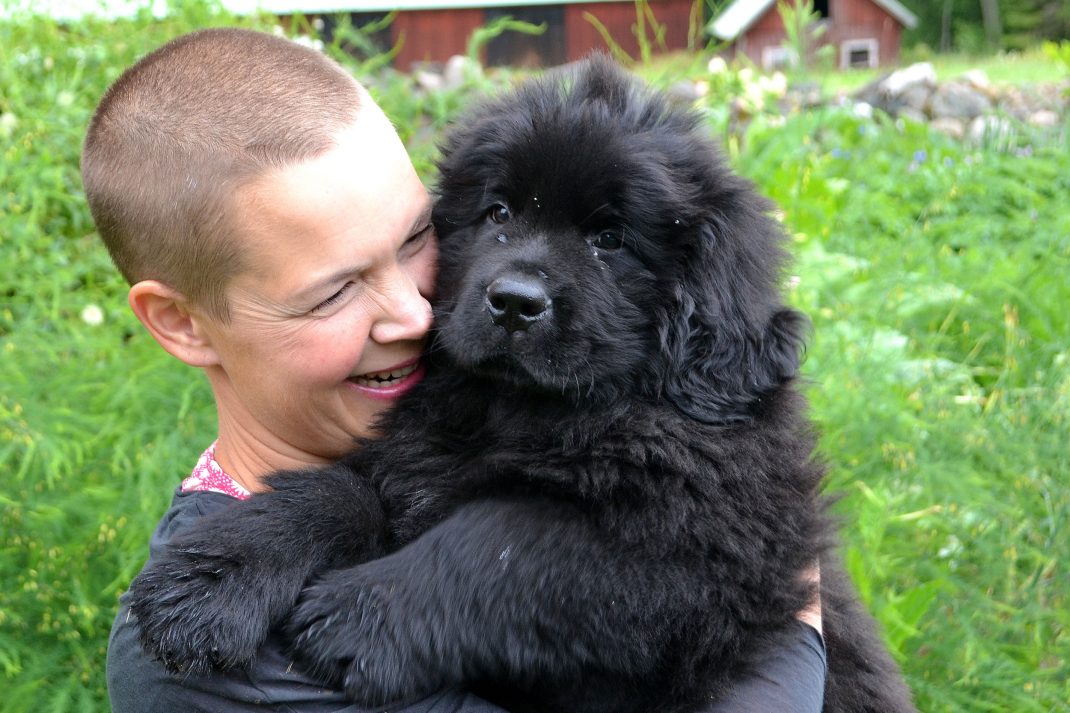
Credit: www.sellercircle.co.uk
Hypoallergenic Dogs Explained
Newfoundlands are known for their gentle temperament, large size, and thick fur coats. But are they a good choice for allergy sufferers? Many people search for “hypoallergenic dogs” to find breeds that may be more compatible with their allergies. To understand if Newfoundlands fall into this category, it’s essential to learn what being hypoallergenic means for a dog breed.
What Does Hypoallergenic Mean?
The term “hypoallergenic” refers to something less likely to cause an allergic reaction. For dogs, it doesn’t mean they are completely allergy-free. Instead, hypoallergenic dogs produce fewer allergens like dander, saliva, or urine proteins that commonly trigger allergies in humans.
Some dog breeds are labeled hypoallergenic because they shed less or have a coat type that traps dander. This reduces the spread of allergens in the home. While no dog is 100% hypoallergenic, certain breeds are considered more suitable for people with mild allergies.
Why Do Dogs Trigger Allergies?
Allergies to dogs are usually caused by proteins found in their dander, saliva, or urine. These proteins attach to fur and skin flakes, which then spread throughout the environment. When these allergens are inhaled or come into contact with sensitive individuals, they may trigger symptoms like sneezing, itchy eyes, or difficulty breathing.
Dogs that shed heavily or drool a lot tend to distribute more allergens. For this reason, low-shedding breeds are often recommended for allergy sufferers.
Common Traits Of Hypoallergenic Dogs
| Trait | Description |
|---|---|
| Low-Shedding Coat | These breeds shed less, reducing airborne allergens. |
| Tight Curls or Hair | Dogs with curly coats trap dander, preventing it from spreading. |
| Smaller Size | Smaller dogs produce fewer allergens due to their size. |
| Minimal Drooling | Dogs that drool less spread fewer saliva-based allergens. |
Are Hypoallergenic Dogs Allergy-proof?
While hypoallergenic dogs can be better for allergy-prone individuals, they are not entirely allergy-proof. Allergic reactions depend on a person’s sensitivity to specific proteins. Regular grooming, cleaning, and air filtration can help reduce allergens, making it easier to live with any dog breed.
Understanding these factors is key to determining if a Newfoundland, or any other breed, is suitable for your home.
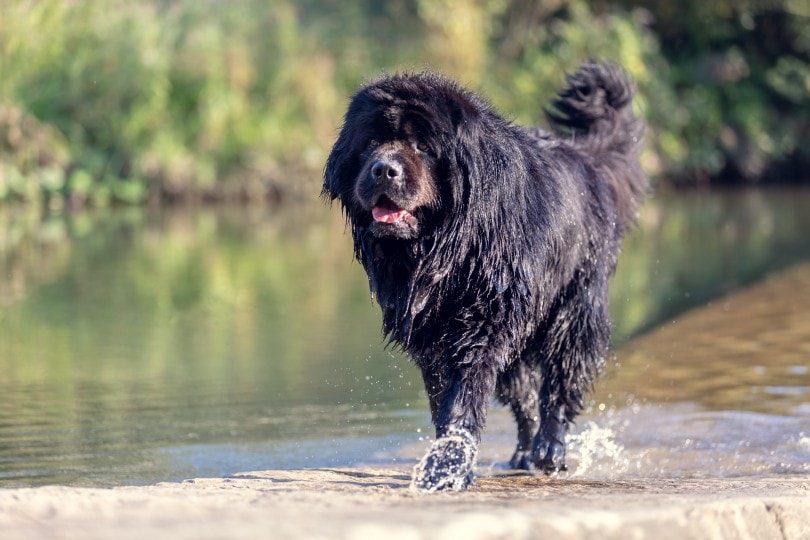
Credit: www.dogster.com
Newfoundlands’ Coat Characteristics
Newfoundlands are known for their loving nature and impressive size, but their coat often raises questions among prospective owners. One common concern is whether Newfoundlands are hypoallergenic. To answer this, it’s essential to understand their coat characteristics. Their coat plays a significant role in how they shed and interact with allergens, making it a key factor for allergy sufferers to consider.
Newfoundland Coat Layers
Newfoundlands have a double coat, which consists of two distinct layers. The outer layer is water-resistant and coarse, protecting them from harsh weather. The undercoat is soft and dense, providing warmth and insulation. This unique combination helps them thrive in cold environments but also contributes to their shedding patterns.
Shedding Frequency
Newfoundlands are heavy shedders, especially during seasonal changes. Twice a year, they go through a process called “blowing their coat,” where they lose a significant amount of fur. This shedding can be problematic for individuals who are sensitive to pet dander, which is a common allergen.
Hair Vs. Dander
While many people associate allergies with pet hair, the real culprit is often dander. Newfoundlands produce a moderate amount of dander due to their large size and thick coat. Regular grooming can help reduce dander levels, but it won’t eliminate them entirely.
Coat Maintenance
Maintaining a Newfoundland’s coat requires consistent effort. Brushing their fur several times a week helps reduce shedding and dander. Bathing them every 6-8 weeks also keeps their coat clean and free of allergens. High-quality grooming tools, such as a slicker brush and undercoat rake, are essential for proper care.
Waterproof Properties
Newfoundlands’ coats are naturally water-resistant, which makes them excellent swimmers. This feature is due to the oily texture of their outer coat. While this is beneficial for water activities, it may require extra cleaning to prevent buildup of dirt and allergens.
Table: Key Characteristics Of Newfoundland Coats
| Feature | Description |
|---|---|
| Coat Type | Double coat with a coarse outer layer and dense undercoat |
| Shedding | Heavy, especially during seasonal changes |
| Maintenance | Frequent brushing and occasional bathing |
| Waterproof | Yes, due to natural oils in the outer coat |
Allergens And Dog Breeds
Many dog lovers want to share their lives with furry friends, but allergies can make this challenging. Dog allergies are triggered by proteins found in saliva, dander, and urine. Some breeds produce fewer allergens, earning them the label “hypoallergenic.” But is the Newfoundland one of these breeds? Understanding how allergens vary among dog breeds can help you make an informed choice.
Common Allergens In Dogs
Dog allergens are caused by specific proteins found in their bodies. These proteins are present in various forms, including:
- Saliva: Dogs lick their fur, leaving saliva behind. This dries and forms allergenic particles.
- Dander: Dead skin flakes shed by dogs can irritate sensitive individuals.
- Urine: Proteins in urine can linger in areas where a dog relieves itself.
Many believe fur length or shedding causes allergies, but that’s not entirely accurate. A dog with short fur can still produce plenty of allergens through saliva and dander. Allergies depend more on how much protein a breed produces.
Here’s a simple table showing how common allergens affect sensitive individuals:
| Source of Allergen | Impact on Allergies |
|---|---|
| Saliva | Can cause skin irritation or breathing issues |
| Dander | Triggers sneezing and itchy eyes |
| Urine | May worsen symptoms for sensitive individuals |
Understanding these sources can help allergy sufferers limit exposure. Choosing the right breed is key.
How Newfoundlands Compare
Newfoundlands are large, gentle dogs known for their dense coats. Their thick fur helps them adapt to cold climates, but it sheds heavily. Heavy shedding means more dander in the environment, which can trigger allergies.
Here are some factors about Newfoundlands:
- Coat Type: Double-layered and sheds seasonally.
- Size: Larger dogs produce more allergens due to their body mass.
- Saliva Production: Newfoundlands drool frequently, increasing saliva allergens.
While they are lovable companions, they are not considered hypoallergenic. Their size and drooling habits make them less suitable for allergy-prone individuals.
For comparison, breeds like Poodles or Bichon Frises are more manageable for allergy sufferers. They have curly coats that trap dander and produce less saliva.
If you adore Newfoundlands, proper grooming and cleaning can help reduce allergens. Regular brushing and vacuuming can minimize dander in the home. Still, this breed may not be the best choice for those with severe allergies.
Factors Affecting Allergies
Newfoundlands are known for their gentle nature and fluffy coats, but many wonder whether they are hypoallergenic. The short answer is no—Newfoundlands are not hypoallergenic. However, allergies can vary from person to person. Understanding the factors affecting allergies can help you make an informed decision about living with a Newfoundland. From individual sensitivities to environmental conditions, several elements play a role in how allergic reactions manifest.
Individual Reactions
Allergies are highly personal and depend on how a person’s immune system reacts to specific allergens. While some people are sensitive to dog hair, others may react to dander, saliva, or urine. Newfoundlands, with their thick double coat, naturally shed fur and produce dander, which can be a trigger for allergic reactions.
Here are some key points about individual reactions to Newfoundlands:
- Dander Sensitivity: Dander, or tiny skin flakes, is a common allergen. Newfoundlands shed dander regularly.
- Saliva Allergies: Newfoundlands drool more than many other breeds, which can expose allergic individuals to proteins found in saliva.
- Immune System Variance: Some people may not react strongly to Newfoundlands, while others could experience severe symptoms.
To better understand individual reactions, allergy testing is recommended. This helps identify specific triggers and assess whether living with a Newfoundland is manageable for you.
Below is a table summarizing potential Newfoundland allergens:
| Source | Allergen Type | Impact |
|---|---|---|
| Fur | Hair and Dander | Causes sneezing, itchy eyes, and skin irritation |
| Saliva | Proteins | May cause hives or respiratory issues |
| Urine | Proteins | Possible skin or respiratory reactions |
Living Environment
The environment where a Newfoundland lives can influence allergy symptoms significantly. Proper management of the living space can help reduce allergens and create a more comfortable home for both the dog and its owner.
Here are some tips for minimizing allergens in your living environment:
- Frequent Grooming: Regular brushing reduces shedding and dander. Use a slicker brush or deshedding tool designed for thick coats.
- Bathing Schedule: Bathing your Newfoundland once a month with hypoallergenic shampoo helps wash away allergens.
- Air Purification: Invest in air purifiers with HEPA filters to trap airborne dander and hair.
- Vacuuming: Use a vacuum cleaner with a HEPA filter to remove fur and dander from carpets and furniture.
- Dog-Free Zones: Create allergy-free spaces, such as bedrooms, to limit exposure.
Environmental factors also include humidity and cleanliness. High humidity can increase mold and dust mites, which exacerbate allergies. Keeping the home clean and ventilated makes a big difference in managing symptoms.
The table below outlines common strategies to reduce allergens:
| Strategy | Action | Benefit |
|---|---|---|
| Grooming | Brush and bathe regularly | Reduces shedding and dander |
| Air Purifiers | Use HEPA filters | Removes airborne allergens |
| Cleaning | Vacuum and dust often | Minimizes allergen buildup |
| Dog-Free Zones | Restrict access to certain rooms | Limits exposure |
By addressing these environmental factors, you can create a more allergy-friendly space while enjoying the companionship of a Newfoundland.
Care Tips For Allergy Sufferers
Newfoundlands are known for their gentle temperament and impressive size, but they are not considered hypoallergenic. Their thick, double-layered coat sheds heavily and produces dander, which can trigger allergies. For allergy sufferers who love this breed, managing exposure to allergens is key. Proper care and cleanliness can make living with a Newfoundland more comfortable. Below are essential tips to help allergy sufferers coexist with these lovable giants.
Grooming Practices
Regular grooming is crucial for managing allergens in Newfoundlands. Their dense coat requires consistent care to reduce dander and shedding. Here are some effective grooming tips:
- Brush Frequently: Use a de-shedding brush or undercoat rake at least 2–3 times a week to remove loose fur and dander.
- Bathe Occasionally: Bathe your Newfoundland every 4–6 weeks with a hypoallergenic dog shampoo to minimize allergens on their coat.
- Clean Paws and Face: Wipe their paws and face daily with pet-safe wipes. This prevents allergens from spreading around your home.
- Trim Excess Fur: Trim around high-shedding areas like their belly, legs, and tail to reduce fur accumulation.
A professional groomer can also assist with deep cleaning and trimming. Make sure to choose a groomer familiar with Newfoundlands for the best results.
| Grooming Task | Frequency | Tools Needed |
|---|---|---|
| Brushing | 2–3 times a week | De-shedding brush, undercoat rake |
| Bathing | Every 4–6 weeks | Hypoallergenic shampoo, towel |
| Cleaning Paws/Face | Daily | Pet-safe wipes |
Consistent grooming not only reduces allergens but also keeps your dog healthy and comfortable.
Home Cleaning Strategies
Keeping your home allergen-free is just as important as grooming your Newfoundland. Allergens from dander, fur, and saliva can easily spread across your living space. Use these strategies to maintain a clean environment:
- Vacuum Regularly: Use a vacuum cleaner with a HEPA filter to trap pet dander and hair. Vacuum carpets, rugs, and furniture at least twice a week.
- Wash Fabrics: Wash your dog’s bedding, your furniture covers, and curtains weekly in hot water to remove allergens.
- Use an Air Purifier: Place HEPA air purifiers in rooms where your dog spends the most time. They help filter airborne allergens.
- Mop Floors: Mop hard floors with a damp mop every few days to pick up fur and dander.
- Limit Dog Access: Keep your Newfoundland out of bedrooms or other areas where you need an allergen-free zone.
Here’s a quick checklist for home cleaning:
| Cleaning Task | Frequency | Tools Needed |
|---|---|---|
| Vacuuming | 2–3 times a week | HEPA vacuum cleaner |
| Washing Fabrics | Weekly | Washing machine, hot water |
| Mopping Floors | Every 2–3 days | Damp mop |
| Using Air Purifier | Daily | HEPA air purifier |
By combining these cleaning strategies with regular grooming, you can significantly reduce allergen exposure in your home.
Alternatives To Newfoundlands
Newfoundlands are known for their gentle nature and loyalty, but they aren’t hypoallergenic. For individuals with allergies, this can pose a challenge. While Newfoundlands are lovable giants, those sensitive to pet dander or fur may need to consider alternative breeds. Luckily, several low-allergen breeds can offer companionship without triggering allergies. Choosing the right dog involves understanding your needs and matching them with the breed’s characteristics.
Low-allergen Breeds
Some dog breeds are better suited for people with allergies. These breeds produce less dander or shed minimally, reducing allergen exposure. Here are a few popular low-allergen breeds:
- Poodle: Available in standard, miniature, and toy sizes, Poodles have curly coats that trap dander.
- Bichon Frise: Their soft, fluffy coats do not shed much and require regular grooming.
- Schnauzer: These dogs have wiry coats that shed minimally, making them allergy-friendly.
- Maltese: Their long, silky fur is hypoallergenic and doesn’t shed heavily.
- Portuguese Water Dog: Known for their thick, waterproof coats, they are a great choice for allergy sufferers.
Below is a table summarizing these breeds:
| Breed | Size | Coat Type | Allergy-Friendly Features |
|---|---|---|---|
| Poodle | Various (Toy, Miniature, Standard) | Curly | Traps dander and sheds minimally |
| Bichon Frise | Small | Soft, fluffy | Low shedding |
| Schnauzer | Various (Miniature, Standard, Giant) | Wiry | Minimal shedding |
| Maltese | Small | Silky, long | Low shedding |
| Portuguese Water Dog | Medium | Thick, waterproof | Hypoallergenic coat |
These breeds are perfect for individuals who want a furry friend without the allergy concerns.
Choosing The Right Dog
Selecting a dog is a personal decision that depends on your lifestyle, allergies, and preferences. Here are some tips to help you choose the right breed:
- Consider Coat Type: Dogs with curly or non-shedding coats are ideal for allergy sufferers.
- Evaluate Size: Smaller dogs may produce fewer allergens due to less fur and dander.
- Research Temperament: Look for breeds that match your energy level and personality.
- Meet the Dog: Spend time with the breed to see if you react to them.
- Consult a Veterinarian: Get advice on allergy-friendly breeds and proper care.
Below are questions to ask yourself before choosing a dog:
- Do I have time for regular grooming?
- How much space do I have for a dog?
- Am I comfortable with high-energy breeds?
- Do I want a small or large dog?
By understanding your needs and exploring low-allergen breeds, you can find a dog that fits your lifestyle while minimizing allergy risks.

Credit: www.benimellalkhenifra.ma
Frequently Asked Questions
What Is The Most Hypoallergenic Dog?
The Poodle and its mixes, like Labradoodles, are among the most hypoallergenic dogs. They shed less and produce minimal allergens.
Do Newfoundland Dogs Shed A Lot?
Yes, Newfoundland dogs shed a lot, especially during seasonal changes. Regular brushing helps manage their thick, double coat effectively.
Are Newfies High Maintenance?
Newfoundlands are considered high maintenance due to their grooming needs, large size, and exercise requirements. They shed heavily and need regular care.
Are Newfoundland Dogs Cuddly?
Yes, Newfoundland dogs are incredibly cuddly. They are affectionate, gentle, and love bonding with their families through close physical contact.
Conclusion
Newfoundlands are not hypoallergenic, but they can still be wonderful pets. Their thick coat sheds and produces dander, which may trigger allergies. Regular grooming and cleaning help reduce allergens in your home. Always spend time with a Newfoundland before deciding to adopt.
This will help you assess your allergy response. Remember, every person’s sensitivity to allergens is different. Choosing a pet should align with your health needs and lifestyle. Consult an allergist if you’re unsure about managing pet-related allergies. Newfoundlands offer love and loyalty, but they may not suit everyone.
Prioritize your well-being when considering this gentle giant as a companion.