

**Are Mini Goldendoodles Hypoallergenic? Here’s What You Need to Know**
You’ve been dreaming of adding an adorable Mini Goldendoodle to your family.
Their fluffy coats, playful energy, and loving nature make them hard to resist. But if you or someone in your household has allergies, one big question might be holding you back: Are Mini Goldendoodles hypoallergenic? You’re not alone in wondering.
With allergies being such a common concern, it’s crucial to know if this breed is the right fit for you. After all, the last thing you want is to fall in love with your new furry friend only to discover they trigger sneezing fits or itchy eyes. We’ll uncover the truth about Mini Goldendoodles and their hypoallergenic reputation. We’ll break down what “hypoallergenic” actually means, how their coat type plays a role, and what you can do to minimize allergens in your home. Stick around—by the end, you’ll have the clarity you need to make the best decision for your family. Ready to find out if this lovable pup can truly be your allergy-friendly companion? Let’s dive in!
Credit: goldendoodles.net
Mini Goldendoodle Traits
Mini Goldendoodles are a popular choice for families and individuals alike. They are known for their friendly personalities and adorable looks. A common question about these dogs is whether they are hypoallergenic. To answer this, understanding their unique traits is essential. Mini Goldendoodles inherit characteristics from both Golden Retrievers and Poodles, giving them a blend of qualities that many people find appealing.
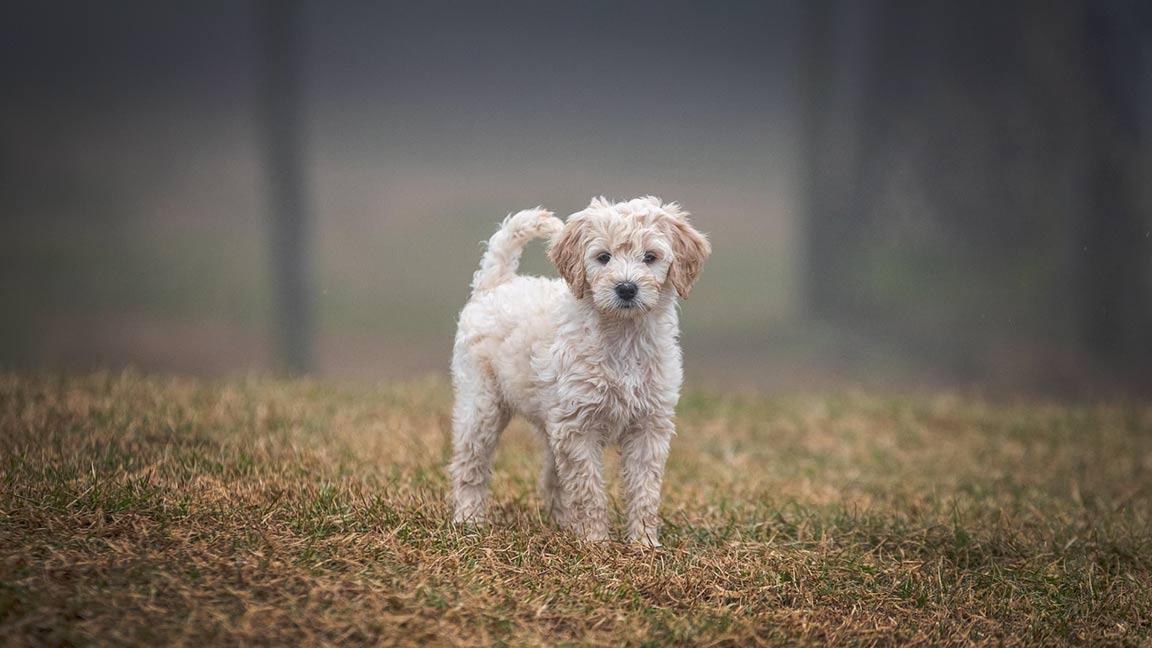
Their coats are one of the most noticeable traits. Mini Goldendoodles typically have one of three coat types: curly, wavy, or straight. Each type has a different level of shedding:
- Curly Coats: Resemble a Poodle’s coat. They shed the least and are often more allergy-friendly.
- Wavy Coats: A mix between a Golden Retriever and Poodle coat. They shed minimally.
- Straight Coats: Look similar to a Golden Retriever’s coat. These shed the most.
Regular grooming can help manage shedding and keep allergens low.
Size And Build
Mini Goldendoodles are smaller than standard Goldendoodles, making them ideal for apartments or smaller homes. Their weight typically ranges between 15 and 35 pounds, and their height averages between 13 and 20 inches. This compact size makes them easy to handle and travel with.
Temperament And Personality
Mini Goldendoodles are known for their friendly and affectionate nature. They thrive on human interaction and enjoy being part of family activities. Their playful and energetic demeanor makes them great companions for children and active adults.
They are also intelligent and eager to please. This makes training easier, especially with positive reinforcement techniques.
Energy Levels And Exercise Needs
These dogs are moderately active and require regular exercise. A daily walk or play session is usually enough to keep them happy. Without sufficient activity, they may develop unwanted behaviors due to boredom.
Interactive toys and games can help stimulate their minds and keep them engaged.
Health And Lifespan
Mini Goldendoodles are generally healthy dogs with a lifespan of 10 to 15 years. Proper care, a balanced diet, and regular vet check-ups are essential for maintaining their health.
| Trait | Details |
|---|---|
| Weight | 15-35 pounds |
| Height | 13-20 inches |
| Coat Types | Curly, Wavy, Straight |
| Lifespan | 10-15 years |
| Exercise Needs | Moderate (daily walks and play) |
Understanding these traits can help determine if a Mini Goldendoodle is right for your lifestyle.
Hypoallergenic Dog Breeds
Many dog lovers dream of having a furry companion but worry about allergies. This is where hypoallergenic dog breeds come into the picture. These breeds are known to produce fewer allergens, making them a possible option for allergy-sensitive owners. Among these breeds, Mini Goldendoodles often spark curiosity. Are they truly hypoallergenic? Let’s explore hypoallergenic breeds and where Mini Goldendoodles fit in.
What Does Hypoallergenic Mean?
Hypoallergenic doesn’t mean a dog is completely allergy-free. It refers to breeds that produce fewer allergens. Allergies are often triggered by proteins found in dog dander, saliva, or urine. Dogs that shed less or have hair-like coats may spread fewer allergens in the home.
Popular Hypoallergenic Dog Breeds
Some breeds are widely recognized for being hypoallergenic. These dogs are often recommended for allergy sufferers due to their coat type or minimal shedding. Below is a table showcasing popular hypoallergenic breeds:
| Breed | Coat Type | Shedding Level |
|---|---|---|
| Poodle | Curly, dense coat | Minimal |
| Bichon Frise | Soft, fluffy coat | Minimal |
| Maltese | Long, silky coat | Minimal |
| Schnauzer | Coarse, wiry coat | Minimal |
Are Mini Goldendoodles Hypoallergenic?
Mini Goldendoodles are a cross between a Golden Retriever and a Miniature Poodle. Thanks to their Poodle lineage, they often inherit a low-shedding coat. This can make them a good option for people with mild allergies. However, not all Mini Goldendoodles are the same. Their hypoallergenic traits depend on their coat type:
- Curly coats: These are the most Poodle-like and shed the least, making them more allergy-friendly.
- Wavy coats: These shed slightly more but still spread fewer allergens than most breeds.
- Straight coats: These resemble Golden Retrievers and may not be hypoallergenic at all.
For those seeking a hypoallergenic Mini Goldendoodle, choosing a curly or wavy-coated dog is ideal. Regular grooming and cleaning can also help reduce allergens in your home.
Tips For Managing Allergies With Dogs
If you’re allergic but still want a dog, there are steps you can take to manage allergens:
- Bathe your dog regularly to remove dander and allergens from their coat.
- Brush their coat frequently to reduce loose fur and shedding.
- Use air purifiers to filter allergens from your home.
- Designate dog-free areas, such as bedrooms, to reduce exposure.
Following these tips can make living with a dog easier for allergy sufferers.
Mini Goldendoodle Coat Types
Mini Goldendoodles are loved for their friendly nature and adorable appearance. Their coat type plays a key role in determining their hypoallergenic qualities. Mini Goldendoodle coats come in three main types: wavy, curly, and straight. Each coat type has unique traits that affect shedding, grooming needs, and allergen levels. Understanding these coat types can help you choose the right Mini Goldendoodle for your lifestyle.
Wavy Coat
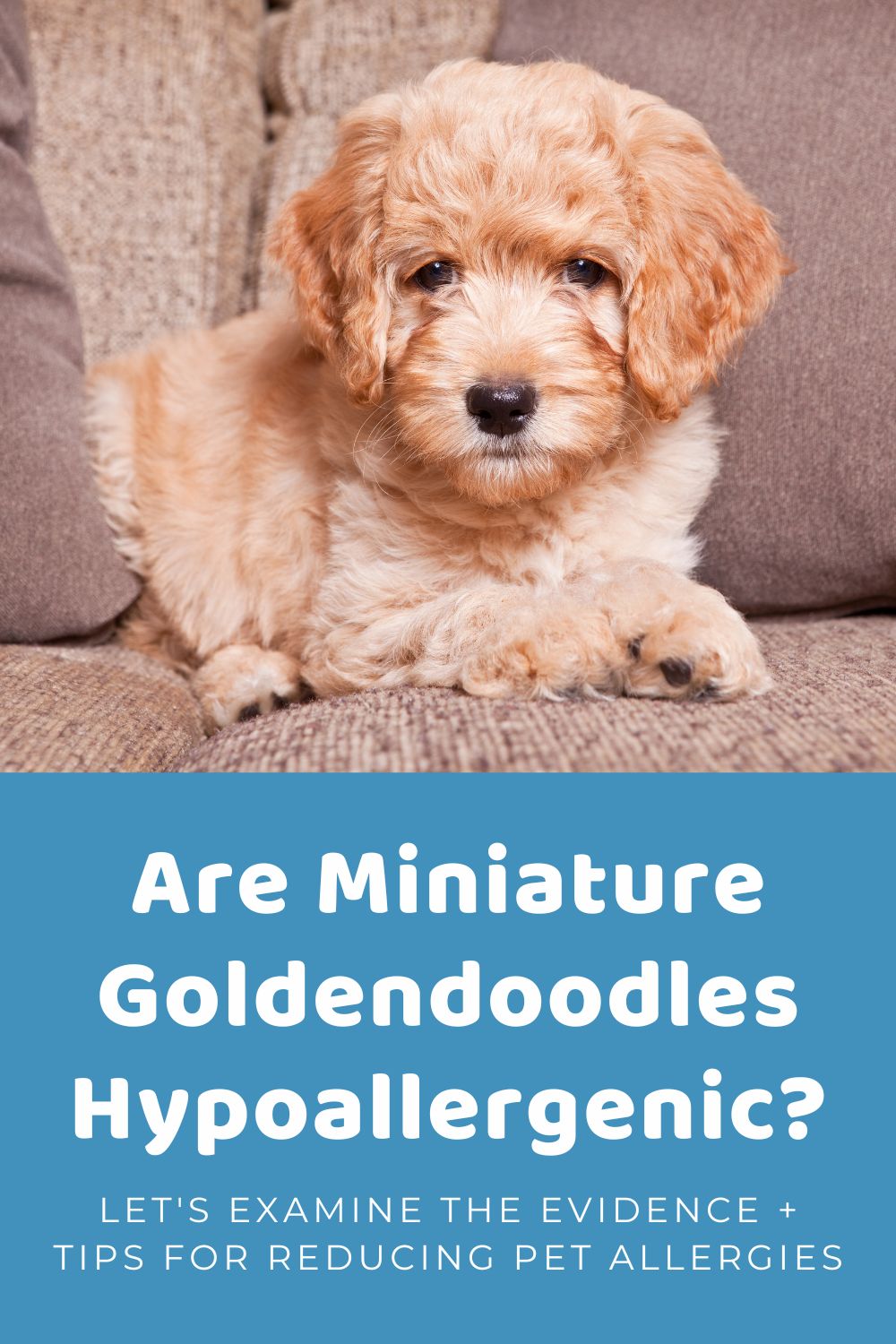
The wavy coat is the most common coat type found in Mini Goldendoodles. It is often described as a perfect blend of the Golden Retriever’s smooth fur and the Poodle’s curly texture. Dogs with wavy coats tend to shed less compared to straight-coated Goldendoodles, making them a popular choice for individuals with mild allergies.
Here are key features of the wavy coat:
- Texture: Soft and loose waves, giving the coat a fluffy appearance.
- Shedding: Minimal shedding compared to straight-coated Goldendoodles.
- Maintenance: Requires regular brushing to avoid tangles and matting.
To maintain a wavy coat:
- Brush your Mini Goldendoodle 3–4 times a week.
- Use a slicker brush to remove loose hair and prevent knots.
- Schedule professional grooming every 6–8 weeks.
| Feature | Details |
|---|---|
| Shedding Level | Low to Moderate |
| Hypoallergenic | Suitable for mild allergy sufferers |
| Maintenance | Regular brushing and grooming |
Curly Coat
The curly coat is the closest resemblance to a Poodle’s coat. This coat type is highly sought after due to its low shedding and hypoallergenic properties. Individuals with severe allergies often prefer Mini Goldendoodles with curly coats.
Here are key features of the curly coat:
- Texture: Tight curls that are dense and springy.
- Shedding: Extremely low shedding, almost negligible.
- Maintenance: Requires frequent grooming to keep the curls clean and defined.
To maintain a curly coat:
- Brush daily to prevent mats and tangles.
- Use a detangling spray to ease brushing.
- Trim the coat every 6 weeks to maintain a tidy appearance.
| Feature | Details |
|---|---|
| Shedding Level | Minimal |
| Hypoallergenic | Ideal for severe allergy sufferers |
| Maintenance | High grooming needs |
Straight Coat
The straight coat resembles the Golden Retriever’s fur and is less common among Mini Goldendoodles. While this coat type is beautiful, it is less hypoallergenic and tends to shed more. For individuals sensitive to pet dander, this coat type may not be the best option.
Here are key features of the straight coat:
- Texture: Silky and smooth, similar to Golden Retrievers.
- Shedding: Moderate to high shedding compared to wavy and curly coats.
- Maintenance: Requires consistent brushing to control shedding.
To maintain a straight coat:
- Brush daily to reduce loose hair around the home.
- Use a de-shedding tool to manage shedding during seasonal changes.
- Bathe once a month to keep the coat clean and shiny.
| Feature | Details |
|---|---|
| Shedding Level | Moderate to High |
| Hypoallergenic | Not ideal for allergy sufferers |
| Maintenance | High brushing needs |
Credit: smedia.io
Allergy Triggers
Many people are drawn to Mini Goldendoodles for their adorable appearance and friendly temperament. A common question is whether these dogs are hypoallergenic. To answer this, it’s important to understand the allergy triggers associated with dogs. Allergies in humans are usually caused by proteins found in a dog’s dander, saliva, or urine. Let’s break these down to see how Mini Goldendoodles stack up.
Dander
Dog dander is a common allergy trigger. It consists of tiny skin flakes shed by dogs, similar to dandruff in humans. These microscopic flakes can become airborne and settle on furniture, clothes, or floors. For individuals sensitive to dander, exposure can lead to sneezing, itchy eyes, or skin irritation.
Mini Goldendoodles are often marketed as “low-shedding” or “hypoallergenic,” but this doesn’t mean they are completely free of dander. While their Poodle ancestry may reduce shedding, no dog is entirely dander-free. The amount of dander a Mini Goldendoodle produces can vary based on their coat type. Curly coats, inherited from the Poodle, tend to trap dander better than straight or wavy coats.
| Coat Type | Dander Retention | Allergy Risk |
|---|---|---|
| Curly | High | Lower |
| Wavy | Moderate | Moderate |
| Straight | Low | Higher |
To minimize dander-related allergies, regular grooming is crucial. Brushing your Mini Goldendoodle several times a week helps remove loose hair and dander. Vacuuming and using air purifiers can also reduce airborne allergens in your home.
Saliva
Dog saliva contains proteins that can trigger allergic reactions in some individuals. These proteins are transferred to the dog’s fur during grooming or licking, and they can spread to surfaces or people through contact.
Mini Goldendoodles are generally not excessive droolers, which might reduce saliva exposure compared to other breeds. However, they still groom themselves, leaving traces of saliva on their coats. If you are particularly sensitive to saliva allergens, you may experience symptoms like skin rash, sneezing, or nasal congestion after close contact.
Here are some tips to manage saliva-related allergies:
- Wash your hands after petting your Mini Goldendoodle, especially around its mouth or face.
- Avoid letting the dog lick your skin or face.
- Wipe your dog’s coat with hypoallergenic pet wipes to reduce saliva residue.
Bathing your dog regularly with a gentle, allergy-friendly shampoo can also help. This removes dried saliva and keeps their coat clean.
Urine
Dog urine is another source of proteins that can trigger allergic reactions. When urine dries, the proteins can become airborne and cause symptoms for sensitive individuals. This is particularly problematic if accidents occur indoors or on carpeted areas.
Mini Goldendoodles, like all dogs, can have accidents, especially during puppy training. Cleaning up urine promptly and thoroughly is essential to minimize allergen exposure. Enzyme-based cleaners are effective at breaking down the proteins in urine and eliminating odors.
Consider these steps to manage urine-related allergies:
- Take your Mini Goldendoodle outside frequently to reduce accidents indoors.
- Use washable dog pads or training mats for puppies.
- Clean any accidents immediately with pet-safe cleaning solutions.
While urine allergies are less common than those caused by dander or saliva, they can still be a concern for some individuals. Maintaining a clean home and addressing accidents quickly can make a big difference.
Mini Goldendoodle And Allergies
Mini Goldendoodles are a popular choice for families and allergy sufferers alike. Many people wonder if these adorable, curly-haired dogs are hypoallergenic. While no dog is completely allergen-free, Mini Goldendoodles are known to produce fewer allergens compared to other breeds. Their unique coat and mixed genetics often make them a better option for those with mild allergies. Let’s explore how Mini Goldendoodles relate to allergies and what makes them a potential fit for sensitive households.
What Causes Dog Allergies?
Dog allergies are triggered by proteins found in a dog’s saliva, dander, and urine. These proteins can become airborne or stick to surfaces like furniture and clothing. For allergy sufferers, exposure to these allergens can lead to symptoms such as sneezing, itchy eyes, or skin irritation. The amount of allergens a dog produces varies by breed and individual dog.
Are Mini Goldendoodles Low-allergen Dogs?
Mini Goldendoodles are often considered low-allergen dogs. Their Poodle lineage contributes to their minimal shedding and curly coat, which traps dander instead of releasing it into the environment. While this reduces allergen spread, it does not eliminate it entirely. People with severe allergies should spend time around a Mini Goldendoodle before deciding to adopt.
Coat Types And Allergen Levels
| Coat Type | Shedding Level | Allergen Potential |
|---|---|---|
| Curly (Poodle-like) | Minimal | Low |
| Wavy (Mix of Poodle and Retriever) | Moderate | Medium |
| Straight (Retriever-like) | High | Higher |
The curlier the coat, the less shedding occurs, which can result in fewer allergens in the home. Regular grooming and brushing are essential to manage shedding and dander effectively.
Tips For Allergy Sufferers Living With Mini Goldendoodles
- Bathe your Mini Goldendoodle regularly to reduce dander buildup.
- Use an air purifier to filter allergens from the air.
- Wash bedding and fabrics frequently to remove trapped allergens.
- Brush your dog outdoors to minimize loose hair and dander inside.
- Designate pet-free zones in your home, such as bedrooms.
Consulting An Allergy Specialist
If you experience allergies but want a Mini Goldendoodle, consult an allergy specialist. They can perform tests to determine your sensitivity to dog allergens. This step helps ensure you make an informed decision about adding a furry friend to your family.
Grooming For Allergy Management
Mini Goldendoodles are popular for their adorable looks and friendly personalities. Many people ask whether these dogs are hypoallergenic, especially those with pet allergies. While no dog is completely hypoallergenic, Mini Goldendoodles shed less and produce less dander, which can help reduce allergic reactions. Proper grooming plays a key role in managing allergies, as it helps keep their coat clean and free of allergens like dander and dust. Below are some grooming tips to help allergy sufferers live comfortably with their Mini Goldendoodle.
Regular Brushing
Brushing your Mini Goldendoodle’s coat regularly is essential for allergy management. Their coat can trap allergens such as dust, pollen, and dander, which can aggravate allergies. Brushing removes loose fur, dander, and debris, keeping their coat clean and reducing airborne allergens in your home.
Follow these tips for effective brushing:
- Brush at least 3-4 times a week: Frequent brushing keeps the coat free from tangles and reduces shedding.
- Use the right tools: A slicker brush works well for removing loose fur and preventing matting. A comb can help with finer details.
- Brush thoroughly: Focus on areas prone to matting, like behind the ears, under the legs, and around the tail.
Here’s a quick comparison of popular brushes:
| Brush Type | Best For | Frequency |
|---|---|---|
| Slicker Brush | Removing loose fur | 3-4 times a week |
| Comb | Detailing and fine grooming | 1-2 times a week |
Bathing Frequency
Bathing is another important part of grooming for allergy management. Bathing helps remove allergens such as dander, dust, and dirt from your Mini Goldendoodle’s coat. A clean coat means fewer allergens circulating in your home.
How often should you bathe your Mini Goldendoodle?
- Every 4-6 weeks: Bathing too frequently can dry out their skin. Stick to this timeframe unless they get excessively dirty.
- Use hypoallergenic dog shampoo: Choose a gentle shampoo designed for dogs with sensitive skin.
- Dry thoroughly: Ensure their coat is completely dry after a bath to prevent matting and skin irritation.
Here’s a simple bath checklist:
- Brush their coat before bathing to remove tangles.
- Use lukewarm water for comfort and safety.
- Apply shampoo evenly, focusing on dirtier areas.
- Rinse thoroughly to avoid residue that can irritate their skin.
- Dry their coat with a towel or blow dryer on a cool setting.
Professional Grooming
Professional grooming is a great way to maintain your Mini Goldendoodle’s coat and manage allergens effectively. Groomers have the tools and expertise to keep your dog’s coat in perfect condition.
Benefits of professional grooming:
- Deep cleaning: Groomers can remove stubborn dirt and dander that regular grooming may miss.
- Trimming and styling: Regular trims help prevent matting and keep their coat manageable.
- Expert care: Groomers know how to handle sensitive skin and coat types.
Consider scheduling a grooming session every 6-8 weeks. This frequency helps keep their coat healthy and minimizes allergens. If you’re unsure about your dog’s grooming needs, consult a professional for personalized advice.
Here’s a quick breakdown of professional grooming services:
| Service | Purpose | Frequency |
|---|---|---|
| Bathing | Deep cleaning | 6-8 weeks |
| Trimming | Coat maintenance | 6-8 weeks |
| Nail Clipping | Paw health | 4-6 weeks |
Choosing The Right Mini Goldendoodle
Mini Goldendoodles are a popular choice for families seeking a friendly, low-shedding companion. But are they truly hypoallergenic? The answer depends on several factors, including their coat type and genetic makeup. Choosing the right Mini Goldendoodle is essential for individuals with allergies or specific lifestyle needs. By understanding their generations and breeder practices, you can make an informed decision.
F1 Vs F1b Generations
Mini Goldendoodles come in various generations, which affect their coat type and hypoallergenic properties. The most common generations include F1 and F1B. Knowing the difference is vital for allergy-sensitive individuals.
F1 Mini Goldendoodles:
- These are first-generation hybrids, resulting from a 50/50 mix of a purebred Golden Retriever and a Miniature Poodle.
- They often have a wavy or straight coat.
- Shedding levels vary, and they may not be the best choice for severe allergy sufferers.
F1B Mini Goldendoodles:
- F1B dogs are 75% Miniature Poodle and 25% Golden Retriever, created by breeding an F1 Goldendoodle with a Poodle.
- They tend to have curlier coats, which are more allergy-friendly and shed less.
- These are often recommended for households with allergies.
The table below highlights the key differences:
| Generation | Parent Breed Mix | Coat Type | Hypoallergenic Level |
|---|---|---|---|
| F1 | 50% Golden Retriever, 50% Mini Poodle | Wavy or Straight | Moderate |
| F1B | 75% Mini Poodle, 25% Golden Retriever | Curly | High |
For allergy concerns, F1B Mini Goldendoodles are often the preferred choice. Their higher Poodle genetics contribute to a more hypoallergenic coat.
Breeder Considerations
Choosing the right breeder ensures you get a healthy, well-socialized Mini Goldendoodle with predictable traits. Not all breeders follow ethical practices, so thorough research is key.
Look for the following in a breeder:
- They should provide health testing for parent dogs, including screenings for common genetic conditions.
- Breeders should offer detailed information about the puppy’s generation and coat type.
- Puppies should be raised in a clean, nurturing environment with ample socialization.
Questions to ask a breeder:
- What health tests have been done on the parent dogs?
- Can I meet the puppy’s parents to observe their temperament?
- What support do you offer post-adoption?
Here’s a quick checklist to help evaluate breeders:
| Criteria | What to Look For |
|---|---|
| Health Testing | Certifications for hips, eyes, and genetic diseases |
| Environment | Clean, spacious, and safe for puppies |
| References | Positive reviews or testimonials from past buyers |
A reputable breeder prioritizes the health and happiness of their dogs over profit. This ensures you bring home a Mini Goldendoodle that’s a perfect fit for your family.

Credit: www.dogster.com
Living With Mini Goldendoodles
Mini Goldendoodles are adored for their gentle nature, playful spirit, and low-shedding coats. Many wonder if they are hypoallergenic. While no dog is 100% hypoallergenic, Mini Goldendoodles are often a better choice for allergy sufferers. Their unique coat reduces dander, a common allergen, making them a popular option. But owning one is about more than allergies. Living with a Mini Goldendoodle requires specific adjustments to your home and lifestyle to ensure they thrive.
Home Environment
Creating the right home environment for a Mini Goldendoodle is essential. These dogs are small to medium-sized and adapt well to most living spaces. Whether you live in an apartment or a house, they need a comfortable, safe, and clean environment.
Here are some tips to make your home Mini Goldendoodle-friendly:
- Designated resting area: Set up a cozy bed in a quiet spot for them to relax.
- Non-slip flooring: Hardwood or tiled floors can be slippery. Consider rugs to prevent injuries.
- Secure backyard: If you have a yard, ensure it is fenced. Mini Goldendoodles are curious and may wander off.
- Pet-safe plants: Remove toxic plants like lilies or poinsettias to avoid health risks.
Regular cleaning is also vital. These dogs may shed less, but their coats can trap dust and dander. Vacuum your floors and furniture often. Use air purifiers to reduce allergens further.
| Essential Items | Purpose |
|---|---|
| Cozy dog bed | Provides a comfortable resting spot |
| Pet gates | Helps restrict access to certain areas |
| Toys | Keeps them entertained and prevents boredom |
Mini Goldendoodles thrive in a loving, structured environment. Make your home a safe and happy space for them.
Lifestyle Adaptations
Mini Goldendoodles are active, intelligent, and social. Adapting your lifestyle to meet their needs is crucial for their happiness and health. These dogs require mental and physical stimulation daily.
Here are some ways to adapt your lifestyle:
- Daily exercise: Take them for walks or play fetch. Aim for at least 30 minutes of activity daily.
- Grooming routine: Brush their coat 2–3 times a week to prevent matting and reduce dander.
- Social interactions: Arrange playdates or visit dog parks. They enjoy meeting other dogs and people.
- Training sessions: Engage them in basic commands or fun tricks. Mental stimulation is as important as physical exercise.
Mini Goldendoodles also thrive on routine. Feeding, walking, and playtimes should happen at consistent times. This helps them feel secure and loved.
If you travel often, consider their needs. Hire a pet sitter or use boarding services to ensure they are well cared for. They form strong bonds and may feel anxious if left alone for long periods.
By adjusting your lifestyle, you can build a strong bond with your Mini Goldendoodle. This ensures they live a fulfilling, happy life alongside you.
Frequently Asked Questions
Is The Mini Goldendoodle Hypoallergenic?
Mini Goldendoodles are not fully hypoallergenic but may produce fewer allergens due to their Poodle lineage. Individual reactions vary.
Are Goldendoodles Ok For People With Allergies?
Goldendoodles are often suitable for allergy sufferers due to their low-shedding coats. Individual reactions may vary, so testing is recommended.
What Are The Disadvantages Of A Mini Goldendoodle?
Mini Goldendoodles may require frequent grooming, can develop separation anxiety, and might inherit health issues from parent breeds. Their high energy needs demand regular exercise. They can be expensive to purchase and maintain. Some may exhibit unpredictable traits due to mixed genetics.
Training may also be challenging for first-time dog owners.
Do Mini Goldendoodles Shed A Lot?
Mini Goldendoodles are low-shedding dogs, making them great for allergy sufferers. Their coat type affects the amount of shedding. Regular grooming helps minimize loose hair and maintain their coat’s condition.
Conclusion
Mini Goldendoodles can be a great choice for allergy-sensitive families. They may not be completely hypoallergenic, but their low-shedding coat helps. Every dog and person is different, so reactions can vary. Spend time with a Mini Goldendoodle before bringing one home.
This helps ensure compatibility with your allergies. Regular grooming can also reduce allergens. Always consult with a professional if you have severe allergies. Choosing the right pet is important for everyone’s comfort and happiness. With the right care, Mini Goldendoodles can bring joy to many homes.