

Are you dreaming of owning a Newfoundland dog but worried about allergies? You’re not alone.
Are newfoundland dogs hypoallergenic? These gentle giants are known for their loyalty, sweet nature, and stunning appearance, but when it comes to allergies, things can get tricky. If you or someone in your household struggles with pet allergies, you might be wondering: Are Newfoundland dogs hypoallergenic?
Before you make any decisions, it’s essential to understand what “hypoallergenic” really means and how it applies to this breed. By the end of this article, you’ll have a clear answer—and maybe even a few solutions to help you enjoy the company of these lovable dogs without the sneezing and sniffling. Stay with me, because what you’ll learn might surprise you and change how you think about dog ownership forever.
Hypoallergenic Dogs
Many people are drawn to dogs for companionship, but allergies can make owning a dog challenging. Hypoallergenic dogs are often recommended for individuals with allergies. These breeds are less likely to trigger allergic reactions because they shed minimally or produce less dander. But are Newfoundland dogs hypoallergenic? Let’s explore the concept of hypoallergenic dogs and how it applies to this gentle giant breed.
What Does Hypoallergenic Mean?
The term “hypoallergenic” refers to something that is less likely to cause an allergic reaction. In the case of dogs, it means breeds that produce fewer allergens. Common allergens come from a dog’s dander, saliva, and urine. While no dog is completely free of allergens, certain breeds are considered better for allergy sufferers.
Traits Of Hypoallergenic Dogs
- Low shedding coats that trap dander.
- Produce less saliva, which contains proteins that cause allergies.
- Require regular grooming to minimize allergen buildup.
Breeds like Poodles and Bichon Frises often fall under this category. Their unique coats reduce the spread of allergens in the home.
Are Newfoundland Dogs Hypoallergenic?
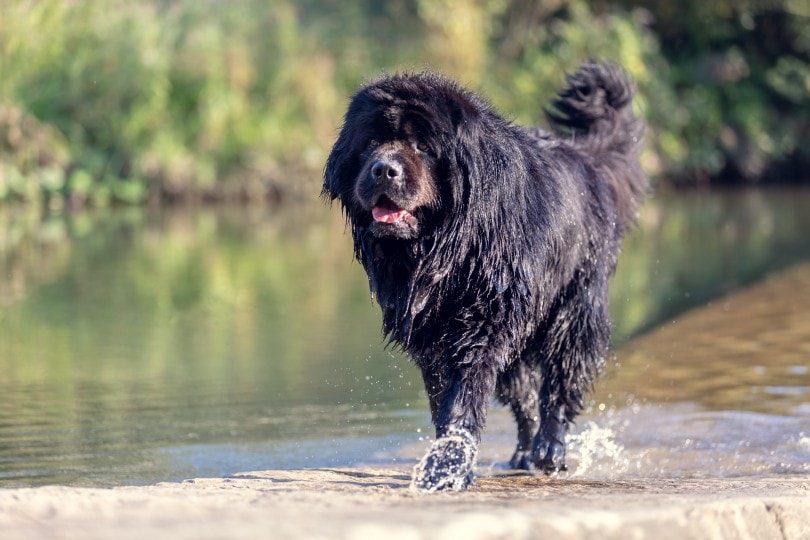
Newfoundland dogs are not hypoallergenic. They have a thick double coat and shed heavily, especially during seasonal changes. This shedding releases dander into the air, a common allergen for sensitive individuals.
Additionally, Newfoundland dogs drool frequently. Their saliva contains proteins that can trigger allergies. Combined with their large size, managing allergens in a home with a Newfoundland can be challenging for allergy sufferers.
Managing Allergies With A Newfoundland Dog
| Tip | Benefit |
|---|---|
| Frequent grooming | Reduces shedding and dander in the environment. |
| Using air purifiers | Helps filter allergens from the air. |
| Regular cleaning | Minimizes allergen buildup on furniture and floors. |
While these measures can help, they may not eliminate all allergens. It’s essential to assess your sensitivity before bringing a Newfoundland into your home.
Newfoundland Breed Traits
Newfoundland dogs are known for their massive size, gentle demeanor, and striking appearance. But are they hypoallergenic? To answer this, it’s essential to understand the unique traits of this breed. Their characteristics, including their coat type, temperament, and care needs, play a crucial role in determining their suitability for allergy sufferers.
Physical Appearance
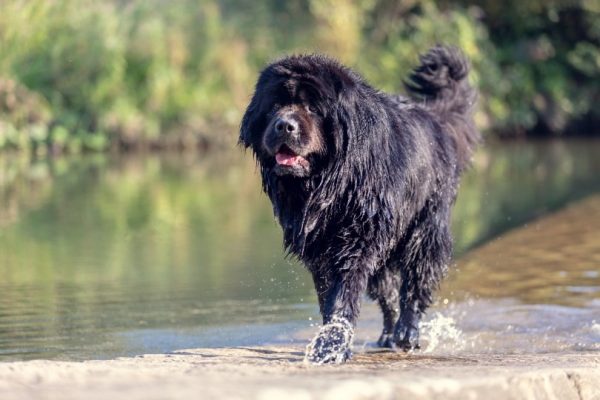
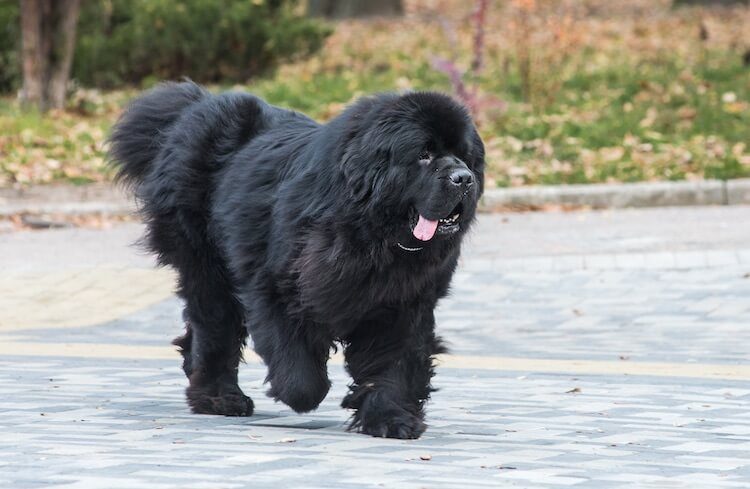
Newfoundland dogs are giant-sized and muscular, built for strength and endurance. Males weigh between 130-150 pounds, while females weigh 100-120 pounds. Their thick, water-resistant double coat is one of their most defining features. It helps them thrive in cold weather but also sheds heavily year-round. This shedding can be a challenge for individuals sensitive to pet dander.
| Trait | Description |
|---|---|
| Height | 26-28 inches (males), 24-26 inches (females) |
| Weight | 130-150 lbs (males), 100-120 lbs (females) |
| Coat Type | Thick double coat, water-resistant |
Temperament
Newfoundlands are often called “gentle giants” due to their calm and friendly nature. They are excellent family dogs, known for their patience with children and loyalty to their owners. Their affectionate and social disposition makes them wonderful companions, but it also means they thrive on human interaction.
They are not aggressive and rarely bark without reason. This makes them ideal for families looking for a large, loving dog. Their temperament is a significant reason why they are so beloved, but their size and grooming needs require consideration.
The Newfoundland’s coat requires regular grooming to prevent matting and excessive shedding. Brushing them at least 2-3 times a week is essential to keep their fur manageable. During shedding seasons, daily brushing may be necessary. Their coat also traps allergens like pollen and dust, which can trigger allergies in sensitive individuals.
Bathing them every few months or as needed will help reduce allergens. Pay attention to their ears, as they are prone to infections. Keeping their nails trimmed and teeth clean ensures overall health and hygiene.
Activity Level
Despite their size, Newfoundlands are relatively laid-back dogs. They enjoy moderate exercise and love swimming due to their webbed feet and water-resistant coat. Daily walks and occasional play sessions are enough to keep them healthy and happy. Excessive physical activity is not ideal, as their large size makes them prone to joint issues.
Their calm demeanor and moderate activity needs make them suitable for families with varying lifestyles. This balance of energy and relaxation is one of their most appealing traits.
Common Allergens
Newfoundland dogs are beloved for their gentle temperament and massive size. Many people wonder if they are hypoallergenic, especially those prone to allergies. Allergies can make owning pets challenging, as certain allergens trigger uncomfortable symptoms. Understanding common allergens is crucial in determining if Newfoundland dogs are suitable for allergy-sensitive households.
What Are Common Allergens?
Common allergens in pets stem from substances like dander, saliva, and urine. These allergens are proteins that can irritate the immune system of sensitive individuals. Newfoundland dogs, despite their lovable nature, are not considered hypoallergenic due to their dense fur and tendency to shed.
Dog Dander
Dander is tiny flakes of skin shed by dogs. It is one of the primary allergens affecting people with pet allergies. Newfoundland dogs have thick coats, which means they may produce more dander compared to short-haired breeds. Regular grooming can help reduce dander buildup but does not eliminate it entirely.
Saliva Allergens
Saliva contains proteins that can act as allergens. Newfoundland dogs drool heavily, making their saliva a significant allergen source. This drool can transfer onto furniture, clothing, and floors, increasing exposure for allergic individuals.
Fur Shedding
Newfoundland dogs are known for their double coat, which sheds year-round. Shed fur can carry dander and saliva allergens, spreading them throughout the home. Vacuuming and cleaning can minimize fur accumulation but may not fully prevent allergen exposure.
Urine Allergens
Urine contains proteins that may trigger allergic reactions. While this is less common than dander or saliva, it is still worth noting. Proper cleaning of areas where accidents occur can help reduce allergen risk.
Table: Common Allergens In Newfoundland Dogs
| Allergen Source | Description |
|---|---|
| Dander | Tiny skin flakes that cause allergic reactions. |
| Saliva | Proteins in drool that can irritate sensitive individuals. |
| Fur Shedding | Loose fur that carries dander and allergens. |
| Urine | Proteins in urine causing mild allergic reactions. |
Understanding these common allergens can help allergy-sensitive people make informed decisions. Managing exposure is key, even with regular cleaning routines.
Newfoundland Coat Characteristics
Newfoundland dogs are well-known for their gentle nature and impressive size. But if you have allergies, you might wonder if their coat will trigger symptoms. Understanding the unique Newfoundland coat characteristics can help you decide if this breed is right for you. Their thick, double-layered coat not only defines their appearance but also plays a significant role in their grooming needs and shedding patterns.
Newfoundland Coat Layers
The Newfoundland’s coat consists of two layers:
- Outer Coat: This layer is water-resistant, coarse, and thick. It protects the dog from wet and cold conditions.
- Undercoat: Soft and dense, the undercoat provides insulation and keeps the dog warm.
These layers shed seasonally, typically during spring and fall. Regular grooming helps manage shedding and keeps their coat healthy.
Texture And Length
The Newfoundland’s coat is medium to long in length. It feels slightly rough to the touch, especially the outer layer. The texture of the coat is designed to repel water, which is why Newfoundlands are excellent swimmers. Their coat may also have feathering around the legs, tail, and chest, adding to their iconic look.
Common Colors
Newfoundland dogs come in a variety of coat colors, including:
| Color | Description |
|---|---|
| Black | Solid black is the most common color for this breed. |
| Brown | Ranges from chocolate to a deeper brown hue. |
| Gray | A rare but beautiful gray shade. |
| Landseer | White with black markings, often on the head and body. |
Shedding And Grooming Needs
Newfoundlands are moderate to heavy shedders, depending on the season. During shedding seasons, you may notice more fur around your home. Weekly brushing helps reduce loose hair and prevents matting. Bathing is needed occasionally, as their water-resistant coat can trap dirt and odors.
To manage shedding effectively, invest in a quality grooming tool like a slicker brush or undercoat rake. Grooming also minimizes dander, which can be a trigger for allergies.
Impact On Allergies
Newfoundland dogs are not considered hypoallergenic. Their thick coat produces dander, which is a common allergen. While no dog is truly hypoallergenic, regular grooming and cleaning can help reduce allergens in your home.
If you have allergies, it’s essential to spend time with a Newfoundland before bringing one home. This helps you understand how your body reacts to their coat and dander.
Grooming Needs
Newfoundland dogs are known for their massive size, gentle temperament, and stunning double coats. While their lovable nature makes them great companions, their grooming needs are not to be overlooked. Proper grooming is essential to keep their coat healthy, reduce shedding, and minimize allergens. If you’re wondering whether Newfoundland dogs are hypoallergenic, their grooming routine plays a key role in managing pet-related allergies. Below, we explore the grooming requirements of this majestic breed in detail.
Understanding The Double Coat
Newfoundland dogs have a thick, water-resistant double coat. The outer coat is coarse and long, while the undercoat is soft and dense. This unique fur helps them stay warm and dry in cold, wet conditions. However, it also means they shed heavily, especially during seasonal changes. Regular grooming is a must to manage shedding and prevent matting.
Brushing Frequency
Brushing a Newfoundland’s coat is essential to remove loose hair and prevent tangles. Aim to brush their coat at least two to three times a week. During shedding seasons, daily brushing may be necessary.
- Use a slicker brush or an undercoat rake for effective grooming.
- Focus on areas prone to matting, such as behind the ears, under the legs, and the tail.
- Brushing also distributes natural oils, keeping their coat shiny and healthy.
Bathing Schedule
Newfoundland dogs don’t need frequent baths due to their water-resistant coat. Bathing them every 6 to 8 weeks is sufficient unless they get dirty. Overbathing can strip the coat of its natural oils, leading to dryness.
- Always use a dog-friendly shampoo to maintain coat health.
- After bathing, ensure their coat is thoroughly dried to prevent skin issues.
Dealing With Shedding
Newfoundlands are not hypoallergenic due to their heavy shedding. Regular grooming helps reduce the amount of hair and dander in your home. During the spring and fall, they “blow” their undercoat, shedding even more than usual.
| Season | Shedding Level | Recommended Grooming |
|---|---|---|
| Spring | High | Daily brushing |
| Fall | High | Daily brushing |
| Winter | Moderate | Weekly brushing |
| Summer | Moderate | Weekly brushing |
Trimming And Nail Care
While their coat needs regular care, don’t forget about nail trimming. Long nails can cause discomfort and affect their gait. Trim their nails every 3 to 4 weeks.
- Check their paws for debris or injuries during grooming sessions.
- Use a dog-specific nail clipper for safety.
Ear And Dental Care
Newfoundlands are prone to ear infections due to their floppy ears. Clean their ears once a week to prevent wax buildup and infections. Additionally, brush their teeth two to three times a week to maintain oral hygiene.
- Use a vet-recommended ear cleaner for safe cleaning.
- Opt for dog-friendly toothpaste to avoid harmful ingredients.
Credit: www.dogster.com
Allergy Management Tips
Newfoundland dogs are large, gentle giants known for their thick, double-layered coats and affectionate nature. While they are not hypoallergenic, there are ways to manage allergies effectively for those who adore these fluffy companions. If you or someone in your household has allergies, implementing smart strategies can reduce allergens and create a comfortable living environment. Below are actionable tips under three main areas: regular cleaning, air filtration, and personal care.
Regular Cleaning
Newfoundland dogs shed heavily and produce dander, which can trigger allergies. Keeping your home clean is vital to minimize allergens. A cleaning routine can make a significant difference.
- Vacuum frequently: Use a vacuum with a HEPA filter to remove hair, dander, and dust from carpets, rugs, and furniture.
- Mop hard floors: Regularly mop hardwood, tile, or laminate floors to eliminate particles that settle.
- Wash bedding: Clean your dog’s bedding and your own weekly using hot water to kill allergens.
Consider investing in washable furniture covers. These make it easier to clean up fur and dander. Below is a quick reference table for cleaning essentials:
| Cleaning Item | Recommended Frequency |
|---|---|
| Vacuuming | 3 times a week |
| Mopping Floors | Weekly |
| Washing Bedding | Once a week |
Regular cleaning reduces the accumulation of allergens and helps you breathe easier in your home.
Air Filtration
Improving air quality can significantly lower the impact of allergens in your home. Newfoundland dogs’ fur and dander can remain airborne, so investing in air filtration systems is crucial.
- Use air purifiers: Choose air purifiers with HEPA filters to trap dander, fur, and dust particles.
- Maintain HVAC systems: Replace air filters in your HVAC system regularly to prevent allergen buildup.
- Ventilate your home: Open windows or use fans to circulate fresh air and reduce indoor allergens.
Below is a list of recommended air purifier features:
- HEPA filter technology
- Quiet operation
- Large coverage area
- Energy efficiency
Set up air purifiers in the rooms where your dog spends the most time. This ensures allergens are captured effectively, improving your quality of life.
Personal Care
Taking care of your Newfoundland dog’s hygiene helps reduce allergens at the source. Grooming and bathing are critical for minimizing dander and fur shedding.
- Brush frequently: Use a de-shedding tool or slicker brush to remove loose fur and dander.
- Bathe your dog: Bathe them every 4-6 weeks with hypoallergenic dog shampoo to keep their coat clean.
- Clean ears and paws: Wipe their ears and paws regularly to prevent dirt and allergens from spreading.
Consider professional grooming services if you cannot keep up with regular brushing. Below is a grooming checklist:
| Grooming Task | Frequency |
|---|---|
| Brushing | Daily |
| Bathing | Every 4-6 weeks |
| Ear Cleaning | Weekly |
Personal care routines not only reduce allergens but also keep your Newfoundland healthy and happy.
Alternatives To Newfoundlands
Newfoundland dogs are gentle giants loved for their affectionate nature and protective instincts. Despite their many positive traits, they aren’t hypoallergenic, which can be a concern for allergy sufferers. Their thick double coat sheds heavily and produces dander, a common allergen trigger. If you’re searching for a dog with similar qualities but fewer allergy risks, there are excellent alternatives to consider. Below, we explore breeds that might be a better fit for those with allergies.
1. Poodles
Poodles are a popular choice for allergy-prone individuals. Their tightly curled coat traps dander, reducing its spread in the home. Available in standard, miniature, and toy sizes, they adapt well to different living spaces. Poodles are also highly intelligent and easy to train, making them an excellent option for first-time dog owners.
- Coat Type: Curly and low-shedding
- Size: Varies (Standard: 45-70 lbs; Miniature: 10-15 lbs)
- Temperament: Friendly, intelligent, and energetic
2. Portuguese Water Dogs
Portuguese Water Dogs share several traits with Newfoundlands, such as their love for water and strong swimming abilities. Their dense, curly coat is low-shedding and hypoallergenic, making them a suitable alternative. These dogs are playful, loyal, and thrive in active households.
- Coat Type: Wavy or curly and water-resistant
- Size: Medium (35-60 lbs)
- Temperament: Energetic, intelligent, and affectionate
3. Lagotto Romagnolo
The Lagotto Romagnolo is another water-loving breed with a hypoallergenic coat. Known as truffle hunters, these dogs are medium-sized and have a curly, low-shedding coat. They are friendly, intelligent, and form strong bonds with their families.
- Coat Type: Curly and woolly
- Size: Medium (24-35 lbs)
- Temperament: Loyal, easygoing, and trainable
4. Goldendoodles
Goldendoodles are a cross between Golden Retrievers and Poodles. Their coat is often low-shedding, depending on the genetic mix. These dogs inherit the intelligence of Poodles and the friendly nature of Golden Retrievers. They are excellent family pets and thrive on companionship.
- Coat Type: Wavy or curly, low-shedding
- Size: Varies (Miniature: 15-30 lbs; Standard: 50-90 lbs)
- Temperament: Social, intelligent, and affectionate
5. Standard Schnauzers
Standard Schnauzers have a wiry, hypoallergenic coat that requires regular grooming. They are medium-sized and known for their alertness and loyalty. Schnauzers are energetic, making them great companions for active families.
- Coat Type: Wiry and low-shedding
- Size: Medium (30-50 lbs)
- Temperament: Intelligent, protective, and lively
Comparison Table: Hypoallergenic Alternatives
| Breed | Coat Type | Size | Temperament |
|---|---|---|---|
| Poodles | Curly, low-shedding | Varies (10-70 lbs) | Friendly, intelligent, energetic |
| Portuguese Water Dogs | Wavy/Curly, water-resistant | Medium (35-60 lbs) | Energetic, intelligent, affectionate |
| Lagotto Romagnolo | Curly, woolly | Medium (24-35 lbs) | Loyal, easygoing, trainable |
| Goldendoodles | Wavy/Curly, low-shedding | Varies (15-90 lbs) | Social, intelligent, affectionate |
| Standard Schnauzers | Wiry, low-shedding | Medium (30-50 lbs) | Intelligent, protective, lively |
Credit: www.allthingsdogs.com
Credit: www.dogster.com
Frequently Asked Questions
What Is The Most Hypoallergenic Dog?
The Poodle, Bichon Frise, and Maltese are among the most hypoallergenic dog breeds. They shed minimally and produce less dander, making them suitable for allergy sufferers. Regular grooming helps reduce allergens further. Always spend time with a breed before adoption to ensure compatibility with your allergies.
Does A Newfoundland Dog Shed?
Yes, Newfoundland dogs shed heavily year-round. They have a thick double coat that requires regular grooming to manage shedding effectively.
Are Newfies Bad For Allergies?
Newfoundlands are not ideal for allergy sufferers. They shed heavily and produce dander, which can trigger allergic reactions. Regular grooming may help.
Are Newfies High Maintenance?
Newfies are considered high maintenance due to their grooming needs, large size, and health care requirements. Regular brushing, proper diet, and exercise are essential. Their thick coats shed heavily, needing frequent cleaning. They also require consistent training and socialization to thrive.
Owners must commit time, effort, and resources to their care.
Conclusion
Newfoundland dogs are not hypoallergenic, but they make loving companions. Their thick coat sheds heavily, which may trigger allergies in sensitive individuals. Regular grooming and cleaning can help reduce allergens in your home. Before adopting, spend time with the breed to see how you react.
Each person’s sensitivity to allergens varies, so it’s important to test first. If allergies are a concern, consult with a doctor or allergist. Owning a Newfoundland requires commitment, but their gentle nature makes it worthwhile for many. Always consider your health and lifestyle before bringing any dog into your family.