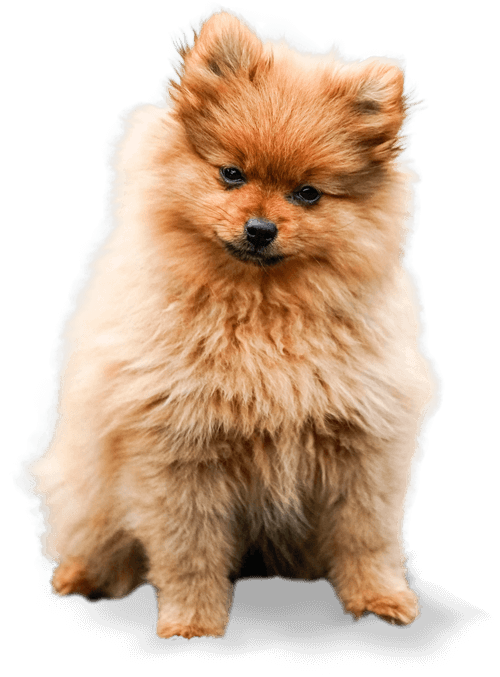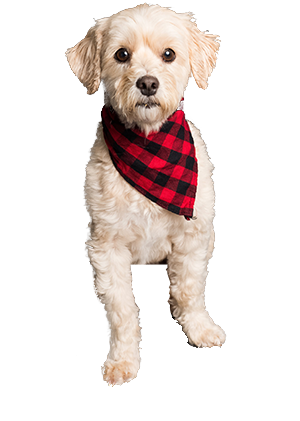


Are you wondering if pit bulls are a good match for your allergies? It’s a common question for dog lovers like you who dream of having a loyal four-legged companion without constantly battling sneezes, itchy eyes, or a runny nose.
Are pit bulls hypoallergenic dogs? Allergies can make choosing the right dog feel overwhelming, especially when conflicting information is everywhere. Here’s the thing: understanding whether pit bulls are hypoallergenic isn’t just about their fur or shedding. There’s more to the story, and knowing the facts could save you from unnecessary frustration—or even help you find your perfect pup.
Stick around as we uncover the truth and give you the answers you need to make an informed decision. Could a pit bull be the allergy-friendly dog you’ve been searching for? Let’s find out.
Pit Bull Basics
Are you wondering whether Pit Bulls are hypoallergenic dogs? Understanding their characteristics can help clarify this question. Pit Bulls are a group of breeds known for their loyalty, strength, and affectionate nature. To understand their hypoallergenic status, let’s first explore the basics of this popular breed.
Pit Bull Origins
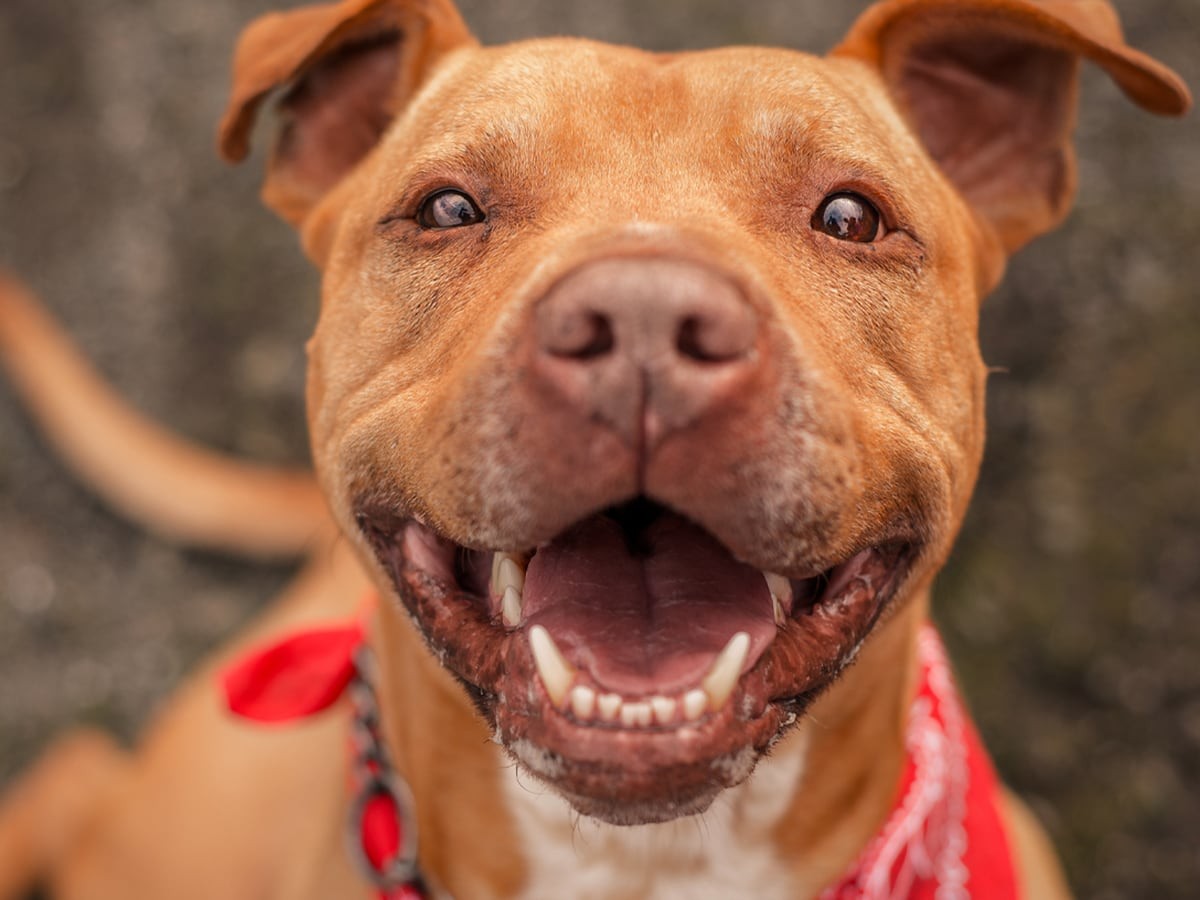
Pit Bulls are not a single breed but a group that includes the American Pit Bull Terrier, American Staffordshire Terrier, and others. They were initially bred for tasks like farm work and companionship. Their muscular build and short coat make them easily recognizable.
Physical Characteristics
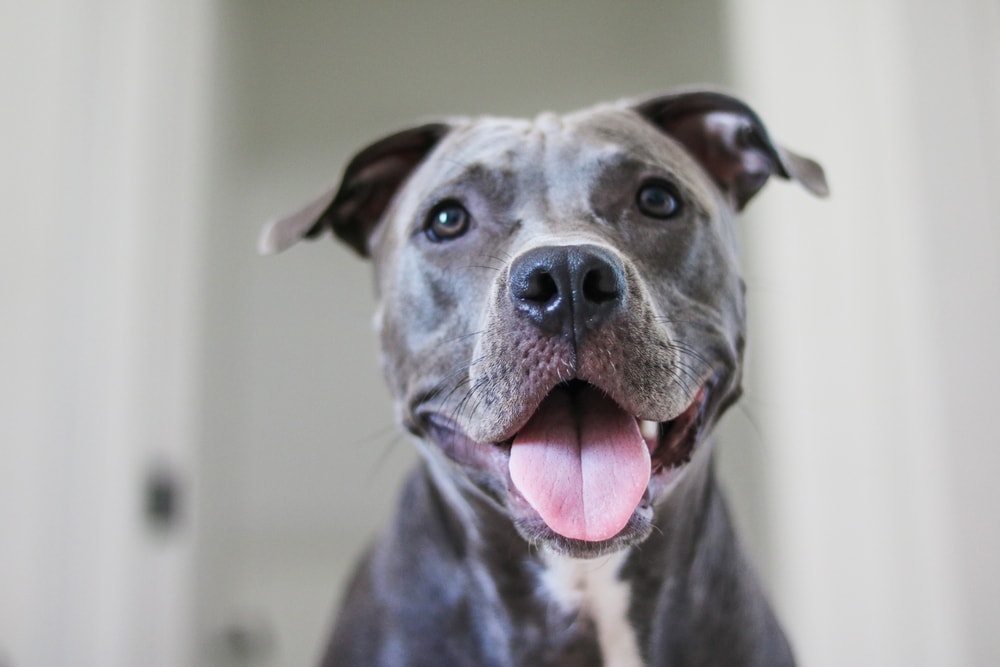
Pit Bulls are medium-sized dogs with a strong, athletic frame. Their short coat comes in various colors, such as black, white, brindle, and fawn. The coat is smooth and requires minimal grooming, but it still sheds.
| Feature | Description |
|---|---|
| Size | Medium (30-60 lbs) |
| Coat Type | Short and smooth |
| Colors | Variety (e.g., black, brindle, fawn) |
Temperament
Known for their friendly and loyal nature, Pit Bulls are often called “nanny dogs” for their gentle behavior with children. They are highly energetic and thrive with active families. Proper training and socialization are essential to bring out their best qualities.
- Affectionate with family
- Good with kids
- Energetic and playful
Shedding And Allergens
Although Pit Bulls have short coats, they are not hypoallergenic. They shed moderately, which can release dander into the environment. Dander is a common allergen that may trigger reactions in sensitive individuals.
Regular grooming, such as brushing and bathing, can help reduce shedding and dander levels. While this won’t make them hypoallergenic, it can minimize allergens in your home.
What Are Hypoallergenic Dogs?
Are Pit Bulls hypoallergenic dogs? This is a common question for dog lovers with allergies. Owning a dog is a dream for many, but allergies can make it tricky. To understand if Pit Bulls are a good match, it’s important to know what hypoallergenic dogs are.
Hypoallergenic dogs are breeds that are less likely to trigger allergies in people. They are not completely allergy-free but produce fewer allergens. Allergens in dogs usually come from their saliva, dander, and urine. These tiny particles can stick to the dog’s fur or spread in the air, causing allergic reactions.
Some breeds are considered hypoallergenic because they shed less or have a different coat structure. Less shedding means fewer allergens are spread in your home. This can reduce the chances of allergic reactions.
How Are Hypoallergenic Dogs Different?
Hypoallergenic dogs often have specific traits that make them more suitable for people with allergies. Here are a few differences:
- Low Shedding: These dogs shed very little fur, keeping allergens contained.
- Coat Type: Breeds with curly or wiry coats trap dander, preventing it from floating in the air.
- Smaller Size: Smaller dogs produce fewer allergens because they have less surface area for dander and saliva.
Examples Of Hypoallergenic Dog Breeds
Some popular hypoallergenic dog breeds include:
| Breed | Key Feature |
|---|---|
| Poodle | Curly coat traps allergens |
| Bichon Frise | Minimal shedding |
| Maltese | Silky, low-shedding coat |
| Schnauzer | Wiry coat reduces dander spread |
Why Are Some People Allergic To Dogs?
Allergies occur when the immune system reacts to proteins in a dog’s saliva, dander, or urine. These proteins can cling to fur and surfaces, making them hard to avoid. People with sensitive immune systems may experience symptoms like sneezing, runny nose, or itchy eyes.
While no dog is completely free of allergens, hypoallergenic breeds can help reduce exposure. Understanding your allergies can help you find the right dog for your home.
Common Allergens In Dogs
Many people wonder if Pit Bulls are hypoallergenic dogs. Allergies related to dogs are often caused by specific allergens that humans react to. Understanding these allergens can help dog owners manage their symptoms and choose the right breed. Let’s explore the most common allergens in dogs and how they can affect sensitive individuals.
What Causes Allergic Reactions To Dogs?
Dog allergies are triggered by proteins found in saliva, dander, and urine. These proteins stick to fur and skin, spreading throughout your home. Sensitive individuals may experience sneezing, itchy eyes, or skin irritation. Some dog breeds produce fewer allergens, but no breed is completely hypoallergenic.
Dog Hair And Dander
Dog dander is made of tiny skin flakes shed by dogs. It clings to furniture, carpets, and clothing, making it hard to avoid. Hair also traps allergens, increasing exposure for allergy sufferers. Short-haired breeds like Pit Bulls shed less, but they still release dander.
Saliva Allergens
Proteins in dog saliva can be a major allergen. Dogs lick themselves and objects, leaving behind traces of saliva. This saliva dries and becomes airborne, causing allergic reactions. Regular cleaning and limiting contact can help reduce exposure.
Urine Proteins
Urine contains allergenic proteins that can irritate sensitive individuals. These proteins can linger on surfaces and in outdoor areas. Proper hygiene practices, such as cleaning up after accidents, are essential to minimize exposure.
Environmental Allergens On Dogs
Dogs often carry external allergens like pollen and dust on their fur. These irritants can worsen allergies in humans. Bathing your dog regularly and wiping their paws can help reduce these allergens in your home.
| Common Dog Allergens | Source |
|---|---|
| Dander | Shed skin flakes |
| Saliva | Proteins from licking |
| Urine | Protein residues |
| Environmental allergens | Pollen, dust, and dirt |
Tips To Manage Dog Allergens
- Vacuum carpets and furniture weekly.
- Wash your dog’s bedding regularly.
- Use air purifiers to reduce airborne allergens.
- Bathe your dog every two weeks to minimize dander.
- Keep dogs out of bedrooms to limit exposure.
Credit: spotpet.com
Pit Bull Coat Characteristics
Are Pit Bulls hypoallergenic dogs? This is a common question among dog lovers, especially those with allergies. While no dog is completely allergy-free, a breed’s coat plays a big role in how much it triggers allergic reactions. Let’s explore the coat characteristics of Pit Bulls to understand whether they might be suitable for individuals with allergies.
Pit Bull Coat Type
Pit Bulls have a short, sleek coat that lies close to their skin. Their fur is smooth to the touch and requires minimal grooming compared to breeds with longer coats. This type of coat reduces the amount of loose hair, which may be helpful for people sensitive to shedding. However, their short coat does not prevent dander, a common allergen, from spreading in their environment.
Shedding Levels
Pit Bulls are considered moderate shedders. While their short coat might not appear to shed much, they do lose hair regularly throughout the year. Seasonal shedding may increase during spring and fall, but it’s not as heavy as that of double-coated breeds. Regular brushing can help manage shedding and limit the spread of allergens in your home.
Coat Colors And Patterns
One of the most striking features of Pit Bulls is their variety of coat colors and patterns. They can have solid coats, brindle patterns, or even patches of different colors. The color and pattern of their coat do not impact allergens, but it adds to their unique appearance and charm.
Grooming Needs
Pit Bulls require minimal grooming due to their short coat. A weekly brushing session with a soft-bristle brush or grooming glove is usually enough to remove loose hair and reduce dander. They also need occasional baths to keep their coat clean and shiny. Using hypoallergenic shampoos can further minimize allergens and keep their skin healthy.
Coat Maintenance Tips
- Brush your Pit Bull weekly to reduce shedding and dander.
- Use a vacuum with a HEPA filter to clean up loose hair effectively.
- Bathe them every 4-6 weeks using a mild, hypoallergenic dog shampoo.
- Wipe their coat with a damp cloth between baths to remove dirt and allergens.
In summary, while Pit Bulls have short coats that are easy to maintain, they are not entirely hypoallergenic. Their coat characteristics can still trigger allergies in sensitive individuals, especially due to dander rather than shedding.
Allergy Reactions To Pit Bulls
Many dog lovers adore pit bulls for their loyalty and playful energy. But for individuals with allergies, owning a dog can pose challenges. A common question is whether pit bulls are hypoallergenic. While no dog is completely allergy-free, understanding how pit bulls may trigger allergies can help potential owners make informed decisions. Let’s explore the connection between pit bulls and allergies.
What Causes Allergic Reactions To Dogs?
Dog allergies are not caused by fur alone. The real culprits are proteins found in a dog’s saliva, dander, and urine. These proteins cling to fur and skin, spreading through the environment. When inhaled or touched, sensitive individuals may experience allergy symptoms.
Do Pit Bulls Produce More Allergen Triggers?
Pit bulls do not shed excessively compared to some other breeds. But they still produce dander and saliva proteins that can trigger allergies. Their short coats make it easier for allergens to transfer to furniture, clothes, and bedding.
Common Symptoms Of Allergies Around Pit Bulls
- Itchy or watery eyes
- Runny nose or nasal congestion
- Frequent sneezing
- Skin rashes or hives after touching the dog
- Wheezing or shortness of breath
If symptoms persist, allergy testing may confirm whether pit bulls are the trigger.
How To Minimize Allergy Reactions To Pit Bulls
Allergy sufferers can take steps to reduce exposure to allergens:
- Brush the dog outside to remove loose hair and dander.
- Use HEPA air purifiers to filter allergens from the air.
- Wash your pit bull regularly with hypoallergenic dog shampoo.
- Keep your home clean by vacuuming carpets and upholstery often.
- Designate pet-free zones, such as bedrooms, to limit exposure.
Are Pit Bulls Suitable For Allergy Sufferers?
Pit bulls may not be the best choice for individuals with severe allergies. But those with mild sensitivities can take precautions to live comfortably with them. Consulting an allergist is recommended before bringing a pit bull home.
Understanding how pit bulls impact allergies can help you decide if they’re the right fit for your lifestyle. Knowledge and preparation can make all the difference.
Credit: www.dogster.com
Comparing Hypoallergenic Breeds
Many pet lovers are curious about hypoallergenic dogs and whether certain breeds, like Pit Bulls, fit this category. Hypoallergenic dogs are often preferred by individuals with allergies because they produce fewer allergens. To understand if Pit Bulls are hypoallergenic, it’s helpful to compare them with breeds specifically known for their low allergen levels. Below, we’ll explore how hypoallergenic breeds differ from Pit Bulls.
What Makes A Dog Hypoallergenic?
Hypoallergenic dogs are less likely to trigger allergic reactions. This is due to lower levels of dander, saliva proteins, or shedding. These allergens are the primary culprits behind pet-related allergies. While no breed is 100% allergen-free, some dogs are far better suited for allergy-sensitive owners.
Popular Hypoallergenic Dog Breeds
Several breeds are famous for being hypoallergenic. These dogs are often recommended for people with allergies:
- Poodle: Their curly coat traps dander and prevents shedding.
- Bichon Frise: Known for their soft, fluffy fur and minimal shedding.
- Schnauzer: Their wiry coat reduces dander and allergens.
- Maltese: Their long, silky hair rarely sheds.
- Portuguese Water Dog: Their thick, curly coat is ideal for allergy sufferers.
Comparing Pit Bulls To Hypoallergenic Breeds
Pit Bulls are not considered hypoallergenic. They shed moderately and produce dander, which can trigger allergies. Comparing them to hypoallergenic breeds highlights key differences:
| Feature | Pit Bulls | Hypoallergenic Breeds |
|---|---|---|
| Shedding | Moderate shedding | Minimal shedding |
| Dander Production | High dander | Low dander |
| Saliva Proteins | Higher levels | Reduced levels |
| Coat Type | Short, smooth coat | Wiry, curly, or long coats |
Factors To Consider When Choosing A Dog
Consider the following factors if allergies are a concern:
- Choose breeds with low shedding and dander levels.
- Regular grooming can reduce allergens significantly.
- Consult an allergist to understand personal triggers.
- Spend time with the breed before adopting.
Understanding these traits can help you make an informed decision about which breed suits your home and health needs.
Managing Allergies With Pit Bulls
Are Pit Bulls hypoallergenic dogs? This is a common question among pet lovers with allergies. While no dog breed is truly hypoallergenic, some are better for allergy sufferers. Pit Bulls, with their short coat, might seem ideal. But managing allergies with Pit Bulls requires understanding and preparation.
Are Pit Bulls Hypoallergenic?
Pit Bulls are not considered hypoallergenic. They produce dander, a common allergen, like all dogs. Their short coat can also shed, releasing dander into the air. While they shed less than some breeds, they can still trigger allergies.
Tips To Minimize Allergic Reactions
Managing allergies with a Pit Bull is possible with the right steps. Here are some tips:
- Regular grooming: Brush your Pit Bull weekly to reduce loose hair and dander.
- Bathing routine: Bathe your dog every 4-6 weeks to keep allergens low.
- Clean your home: Vacuum carpets and wash bedding often to remove pet dander.
- Air filtration: Use an air purifier to trap allergens in your home.
Choosing Allergy-friendly Products
Investing in allergy-friendly products can make a difference. Consider the following:
| Product | Purpose |
|---|---|
| Hypoallergenic Dog Shampoo | Reduces dander and soothes sensitive skin. |
| HEPA Air Purifier | Filters pet allergens from the air. |
| Anti-Allergen Spray | Neutralizes allergens on surfaces. |
Consulting With An Allergist
If allergies persist, consider speaking with an allergist. They can perform tests to identify triggers and recommend treatments. Allergy shots or medications might help you live comfortably with your Pit Bull.
Creating Allergen-free Zones
Set up spaces in your home where your Pit Bull isn’t allowed. Common examples include bedrooms or home offices. This reduces allergen exposure in areas where you spend most of your time.
Personal Experiences And Testimonials
Are you curious if Pit Bulls are hypoallergenic dogs? Many people with allergies wonder if these loyal and loving pets might trigger their symptoms. While no dog is completely hypoallergenic, personal stories can provide valuable insights. Real-life experiences and testimonials from dog owners help us understand how Pit Bulls might affect those with sensitivities. Let’s dive into what others have to say about living with Pit Bulls and allergies.
Personal Stories From Pit Bull Owners
Many Pit Bull owners share their unique experiences. Some report no issues with allergies, while others mention mild reactions. For instance, Sarah, a dog lover with mild allergies, shared that her Pit Bull’s short coat didn’t shed as much as she expected. This made it easier for her to manage her symptoms.
On the other hand, Jack, another Pit Bull owner, mentioned that regular grooming and cleaning helped reduce allergens in his home. He emphasized the importance of maintaining a clean environment, especially for allergy sufferers.
Common Allergy Triggers Observed
Owners often highlight certain triggers linked to dog allergies. These include:
- Dander: Tiny skin flakes that dogs shed naturally.
- Saliva: Some people are allergic to proteins found in a dog’s saliva.
- Hair: While Pit Bulls have short coats, their hair can still carry allergens.
Many testimonials suggest that understanding these triggers helps manage symptoms effectively.
Tips Shared By Allergy-prone Pit Bull Owners
Allergy-prone owners often share tips for living comfortably with their Pit Bulls. Here’s what they recommend:
- Brush your dog regularly to reduce shedding and dander.
- Vacuum carpets and furniture often to eliminate allergens.
- Use air purifiers to keep indoor air clean.
- Wash your hands after petting your dog.
These practical steps can make a big difference for people with allergies.
Testimonials On Bonding Despite Allergies
Even allergy sufferers talk about the strong bond they share with their Pit Bulls. Many agree that the love and companionship outweigh the discomfort of occasional symptoms. Alex, for example, said, “My allergies act up sometimes, but I wouldn’t trade my Pit Bull for anything. She’s my best friend.”
Such heartfelt stories show that, with the right precautions, owning a Pit Bull can still be a rewarding experience for allergy-prone individuals.
Conclusion On Pit Bulls And Allergies
Are Pit Bulls hypoallergenic dogs? Many people with allergies want to know if this breed is safe for them. Allergies caused by pets often come from dander, saliva, or fur. Some breeds are considered less likely to cause allergic reactions. Understanding Pit Bulls and their impact on allergies can help allergy sufferers make informed decisions. Let’s explore the conclusion on Pit Bulls and allergies.
Are Pit Bulls Hypoallergenic?
Pit Bulls are not hypoallergenic. They produce dander, saliva, and shed fur, which can trigger allergies in sensitive individuals. While no dog is completely free from allergens, some breeds are less likely to cause reactions. Unfortunately, Pit Bulls do not fall into this category.
Why Pit Bulls May Cause Allergies
- Dander: Tiny flakes of skin that can irritate allergies.
- Saliva: Contains proteins that may cause allergic reactions.
- Shedding: Their fur can carry allergens into the air and onto surfaces.
The combination of these factors makes Pit Bulls a potential concern for allergy sufferers.
Managing Allergies Around Pit Bulls
If you love Pit Bulls but suffer from allergies, there are ways to reduce symptoms:
- Clean your home regularly to remove dander and fur.
- Invest in air purifiers to limit airborne allergens.
- Wash your dog’s bedding and toys weekly.
- Brush your Pit Bull outdoors to minimize shedding inside.
- Consider allergy medications or consult a doctor for advice.
Are There Similar Breeds That Are Hypoallergenic?
Some dog breeds are better suited for allergy sufferers. These include:
| Breed | Hypoallergenic Traits |
|---|---|
| Poodle | Low shedding, reduced dander. |
| Schnauzer | Minimal fur shedding. |
| Bichon Frise | Coat traps allergens. |
These breeds may be a better choice for allergy-prone individuals.
Final Thoughts On Pit Bulls And Allergies
While Pit Bulls are loving and loyal pets, they are not hypoallergenic. Allergy sufferers should consider their sensitivity before bringing this breed into their home. Proper cleaning and care can help reduce allergens but may not eliminate them entirely.

Credit: www.sparkpaws.com
Frequently Asked Questions
Are Pitbulls Ok For People With Allergies?
Pitbulls are not hypoallergenic. They shed and produce dander, which can trigger allergies in sensitive individuals. Regular grooming helps.
Which Dog Is The Most Hypoallergenic?
Poodles are considered the most hypoallergenic dogs due to their low-shedding coats. Other options include Bichon Frises, Maltese, and Portuguese Water Dogs. These breeds produce less dander, making them suitable for allergy sufferers. Regular grooming further reduces allergens. Always spend time with a breed to ensure compatibility with allergies.
Are Pitbulls Sensitive Dogs?
Yes, Pitbulls are sensitive dogs. They form strong bonds with their owners and respond deeply to emotions and environments.
Is A Pit Bull A Good Family Dog?
Pit bulls can be great family dogs with proper training, socialization, and care. They are loyal, affectionate, and protective. Always supervise interactions with children and provide consistent guidance. Early training helps them thrive in a loving environment. Research the breed and ensure it fits your family’s lifestyle and needs.
Conclusion
Pit Bulls are not hypoallergenic, but they can still be loving pets. Their short coat may shed less than some breeds, but allergens remain. Regular grooming and cleaning can help reduce allergens in your home. Always consider your allergies before choosing a dog.
Spend time with a Pit Bull to see how your body reacts. Every person’s allergy sensitivity is different. Research and preparation are key to finding the right fit. Pit Bulls offer loyalty and affection, but they may not suit allergy sufferers.
Understanding your needs and limits helps ensure a happy, healthy match for both you and the dog.