

Are you considering bringing a Portuguese Water Dog into your home but worried about allergies? You’re not alone.
Are portuguese water dogs hypoallergenic? For many people, the dream of owning a dog comes with the fear of sneezing, itchy eyes, or constant sniffles. If you’ve heard that Portuguese Water Dogs are hypoallergenic, you’re probably wondering if that’s really true—or just a myth. The answer might surprise you.
This article will break down what “hypoallergenic” really means, whether this breed fits the bill, and what you need to know before making a decision. If you’re looking for a furry companion that won’t set off your allergies, keep reading. By the end, you’ll have the clarity you need to decide if this playful, intelligent breed is the right fit for you and your family.
Credit: healthland.time.com
Hypoallergenic Traits
Portuguese Water Dogs are often praised for their adorable curls and lively personalities. But their appeal goes beyond just looks and temperament. Many people wonder if these dogs are hypoallergenic. While no dog is 100% allergen-free, Portuguese Water Dogs are known for their unique coat and other traits that may make them a better option for allergy sufferers.
What Does “hypoallergenic” Really Mean?
The term “hypoallergenic” refers to something less likely to trigger an allergic reaction. In dogs, this often relates to how much dander, saliva, or hair they shed. Portuguese Water Dogs are frequently labeled hypoallergenic because they shed minimally and produce less dander compared to many other breeds.
Low-shedding Coat
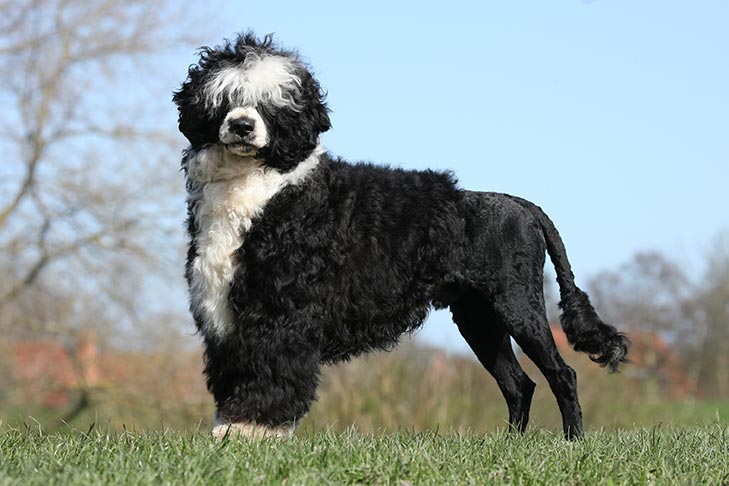
One of the standout traits of Portuguese Water Dogs is their low-shedding, dense coat. Unlike dogs that shed fur continuously, Portuguese Water Dogs trap their loose hair within their curls. This reduces the amount of hair floating around your home, which can be a trigger for allergies.
Regular grooming is crucial to prevent matting and to remove trapped hair. Brushing their coat a few times a week can help minimize allergens further.
Reduced Dander Production
Dog dander, which consists of tiny skin flakes, is a common allergen. Portuguese Water Dogs naturally produce less dander than many other breeds. This makes them a popular choice for individuals sensitive to pet allergens.
Bathing your dog every few weeks can help wash away dander and keep their coat clean and allergen levels low.
Single-layer Coat
Unlike double-coated breeds, Portuguese Water Dogs have a single-layer coat. This coat type is less prone to shedding and may carry fewer allergens. Their coat also dries quickly, which helps maintain cleanliness and reduces the buildup of irritants.
Table: Key Hypoallergenic Traits Of Portuguese Water Dogs
| Trait | How It Helps Allergies |
|---|---|
| Low-Shedding Coat | Minimizes loose hair in the home |
| Reduced Dander | Produces fewer allergens compared to many breeds |
| Single-Layer Coat | Less shedding and easier to maintain |
Do Portuguese Water Dogs Suit Allergy Sufferers?
While no dog is completely allergy-proof, Portuguese Water Dogs have several traits that make them a better choice for those with sensitivities. Their low-shedding, single-layer coat and reduced dander production all contribute to their hypoallergenic reputation.
Consulting with an allergist before bringing a dog home can help determine if this breed suits your specific needs.
Coat Characteristics
Portuguese Water Dogs are often recommended for allergy sufferers due to their unique coats. Their fur plays a key role in their hypoallergenic reputation. Understanding their coat characteristics can help you care for them better and manage potential allergens effectively. Let’s explore their coat in detail.
Texture And Composition
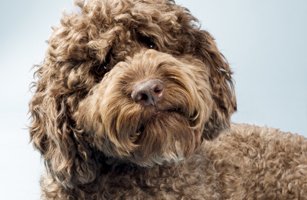
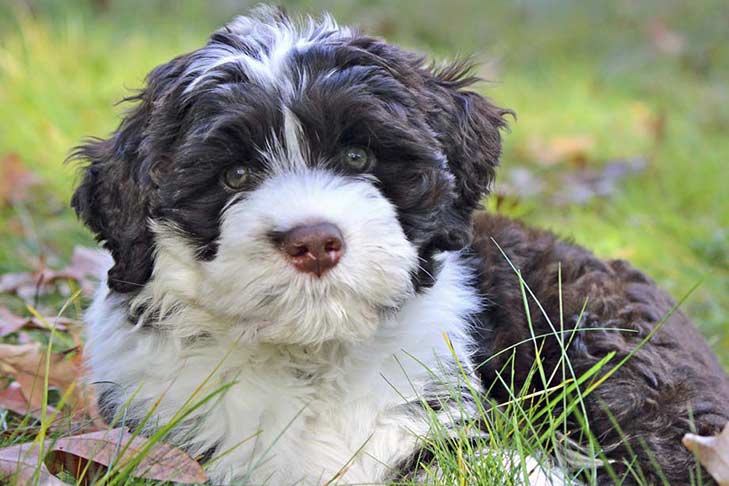
The coat of a Portuguese Water Dog is one of its defining features. It is known for being dense, waterproof, and curly or wavy. This unique texture helps reduce the amount of shedding, which is why they are often considered hypoallergenic. Less shedding means fewer allergens are released into the environment.
The coat comes in two main types:
- Curly: Tight, compact curls that give the dog a wool-like appearance.
- Wavy: Looser waves that lie closer to the body but still provide insulation.
Both coat types have a single layer, unlike many other breeds that have an undercoat. This single-layered coat helps minimize dander, a common allergen. The hair grows continuously, similar to human hair, which also contributes to lower shedding levels.
Here’s a quick comparison of the two coat types:
| Coat Type | Texture | Shedding Level |
|---|---|---|
| Curly | Tight, springy curls | Minimal |
| Wavy | Soft, flowing waves | Minimal |
The coat’s texture and composition are ideal for reducing allergen exposure. Yet, proper grooming is essential to maintain these benefits.
Grooming Needs
Grooming is crucial for Portuguese Water Dogs to keep their coat healthy and hypoallergenic. Their continuously growing hair requires regular maintenance to prevent matting and tangles. Neglecting grooming can lead to increased dander and dirt accumulation.
Here’s a breakdown of their grooming requirements:
- Brushing: Brush their coat 2-3 times a week to remove loose hair and prevent tangles.
- Bathing: Bathe them every 4-6 weeks to keep their coat clean and odor-free. Use a hypoallergenic shampoo to minimize skin irritation.
- Trimming: Schedule professional grooming every 6-8 weeks to keep their hair at a manageable length.
- Ear Cleaning: Check and clean their ears weekly, as their curly hair can trap moisture and debris.
Proper grooming not only enhances their appearance but also reduces allergen buildup. Regular brushing distributes natural oils, keeping their coat shiny and healthy. Trimming ensures that their coat doesn’t become too thick, which can trap allergens and dirt.
Grooming tools like a slicker brush and a comb with wide and fine teeth are essential. These tools help you maintain their coat without causing discomfort. A well-maintained coat ensures a cleaner living environment and reduces the risk of allergens spreading indoors.
Allergy Triggers
Portuguese Water Dogs are often considered by allergy sufferers due to their unique coat and reputation as a “hypoallergenic breed.” However, understanding their allergy triggers is key before committing to ownership. Allergies can be caused by various substances like pet dander, saliva, and even urine. Let’s dive deeper into these triggers to explore if Portuguese Water Dogs are truly hypoallergenic.
Dander Production
Dander refers to tiny skin particles that pets shed regularly. These particles can carry proteins that trigger allergic reactions in sensitive individuals. Portuguese Water Dogs have a curly, dense coat that minimizes shedding, which often leads to less airborne dander compared to other breeds. While this characteristic is beneficial, it doesn’t eliminate dander entirely.
Here are some key points about dander production in Portuguese Water Dogs:
- They shed less dander due to their tightly curled coat.
- Regular grooming can help control dander buildup.
- Bathing the dog every few weeks can remove allergens from the skin.
It’s important to note that even though dander levels may be lower, no dog is completely free of dander. Allergy sufferers should spend time around the breed before making a decision.
| Factor | Impact on Allergies |
|---|---|
| Low shedding | Reduces airborne allergens |
| Curly coat | Traps dander, preventing it from circulating |
| Regular grooming | Helps manage dander levels |
By maintaining a grooming routine and keeping the dog’s living area clean, dander can be managed effectively.
Saliva And Urine
Proteins found in saliva and urine are another common cause of allergic reactions. When dogs lick themselves, these proteins can spread to their fur and skin, increasing exposure for allergy-prone individuals. Portuguese Water Dogs are no exception.
Key considerations about saliva and urine allergens include:
- Saliva can spread allergens to surfaces like furniture and clothing.
- Urine proteins can linger in areas where the dog relieves itself.
- Cleaning and disinfecting areas frequently can reduce exposure.
Portuguese Water Dogs tend to drool less than some other breeds, which might make them more tolerable for those with saliva-related allergies. However, their grooming habits—such as licking—can still transfer saliva proteins to their coat.
To reduce saliva and urine allergens:
- Wash your hands after touching the dog.
- Clean areas where the dog sleeps or spends time frequently.
- Consider enzyme cleaners for urine stains to break down allergy-triggering proteins.
While these measures can help minimize allergens, individuals sensitive to saliva or urine proteins should weigh their tolerance carefully before adopting this breed.
Comparison With Other Breeds
Portuguese Water Dogs are often celebrated for their hypoallergenic qualities, making them a great choice for allergy sufferers. But how do they compare to other dog breeds? Understanding similarities and differences with other hypoallergenic and non-hypoallergenic dogs can help you decide if this breed is the right fit for your family.
Similar Hypoallergenic Breeds
Portuguese Water Dogs share many traits with other hypoallergenic breeds. These dogs tend to produce less dander, which is the main cause of pet allergies. Their curly or wavy coats also trap hair and prevent shedding, reducing airborne allergens. Let’s explore a few breeds that are similar:
- Poodles: Like Portuguese Water Dogs, Poodles have dense, curly coats that minimize shedding. They are available in various sizes, such as Standard, Miniature, and Toy.
- Labradoodles: A mix between a Labrador Retriever and a Poodle, Labradoodles are another hypoallergenic option. They are friendly and intelligent, just like Portuguese Water Dogs.
- Bichon Frise: Known for their soft, curly coats, Bichon Frises are small, playful companions. They are also low-shedding, making them ideal for allergy-prone families.
- Schnauzers: With their wiry coats, Schnauzers are another hypoallergenic choice. They come in Miniature, Standard, and Giant sizes.
The table below highlights key similarities between these breeds:
| Breed | Coat Type | Shedding Level | Size Options |
|---|---|---|---|
| Portuguese Water Dog | Curly or Wavy | Low | Medium |
| Poodle | Curly | Low | Small to Large |
| Labradoodle | Curly or Wavy | Low | Medium to Large |
| Bichon Frise | Curly | Low | Small |
| Schnauzer | Wiry | Low | Small to Large |
These breeds are comparable in their allergy-friendly traits, but each has unique care requirements and personality differences.
Contrasting Non-hypoallergenic Breeds
Not all breeds are suitable for people with allergies. Non-hypoallergenic dogs often shed more and release higher levels of dander. These factors can trigger allergies, especially for sensitive individuals. Here are some popular non-hypoallergenic breeds for comparison:
- Golden Retriever: Known for their friendly nature, Golden Retrievers shed heavily. Their long fur requires regular grooming to manage shedding.
- German Shepherd: This intelligent and loyal breed is a heavy shedder. Seasonal shedding can release a significant amount of dander into the air.
- Beagle: Beagles have short coats but still shed consistently. Their dander can cause allergic reactions in sensitive individuals.
- Bulldog: Bulldogs are lovable but have short, dense coats that shed year-round. Their skin folds can also harbor allergens.
The table below highlights the key differences between these non-hypoallergenic breeds and Portuguese Water Dogs:
| Breed | Shedding Level | Coat Maintenance | Allergy-Friendly |
|---|---|---|---|
| Portuguese Water Dog | Low | Moderate | Yes |
| Golden Retriever | High | High | No |
| German Shepherd | High | High | No |
| Beagle | Moderate | Low | No |
| Bulldog | Moderate | Low | No |
While non-hypoallergenic breeds may be lovable and popular, their shedding and dander levels can pose challenges for allergy sufferers. Portuguese Water Dogs offer a lower-maintenance, allergy-friendly alternative.
Living With Allergies
For people with allergies, choosing a dog breed can be a tricky decision. Portuguese Water Dogs are often labeled as “hypoallergenic” due to their curly, low-shedding coats. While no dog is completely hypoallergenic, this breed might be more suitable for allergy sufferers. Living with allergies and a dog requires planning and adjustments to ensure both the owner and the pet are comfortable. Let’s explore how to manage symptoms and create a home environment that works for everyone.
Managing Symptoms
Allergy symptoms can vary from mild sneezing to more severe reactions. If you’re living with a Portuguese Water Dog and have allergies, managing symptoms effectively is key. Here are some practical steps to make life easier:
- Regular Grooming: Brush your dog’s coat at least twice a week to reduce dander and loose hair.
- Bathing: Give your dog a bath every 4-6 weeks using a gentle, dog-friendly shampoo.
- Wash Your Hands: Always wash your hands after petting or handling your dog.
- Medication: Consider taking over-the-counter antihistamines or consulting a doctor for stronger allergy relief options.
- Air Purifiers: Use a HEPA filter in your home to reduce airborne allergens.
Below is a simple table summarizing common symptoms and possible solutions:
| Allergy Symptom | Suggested Solution |
|---|---|
| Runny Nose | Use nasal sprays or take antihistamines. |
| Itchy Eyes | Apply allergy eye drops or wear protective glasses when grooming your dog. |
| Skin Irritation | Wash affected areas and use hypoallergenic moisturizers. |
Being proactive about managing symptoms can make a significant difference in your day-to-day life with a Portuguese Water Dog.
Creating A Dog-friendly Home
Maintaining a clean and allergy-friendly home is essential for coexisting with a Portuguese Water Dog. A few small changes can reduce allergens and make your home more comfortable.
Start by focusing on cleaning routines:
- Vacuum Frequently: Use a vacuum with a HEPA filter to trap pet dander effectively.
- Wash Bedding: Clean your dog’s bedding weekly with hot water to eliminate allergens.
- Dust Surfaces: Use microfiber cloths to capture fine particles instead of spreading them around.
Consider setting up designated areas for your dog:
- Dog-Free Zones: Keep bedrooms and other allergy-sensitive areas off-limits to your dog.
- Outdoor Playtime: Encourage your dog to play outdoors to reduce indoor shedding.
Below is a checklist for creating a dog-friendly and allergy-sensitive space:
- Install washable rugs or use hard flooring instead of carpets.
- Invest in an air purifier for your living room and bedroom.
- Keep grooming supplies like brushes and shampoos accessible for regular use.
With these steps, you can create a living space that minimizes allergens while keeping your Portuguese Water Dog happy and healthy.
Credit: www.akc.org
Choosing A Dog
Choosing the right dog is an exciting yet important decision. For allergic owners, this decision requires careful thought. Some breeds, like the Portuguese Water Dog, are often labeled hypoallergenic. But what does hypoallergenic really mean? Understanding this term and how it applies to your lifestyle is key before bringing a furry friend into your home.
Considerations For Allergic Owners
Living with allergies can make owning a dog tricky. Many people believe hypoallergenic breeds like Portuguese Water Dogs are allergy-free, but this isn’t entirely accurate. Hypoallergenic dogs are less likely to cause allergic reactions, but they don’t eliminate the risk completely.
To make an informed decision, allergic owners need to consider several factors:
Portuguese Water Dogs have curly coats that trap dander rather than spreading it. This can reduce allergens. Regular grooming can keep allergens under control. Bathing your dog frequently may help reduce dander buildup.
It’s important to remember that allergies vary from person to person. What might work for one allergic owner may not work for another. Lifestyle adjustments, like investing in air purifiers or using allergy-friendly cleaning products, can also make dog ownership easier.
| Consideration | Why It Matters |
|---|---|
| Coat Type | Curly coats can trap dander and reduce airborne allergens. |
| Shedding | Minimal shedding leads to fewer allergens in the home. |
| Grooming | Regular bathing helps control dander levels. |
| Environment | A clean living space minimizes allergen accumulation. |
Importance Of Individual Assessment
Every allergic person reacts differently to dogs. Some individuals may experience fewer symptoms with Portuguese Water Dogs, while others may still find themselves sneezing. Personal interaction with the breed is essential before making a commitment.
Here are steps to assess compatibility:
Spend time with Portuguese Water Dogs to see how your body reacts. Consult a doctor for allergy tests. This can identify triggers specific to dog dander. Ask for a trial period with the dog. This helps you understand if the breed suits your health. Keep track of any allergic reactions during interactions.
It’s also important to note that no dog is 100% hypoallergenic. Factors like grooming habits, cleaning routines, and your own immune system play a major role. Consider visiting shelters or breeders multiple times before deciding. This hands-on approach can prevent future complications and ensure a happy life with your new pet.
Portuguese Water Dogs might be a great choice for many allergic owners, but they are not a one-size-fits-all solution. Personal assessment is the best way to determine if this breed aligns with your health needs.
Credit: www.akc.org
Frequently Asked Questions
What Is The Downside Of Portuguese Water Dogs?
Portuguese Water Dogs can be high-energy, requiring regular exercise and mental stimulation. They may develop separation anxiety when left alone. Grooming needs are frequent due to their curly coat, and they can be prone to certain genetic health issues. Proper training and socialization are essential to prevent behavioral problems.
How Hypoallergenic Are Portuguese Water Dogs?
Portuguese Water Dogs are considered hypoallergenic because they shed very little. Their curly coat traps dander, reducing allergens. Regular grooming helps maintain their hypoallergenic qualities. While no dog is completely allergy-free, they are a popular choice for allergy sufferers. Always spend time with the breed to assess personal reactions.
What Is The Most Hypoallergenic Dog Ever?
The Poodle is considered one of the most hypoallergenic dog breeds. Its curly coat minimizes shedding and dander, reducing allergies.
Are Portuguese Water Dogs High Maintenance?
Portuguese Water Dogs require regular grooming, exercise, and attention. Their curly coats need brushing and occasional trimming to prevent matting.
Conclusion
Portuguese Water Dogs can be a good choice for allergy sufferers. Their curly, low-shedding coat often reduces allergens in the home. Regular grooming is essential to keep their coat manageable and clean. While no dog is truly hypoallergenic, this breed comes close for many people.
Spend time with one before deciding if they suit your needs. Every individual reacts differently to allergens. Choosing the right dog is a personal decision. Always consider your lifestyle, health, and time for care. With proper research, you can find a loving companion.