

Are you wondering if Schnauzers are the perfect fit for your allergy-sensitive home? Maybe you’ve heard they’re hypoallergenic and are hoping they could be the dog of your dreams.
Allergies can make choosing a pet tricky, but there’s good news—you’re not alone in this search, and answers are just a few scrolls away. Before you make a decision, it’s important to separate the facts from the fluff (pun intended!).
Are schnauzers hypoallergenic dogs? Do Schnauzers really live up to the hypoallergenic hype, or is there more to the story? If you’re looking for a furry companion that won’t trigger sneezing fits or itchy eyes, this is a must-read. Stick with us, and by the end of this article, you’ll know whether a Schnauzer is the allergy-friendly pup you’ve been searching for. Ready to discover the truth? Let’s dive in!
Schnauzer Breeds
Schnauzers are a popular dog breed known for their intelligence, loyalty, and distinctive bearded appearance. They are often discussed in the context of being hypoallergenic because they shed minimally compared to other breeds. Schnauzers come in three sizes: Miniature, Standard, and Giant. Each size has unique traits, but all share the same characteristic wiry coat that may be less likely to trigger allergies. Let’s explore these three Schnauzer breeds in detail.
Miniature Schnauzer
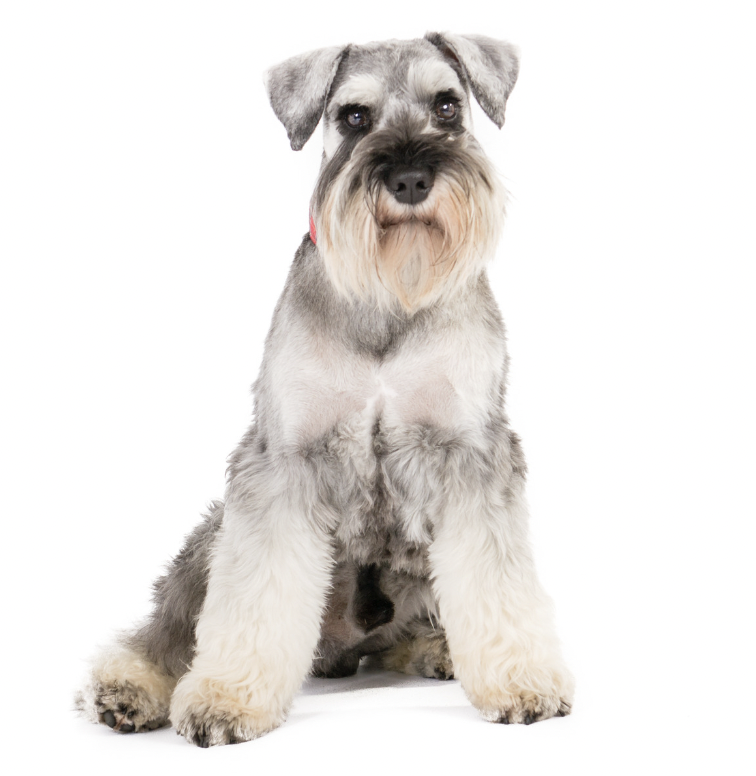
The Miniature Schnauzer is the smallest of the Schnauzer family. These dogs typically weigh between 11 to 20 pounds and stand 12 to 14 inches tall. Despite their size, they are energetic, alert, and full of personality.
Miniature Schnauzers are known for their friendly and adaptable nature. They are excellent companions for families, singles, and seniors alike. Their hypoallergenic coat is one of their standout features. Here are some key points about their coat:
- Their double coat consists of a wiry topcoat and a soft undercoat.
- They shed very little, making them a suitable choice for allergy sufferers.
- Regular grooming, including brushing and professional trimming, is essential to maintain their coat.
These small dogs are also highly trainable due to their intelligence. They excel in obedience training and enjoy activities like agility and fetch. Their playful nature makes them a great choice for families with children. Here’s a quick summary of their characteristics:
| Trait | Details |
|---|---|
| Size | 12-14 inches tall, 11-20 pounds |
| Coat | Hypoallergenic, double coat |
| Energy Level | High |
| Life Expectancy | 12-15 years |
Standard Schnauzer
The Standard Schnauzer is the original size of the breed and serves as the foundation for both the Miniature and Giant varieties. They typically weigh between 30 to 50 pounds and stand 17 to 20 inches tall. These medium-sized dogs are known for their athleticism, intelligence, and versatility.
Standard Schnauzers have a similar hypoallergenic coat to their smaller and larger counterparts. Key features of their coat include:
- A dense, wiry topcoat that resists shedding.
- Minimal dander compared to other breeds.
- Regular grooming needs, including weekly brushing and periodic hand-stripping or clipping.
In addition to being hypoallergenic, Standard Schnauzers are highly protective and make excellent watchdogs. They are loyal and form strong bonds with their families. These traits make them suitable for active households. Standard Schnauzers thrive when given plenty of physical and mental stimulation. Here’s a snapshot of their key traits:
| Trait | Details |
|---|---|
| Size | 17-20 inches tall, 30-50 pounds |
| Coat | Hypoallergenic, wiry double coat |
| Energy Level | Moderate to High |
| Life Expectancy | 13-16 years |
Giant Schnauzer
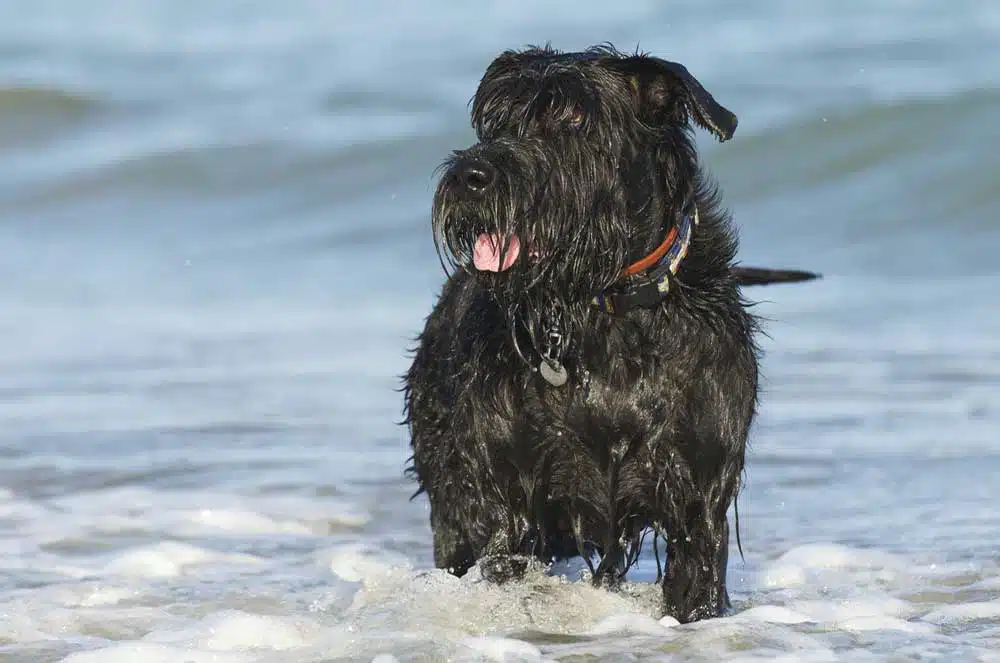
The Giant Schnauzer is the largest of the Schnauzer breeds. They are powerful, energetic, and highly intelligent dogs. These giants typically weigh 55 to 85 pounds and stand 23.5 to 27.5 inches tall. Despite their size, they are known for their affectionate and loyal nature.
Just like their smaller relatives, Giant Schnauzers have a hypoallergenic coat. Here’s what sets their coat apart:
- A thick, coarse outer coat and a softer undercoat.
- Minimal shedding, which can reduce allergy triggers.
- Frequent grooming is required to keep their coat healthy and tangle-free.
Giant Schnauzers are ideal for experienced dog owners who can provide consistent training and exercise. They are highly trainable and excel in roles such as guarding, herding, and even therapy work. These dogs require plenty of room to roam and benefit greatly from an active lifestyle. Below is a summary of their characteristics:
| Trait | Details |
|---|---|
| Size | 23.5-27.5 inches tall, 55-85 pounds |
| Coat | Hypoallergenic, thick double coat |
| Energy Level | High |
| Life Expectancy | 10-12 years |
Credit: www.lucypetproducts.com
Hypoallergenic Traits
Are you wondering if Schnauzers are hypoallergenic dogs? While no dog is 100% hypoallergenic, Schnauzers are often considered a suitable option for allergy-sensitive individuals. This is due to specific traits that may reduce allergen exposure. Let’s explore these hypoallergenic traits in detail to understand what makes Schnauzers an excellent choice for many households.
Coat Type
Schnauzers have a unique double-layered coat that sets them apart. The outer coat is wiry and coarse, while the undercoat is soft and dense. This texture helps trap loose hair and dander, reducing the amount that spreads around your home.
Unlike breeds with shedding coats, Schnauzers shed very little. Their hair grows continuously, similar to human hair, which means they require regular grooming. This trait is particularly helpful for people sensitive to allergens in fur.
Here’s a quick overview of their coat benefits:
- Minimal shedding: Reduces allergen levels in the environment.
- Traps dander: Prevents loose particles from floating in the air.
- Grooming required: Regular trimming and brushing keep allergens under control.
Professional grooming every 4-6 weeks and routine brushing at home are essential. This helps maintain their coat and keeps allergens at bay, making them a cleaner option for allergy-prone individuals.
Dander Production
Dander is one of the primary allergens that affect people sensitive to dogs. It consists of tiny skin flakes shed by all animals, including Schnauzers. The good news? Schnauzers produce less dander compared to many other breeds.
Here’s why their dander production may be more manageable:
- Low-shedding coat: Their wiry hair traps dander, preventing it from spreading.
- Smaller body size: Miniature Schnauzers, in particular, have less skin surface area, which means less dander overall.
To reduce dander further, regular baths are crucial. Aim to bathe your Schnauzer every 3-4 weeks using hypoallergenic shampoos. This not only minimizes dander but also keeps their skin healthy and moisturized.
For additional allergen control:
- Use air purifiers to filter airborne dander.
- Vacuum carpets and furniture frequently with HEPA filters.
- Wash your Schnauzer’s bedding weekly.
These practices, combined with their naturally low dander production, make Schnauzers a better choice for allergy-sensitive households.
Saliva And Allergens
While fur and dander are common allergens, saliva can also trigger reactions. Proteins found in a dog’s saliva can spread through licking or drooling and cause discomfort for allergy sufferers. Fortunately, Schnauzers are not known for excessive drooling, which is a plus for those with sensitivities.
Here are key points about Schnauzer saliva:
| Trait | Details |
|---|---|
| Drooling | Minimal drooling compared to other breeds. |
| Licking | Moderate; training can reduce licking behaviors. |
| Saliva Proteins | Contains allergens but less likely to spread due to low drooling. |
To reduce saliva-related allergens:
- Wipe your Schnauzer’s mouth after meals and playtime.
- Train them to avoid licking faces and hands.
- Wash your hands after petting or playing with them.
By managing saliva exposure and maintaining good hygiene, you can further reduce potential allergen triggers, making Schnauzers a more allergy-friendly pet.
Common Allergens
Schnauzers are often considered by allergy sufferers due to their unique coat and grooming needs. While they might be labeled as “hypoallergenic,” it’s crucial to understand the role of common allergens before deciding if they’re the right fit for your household. Allergies can stem from various sources, such as dander, environmental particles, or even food. Below, we’ll explore these common allergens in detail to help you make an informed choice.
Dog Dander
Dog dander is one of the most frequent triggers for pet allergies. It consists of tiny flakes of skin that dogs shed naturally. Schnauzers are often praised for producing less dander compared to other breeds, but it doesn’t mean they are entirely free of it.
Here are some key facts about dog dander:
- All dogs, including Schnauzers, produce dander.
- Dander can stick to furniture, clothing, and carpets.
- Regular grooming helps reduce dander buildup.
To minimize exposure to dander, try the following:
- Brush your Schnauzer weekly to remove loose skin flakes.
- Use a HEPA filter in your home to trap airborne allergens.
- Clean your floors and upholstery frequently.
While Schnauzers may be lower in dander compared to some breeds, they are not 100% allergen-free. Always spend time with the breed before committing to ensure compatibility.
Pollen And Dust
Pollen and dust are environmental allergens that can worsen symptoms for sensitive individuals. Schnauzers, like all dogs, can act as carriers of these irritants. Their coat can trap pollen and dust, bringing them indoors.
Here’s how pollen and dust interact with dogs:
- Dogs pick up pollen during walks or outdoor play.
- Dust settles in their fur, especially in homes with poor ventilation.
- Frequent exposure can lead to sneezing, itchy eyes, or rashes in humans.
To reduce pollen and dust allergens:
| Tip | Description |
|---|---|
| Bathing | Wash your Schnauzer monthly to remove trapped particles. |
| Outdoor Time | Limit walks during high pollen seasons like spring. |
| Cleaning | Vacuum carpets and wipe surfaces regularly. |
While Schnauzers don’t cause pollen and dust allergies directly, they can bring these allergens into your home. Keeping their coat clean is essential.
Food Allergens
Food allergens are less common in the context of pet ownership but can still impact your household. Some dogs, including Schnauzers, may develop allergies to specific ingredients in their diet. This can result in skin irritation or excessive shedding, which might trigger allergies in humans.
Common food allergens for dogs include:
- Grains like wheat or corn.
- Proteins such as chicken or beef.
- Additives or artificial flavors.
If your Schnauzer has food allergies, you may notice:
- Red, itchy skin patches.
- Increased shedding or dandruff.
- Frequent scratching or licking.
To manage food allergens:
| Action | Benefit |
|---|---|
| Switch to hypoallergenic dog food | Reduces potential allergens in their diet. |
| Consult a veterinarian | Identifies the specific food causing the issue. |
| Monitor their diet | Prevents exposure to trigger ingredients. |
Food-related allergens often affect the dog more than the owner. Still, addressing them can improve your Schnauzer’s health and reduce secondary allergens like dander.
Schnauzers And Allergies
Schnauzers are popular dogs known for their distinctive beards and lively personalities. Many people consider them due to their reputation as a potentially hypoallergenic breed. But what does that mean for allergy sufferers? Hypoallergenic dogs are often thought to cause fewer allergic reactions, and Schnauzers are frequently mentioned in this category. Let’s explore how Schnauzers relate to allergies and whether they are a good choice for those with sensitivities.
Low Shedding
Schnauzers are considered low-shedding dogs, which makes them appealing to individuals with allergies. Unlike heavy-shedding breeds, they don’t leave large amounts of hair around the home. This can significantly reduce exposure to allergens like dander, which is often attached to pet hair.
Here are some reasons why their low shedding helps with allergies:
- Less fur in the environment: Fewer hairs mean fewer allergens spread around your home.
- Lower dander levels: With minimal shedding, dander tends to remain on the dog rather than dispersing.
- Manageable coat type: The Schnauzer’s wiry coat traps loose hair, making it easier to control during grooming.
It’s important to note that while Schnauzers shed less, no dog is entirely hypoallergenic. Allergies can vary from person to person, and reactions may depend on other factors like saliva or skin oils. Regular cleaning and grooming are essential to minimize allergens in your home.
Grooming Requirements
One key factor that makes Schnauzers more allergy-friendly is their grooming routine. Their wiry coat requires regular maintenance, which helps keep shedding and dander under control.
The grooming needs of Schnauzers include:
- Brushing: Their coat should be brushed 2-3 times a week to remove loose hairs and prevent matting.
- Trimming: Professional grooming every 6-8 weeks is ideal to maintain their iconic look and keep their coat manageable.
- Bathing: Monthly baths with hypoallergenic dog shampoo can reduce allergens and keep their skin healthy.
Grooming provides dual benefits. It not only keeps the dog looking and feeling good but also reduces allergens in the environment. For allergy sufferers, it’s recommended to groom Schnauzers outside or in a designated area to minimize allergen spread.
Investing in proper grooming tools like slicker brushes, combs, and clippers can make the process easier. Regular grooming routines can also strengthen the bond between you and your Schnauzer, offering a win-win scenario for both.
Health Considerations
While Schnauzers are generally healthy dogs, certain health issues can influence how allergy-friendly they are. For example, skin conditions can increase dander production, making allergies worse. Regular vet check-ups are essential to ensure their skin and coat remain in good condition.
Here are some common health considerations:
| Health Issue | Impact on Allergies |
|---|---|
| Skin Allergies | Can cause excessive scratching and lead to more dander. |
| Dry Skin | May increase flaking, which adds to allergens in the home. |
| Obesity | Can lead to poor coat condition and exacerbate skin problems. |
Feeding a balanced diet rich in Omega-3 fatty acids can promote a healthy coat and reduce shedding. In addition, keeping your Schnauzer active and well-groomed can prevent many of these issues. Addressing any health concerns early can help maintain an allergy-friendly environment for both you and your pet.
Choosing A Schnauzer
Are you considering a Schnauzer as your next furry companion? These intelligent and charming dogs are loved for their unique looks and loyal personalities. But are Schnauzers hypoallergenic? While no dog is completely hypoallergenic, Schnauzers are often recommended for allergy sufferers due to their low-shedding coats. Choosing a Schnauzer involves more than just liking their appearance—it’s about ensuring they fit your lifestyle, managing allergies effectively, and understanding the adoption process. Let’s explore these aspects in detail.
Lifestyle Compatibility
Before bringing a Schnauzer home, evaluate whether their personality and needs align with your lifestyle. Schnauzers come in three sizes—Miniature, Standard, and Giant—each with unique traits that may suit different households.
Here’s what to consider:
- Activity Level: Schnauzers are energetic dogs. They require daily exercise, such as brisk walks or playtime.
- Living Space: Miniature Schnauzers adapt well to apartments, while Standard and Giant Schnauzers may need more space.
- Time Commitment: They thrive on interaction. Loneliness can lead to behavioral issues like barking or chewing.
- Family Friendly: Schnauzers are great with children but need socialization to get along with other pets.
Use the table below to understand the key differences between Schnauzer sizes:
| Size | Weight | Ideal for |
|---|---|---|
| Miniature | 11-20 lbs | Small spaces and families with kids |
| Standard | 35-50 lbs | Active families with moderate space |
| Giant | 60-85 lbs | Experienced dog owners with large spaces |
Choose a Schnauzer whose size and activity needs align with your home and schedule. Proper alignment ensures a happy and fulfilling relationship.
Allergy Testing
If allergies are a concern, testing is essential before committing to a Schnauzer. While Schnauzers are known to produce less dander, individual allergies can vary significantly.
Steps to identify compatibility:
- Visit the Breeder or Shelter: Spend time with Schnauzers to gauge your reaction.
- Consult an Allergist: Request an allergy test specific to dog dander.
- Trial Period: Some shelters offer trial adoptions. This allows you to monitor symptoms.
Be aware of common allergy symptoms, such as sneezing, itchy eyes, or skin irritation. To minimize allergens, groom your Schnauzer regularly and clean your home frequently. Use HEPA filters to improve air quality.
If possible, choose a Schnauzer with a well-maintained coat, as grooming reduces dander and shedding. Communicate with breeders or shelters about your allergies—they may have additional recommendations for you.
Adoption Tips
Adopting a Schnauzer is a rewarding experience. Whether you choose a breeder or a shelter, preparation ensures a smoother transition.
Follow these tips:
- Research Reputable Sources: Find ethical breeders or certified rescue organizations.
- Ask Questions: Inquire about the dog’s health, vaccination history, and temperament.
- Meet the Dog First: Ensure the Schnauzer’s personality fits your expectations and family dynamics.
- Prepare Your Home: Create a comfortable space with essentials like a bed, food, and toys.
Adopting from a shelter often gives a second chance to a Schnauzer in need. Many rescue organizations specialize in Schnauzers, offering detailed information about the dog’s background.
When adopting, be patient during the adjustment period. Schnauzers are intelligent but may need time to adapt to their new environment. Consistent care, training, and affection will help your new companion feel at home.

Credit: www.aspcapetinsurance.com
Other Hypoallergenic Breeds
Many people searching for hypoallergenic dogs want pets that won’t trigger allergies. Schnauzers are often mentioned because their coats produce less dander compared to other breeds. But they aren’t the only option. There are other popular breeds that are great for allergy sufferers. Below are some excellent alternatives that are known for their hypoallergenic qualities.
Poodle
Poodles are one of the most recognized hypoallergenic dog breeds. Their curly coat traps allergens like dander and prevents them from spreading in the home. This feature makes them ideal for families with allergies.
Here are some reasons why Poodles are a great option:
Their fur grows continuously, reducing allergens in the air. Available in Toy, Miniature, and Standard sizes to suit different living spaces. They are easy to train and adapt well to routines.
Below is a quick comparison of Poodle sizes:
| Size | Weight | Height |
|---|---|---|
| Toy Poodle | 4-6 pounds | Up to 10 inches |
| Miniature Poodle | 10-15 pounds | 10-15 inches |
| Standard Poodle | 40-70 pounds | Over 15 inches |
Regular grooming is essential to keep their coat clean and free of allergens. They need consistent brushing and professional trims every few months.
Bichon Frise
The Bichon Frise is another hypoallergenic breed that’s perfect for allergy-sensitive homes. Their soft, curly coat doesn’t shed much, which reduces dander and allergens.
Here’s what makes Bichon Frises unique:
They are small, making them ideal for apartment living. Known for being friendly and playful. Their coat doesn’t hold strong smells.
To maintain their hypoallergenic properties, regular grooming is a must. Frequent brushing prevents tangles and keeps allergens under control.
Below are some quick facts about the Bichon Frise:
| Characteristic | Details |
|---|---|
| Weight | 12-18 pounds |
| Height | 9.5-11.5 inches |
| Lifespan | 12-15 years |
Bichon Frises are great companions for families and singles alike. They thrive on attention and love spending time with their owners.
Portuguese Water Dog
Portuguese Water Dogs are another excellent hypoallergenic choice. They have a dense, curly coat that minimizes shedding and holds allergens at bay.
Why choose a Portuguese Water Dog?
They are active and love outdoor activities. Perfect for swimming and water sports. Known for forming strong bonds with their families.
Below is a quick overview of their characteristics:
| Characteristic | Details |
|---|---|
| Weight | 35-60 pounds |
| Height | 17-23 inches |
| Lifespan | 10-14 years |
Portuguese Water Dogs require regular grooming to keep their coat healthy and allergen-free. Brushing several times a week and occasional trims help maintain their hypoallergenic properties.
Living With Schnauzers
Schnauzers are a popular breed known for their intelligence, loyalty, and unique appearance. Many people wonder if they are hypoallergenic dogs. While no dog is completely hypoallergenic, Schnauzers are often considered a good choice for allergy sufferers due to their low-shedding coat. Living with Schnauzers can be a joy, but it’s essential to prepare your home and manage allergens effectively to ensure a comfortable environment for everyone.
Home Preparation
Preparing your home for a Schnauzer is important, especially if allergies are a concern. Their wiry coat tends to trap dander, so creating a clean, organized environment can help reduce allergens.
- Choose furniture with washable covers. This makes cleaning easier and removes trapped pet dander.
- Invest in a high-quality air purifier. Look for one with a HEPA filter to trap airborne allergens.
- Designate dog-friendly areas in your home. Keep your Schnauzer off upholstered furniture and out of bedrooms to reduce allergen exposure.
Avoid carpeted floors if possible, as they can hold onto pet hair and dander. If replacing flooring isn’t an option, use washable rugs that can be cleaned regularly. Lastly, keep a designated grooming station to minimize loose hair and dander spreading throughout the house.
Cleaning Tips
Regular cleaning can significantly reduce allergens in your home. Schnauzers may not shed much, but their dander can still cause reactions. Adopt a consistent cleaning routine to keep your home allergen-free.
- Vacuum with a vacuum cleaner equipped with a HEPA filter. This ensures pet hair and dander are effectively removed.
- Wash your Schnauzer’s bedding weekly. Use hot water to eliminate allergens.
- Dust surfaces frequently. Use a damp cloth to prevent allergens from becoming airborne.
Grooming your Schnauzer regularly is also essential. Brush their coat to reduce loose hair and bathe them once a month with a mild, hypoallergenic shampoo. Keeping their coat clean helps minimize dander buildup.
| Task | Frequency |
|---|---|
| Vacuuming | 2-3 times per week |
| Washing pet bedding | Weekly |
| Dusting surfaces | Every other day |
Managing Allergies
Managing allergies while living with a Schnauzer requires a proactive approach. Even though their coat is low-shedding, allergens can still accumulate in your home.
- Consult an allergist for personalized advice. Allergy tests can help you identify triggers.
- Take over-the-counter antihistamines as recommended by your doctor to reduce symptoms.
- Practice good hygiene. Wash your hands after petting your Schnauzer and avoid touching your face.
Consider creating an allergen-free zone in your home. This can be a bedroom or office where your Schnauzer isn’t allowed. Use allergen-proof covers for pillows and mattresses to further reduce exposure. If allergies persist, working with a professional dog trainer to teach your Schnauzer boundaries can help keep them out of sensitive areas.
Living with a Schnauzer is rewarding, and by managing allergens effectively, you can enjoy their companionship while maintaining a healthy environment.
Credit: rockykanaka.com
Frequently Asked Questions
Are Schnauzers Good For Allergy Sufferers?
Schnauzers are considered good for allergy sufferers due to their low-shedding, hypoallergenic coat. Regular grooming minimizes allergens.
What Is The Most Hypoallergenic Dog Breed?
The Poodle is considered one of the most hypoallergenic dog breeds. Its curly coat minimizes shedding and dander, reducing allergies.
What Are The Cons From A Schnauzer?
Schnauzers can be stubborn, requiring consistent training. They may bark frequently and need regular grooming. High energy levels demand daily exercise.
Is A Standard Schnauzer Hypoallergenic?
Yes, standard schnauzers are considered hypoallergenic. They shed minimally and produce less dander, making them suitable for allergy sufferers.
Conclusion
Schnauzers can be a good choice for allergy-sensitive dog lovers. Their low-shedding coats may reduce allergens compared to other breeds. Regular grooming and cleaning can help manage dander in your home. It’s important to remember that no dog is 100% hypoallergenic.
Spending time with a Schnauzer before adopting can help test your allergies. Every person’s reaction to allergens is different. Always consult your doctor for advice if you have severe allergies. With proper care and attention, Schnauzers can make wonderful companions for many families.