

Are you dreaming of bringing a Scottish Terrier into your home but worried about allergies? You’re not alone.
Are scottish terriers hypoallergenic? Many people love the idea of having a dog but hesitate because of sneezing fits, itchy eyes, or other allergy symptoms. If that sounds like you, you’re probably asking the big question: “Are Scottish Terriers hypoallergenic? ” This little dog with its bold personality and iconic appearance might seem like the perfect fit, but is it safe for allergy sufferers?
Stick around, because we’ll break down what “hypoallergenic” really means, whether Scotties live up to that label, and what you can do to minimize allergens in your home. By the end, you’ll have the clarity you need to decide if this feisty, lovable breed is right for you. Ready to find out? Let’s dive in!

Credit: www.petbarn.com.au
What Are Hypoallergenic Dogs?
Many dog lovers want a furry friend but worry about allergies. This is where the term “hypoallergenic dogs” sparks interest. Scottish Terriers are often discussed in this context. But what does being hypoallergenic mean, and do these adorable dogs fall into that category? Let’s explore the concept of hypoallergenic dogs and what it entails.
What Does Hypoallergenic Mean?
The word “hypoallergenic” refers to something less likely to cause an allergic reaction. In the case of dogs, it means breeds that may produce fewer allergens. This can be ideal for people sensitive to pet dander or saliva.
It is important to note that no dog is completely allergy-free. Hypoallergenic breeds simply reduce the chance of triggering allergies. This can make living with a dog more manageable for some allergy sufferers.
Why Do Dogs Trigger Allergies?
Allergies are often caused by proteins found in a dog’s dander, saliva, and urine. Dander, which consists of tiny skin flakes, is the most common allergen. Dogs with heavy shedding coats tend to release more dander into the environment.
Hypoallergenic dogs are typically low-shedding breeds. Their coats trap dander, preventing it from spreading as much. This characteristic makes them a better choice for those with mild allergies.
Characteristics Of Hypoallergenic Dogs
| Characteristic | Description |
|---|---|
| Low-Shedding Coats | These dogs shed very little, reducing airborne dander. |
| Tight, Curly Fur | Coats like this trap allergens, keeping them contained. |
| Smaller Size | Smaller dogs produce fewer allergens due to their size. |
| Regular Grooming Needs | Frequent grooming keeps dander levels low. |
Can Any Dog Be Fully Hypoallergenic?
The short answer is no. Even breeds labeled as hypoallergenic may still cause reactions in highly sensitive people. Allergy levels depend on the individual and their tolerance to allergens.
Some people may live comfortably with certain breeds, while others may still experience symptoms. Spending time with a dog before adoption can help determine compatibility.
Scottish Terrier Characteristics
Scottish Terriers, often affectionately called “Scotties,” are small, sturdy dogs with a big personality. Known for their confident and independent nature, they are a favorite among dog lovers. One of their most defining features is their unique coat, which plays a role in their perceived hypoallergenic qualities. To understand whether Scottish Terriers are hypoallergenic, it’s essential to explore their characteristics, starting with their coat and shedding patterns.
Coat Type
Scottish Terriers have a distinct double coat that sets them apart from many other breeds. Their outer coat is wiry and hard, while the undercoat is soft and dense. This dual-layered coat serves as protection from harsh weather, keeping them comfortable in different climates.
Here are some key features of a Scottish Terrier’s coat:
- Wiry Texture: The outer coat is coarse, which helps repel dirt and debris.
- Dense Undercoat: The soft undercoat provides insulation, keeping them warm during colder months.
- Low Odor: Unlike some breeds, their coat tends to have a lower natural odor.
To maintain their coat, regular grooming is essential. This includes brushing at least two to three times a week to prevent matting and tangles. Many owners also choose to have their Scotties professionally hand-stripped, a grooming technique that removes dead hair from the outer coat. This process helps retain the coat’s texture and ensures healthy regrowth.
Proper grooming not only keeps their coat in top condition but also minimizes allergens. Since allergens are often found in dander, regular grooming reduces the amount of dander released into the environment, making Scottish Terriers more manageable for allergy sufferers.
Shedding Patterns
Scottish Terriers are considered low-shedding dogs, which is one reason they are often labeled as hypoallergenic. Their double coat sheds minimally compared to other breeds, making them a suitable choice for individuals with mild allergies. However, it’s important to note that no dog is completely non-shedding.
Let’s break down their shedding patterns:
- Seasonal Shedding: While Scotties shed less, they may experience slight shedding during seasonal changes.
- Controlled Shedding: Regular grooming and hand-stripping help control loose hair and maintain their coat’s health.
- Low Dander Release: Their low shedding reduces the amount of dander spread in the home.
The table below highlights the shedding comparison between Scottish Terriers and other popular breeds:
| Breed | Shedding Level | Grooming Needs |
|---|---|---|
| Scottish Terrier | Low | Moderate to High |
| Golden Retriever | High | Moderate |
| Beagle | Moderate | Low |
Scottish Terriers’ shedding is minimal, but they still require attention. Brushing their coat regularly helps capture loose hair before it ends up on furniture or clothes. This routine also reduces the spread of allergens, benefitting owners with sensitivities.
Allergies And Dog Breeds
Are you wondering if Scottish Terriers are hypoallergenic? Understanding allergies and dog breeds can help you make an informed decision. Allergies are common among pet owners. Dogs shed dander, saliva, and fur that may trigger allergic reactions. While no dog is completely hypoallergenic, some breeds produce fewer allergens. Scottish Terriers are often considered low-allergen dogs. Let’s explore common allergens and how dog dander plays a role in allergies.
Common Allergens
Allergens are substances that cause allergic reactions in sensitive individuals. Dog-related allergens are often found in their saliva, urine, and skin cells (dander). These allergens can linger in the air or settle on surfaces. For people with pet allergies, exposure can lead to symptoms like sneezing, itchy eyes, and skin irritation.
Here are the most common dog-related allergens:
- Dog Saliva: Dogs lick themselves and objects around them. Their saliva contains proteins that may trigger allergies.
- Urine Proteins: Dog urine is another source of allergens, especially during potty training phases.
- Dander: Tiny skin flakes that dogs shed can cause allergic reactions. Dander is often invisible to the naked eye.
Scottish Terriers shed less fur compared to other breeds. This might lower the spread of allergens like dander and fur. While this helps, it’s essential to note that individual reactions to allergens vary. Allergy sufferers should spend time with the breed before adopting.
Here’s a table summarizing common dog allergens:
| Allergen Type | Description |
|---|---|
| Saliva | Contains allergy-triggering proteins. |
| Urine | Proteins in urine can cause reactions. |
| Dander | Tiny skin flakes shed by dogs. |
Dog Dander
Dog dander is one of the primary culprits for pet allergies. These microscopic skin flakes are easy to inhale and can stick to clothing, furniture, and carpets. Unlike fur, dander is nearly invisible. It can remain in homes long after a dog is gone.
Scottish Terriers are known for their wiry coat, which sheds less compared to other breeds. This reduces the amount of dander they spread. Their dense double coat traps dander, preventing it from floating freely in the air. Regular grooming further minimizes dander release.
Here are some tips to manage dog dander:
- Brush your dog weekly to remove loose skin flakes.
- Vacuum your home frequently using a vacuum with a HEPA filter.
- Use air purifiers to reduce airborne allergens.
- Wash your dog’s bedding often to remove trapped dander.
- Bathe your dog monthly using hypoallergenic shampoos.
Even though Scottish Terriers shed less dander, allergy sufferers might still experience symptoms. Testing your reaction to the breed before adoption is a good idea. Allergy-friendly practices can make life with a Scottish Terrier more comfortable.
Credit: articles.hepper.com
Scottish Terriers And Allergies
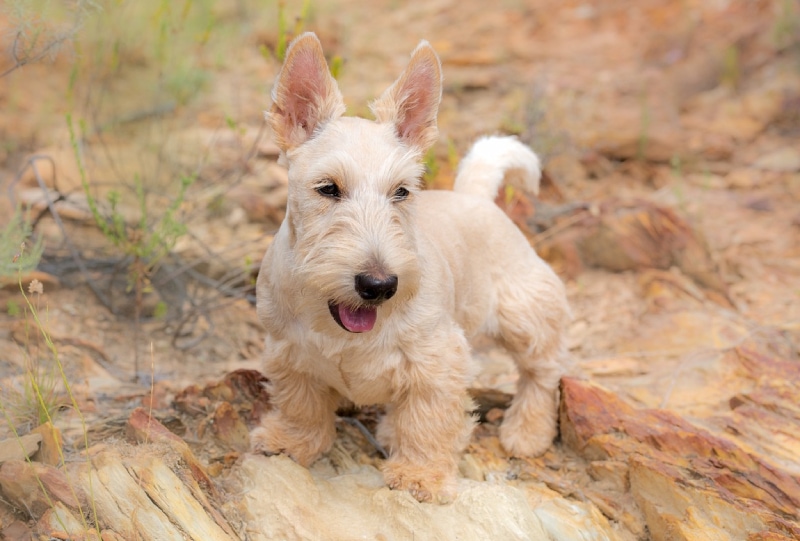
Scottish Terriers, often called “Scotties,” are adored for their loyalty, intelligence, and distinctive appearance. For allergy sufferers, owning a dog can sometimes be challenging. This raises the question—are Scottish Terriers hypoallergenic? While no dog is truly hypoallergenic, Scotties are often mentioned as a breed that might be suitable for people with mild allergies. Let’s explore their traits and hear from owners who live with these charming dogs.
Hypoallergenic Traits
Scottish Terriers possess certain traits that make them a better choice for allergy sufferers compared to other breeds. Their coat plays a significant role in this. Here’s why:
- Low shedding: Scotties shed very little compared to high-shedding breeds. This reduces the spread of dander in the home.
- Hard, wiry coat: Their double coat traps loose hair and dander, preventing it from becoming airborne.
- Minimal saliva allergens: While all dogs produce saliva allergens, Scotties are not known for excessive drooling, which can help reduce exposure.
It’s important to note that allergens are not only found in fur but also in dander, saliva, and urine. Regular grooming can help minimize allergens further. Here’s a simple table summarizing their hypoallergenic traits:
| Trait | Impact on Allergies |
|---|---|
| Shedding | Low, reduces dander spread |
| Coat Type | Wiry, traps loose hair |
| Saliva | Minimal allergens due to low drooling |
Proper grooming routines are essential for keeping allergens in check. Brush their coat weekly, and bathe them as needed to remove any trapped dander or loose hair. A clean dog means a cleaner home and fewer allergy triggers.
Owner Experiences
Many Scottish Terrier owners with mild allergies report positive experiences. While individual reactions vary, some have found these dogs to be manageable companions despite their sensitivities. Here are a few common observations shared by owners:
- Regular grooming significantly reduces allergic reactions.
- Keeping living spaces clean helps control allergens.
- Spending time outdoors with the dog minimizes indoor allergen buildup.
One owner shared, “I have mild allergies, but my Scottie hasn’t caused any major issues. Weekly brushing and vacuuming make a huge difference.” Another said, “As long as I bathe him monthly and wipe him down after walks, I’m fine.”
Some owners recommend investing in air purifiers. These devices help filter out pet dander and keep the air clean. Others suggest creating pet-free zones in the house, like bedrooms, to reduce exposure further.
Overall, many Scottie owners with allergies emphasize the importance of maintenance. With a bit of effort, they’ve managed to enjoy the companionship of their beloved dogs without significant discomfort. Their experiences highlight how this breed can be a suitable option for those with mild allergies.
Grooming And Maintenance
Scottish Terriers, often called Scotties, are a charming breed known for their distinctive look and independent nature. While no dog is completely hypoallergenic, Scotties are considered more allergy-friendly due to their wiry coat, which sheds less dander compared to other breeds. To maintain their coat and minimize potential allergens, proper grooming and regular maintenance are essential. This guide covers essential grooming tips, including regular upkeep and bathing techniques, to keep your Scottish Terrier looking healthy and comfortable.
Regular Grooming
Scottish Terriers have a double coat with a wiry outer layer and a soft undercoat. Regular grooming helps maintain this unique texture and keeps shedding under control. It also reduces dander, which is a common allergen.
Here’s how you can manage your Scottie’s grooming routine effectively:
- Brushing: Brush your Scottie’s coat at least 2-3 times a week. Use a slicker brush or a metal comb to remove tangles and prevent matting.
- Trimming: Trim their coat every 6-8 weeks to maintain its signature shape. Professional grooming is recommended for a neat finish.
- Ear Cleaning: Check their ears weekly for dirt or wax buildup. Use a vet-approved ear cleaner to prevent infections.
- Nail Clipping: Clip their nails every 3-4 weeks. Long nails can cause discomfort and impact their posture.
For a quick reference, here’s a grooming schedule for Scottish Terriers:
| Grooming Task | Frequency |
|---|---|
| Brushing | 2-3 times per week |
| Trimming | Every 6-8 weeks |
| Ear Cleaning | Weekly |
| Nail Clipping | Every 3-4 weeks |
Regular grooming not only keeps your Scottie looking sharp but also supports their overall health. Plus, it’s a great way to bond with your furry friend!
Bathing Tips
Bathing is another crucial part of a Scottish Terrier’s grooming routine. These dogs don’t require frequent baths, but an occasional wash ensures their coat stays clean and healthy. Overbathing can strip their coat of natural oils, so it’s important to strike the right balance.
Follow these tips for an effective bathing routine:
- Choose the Right Shampoo: Use a dog shampoo specifically formulated for wiry coats. Hypoallergenic shampoos are a good choice to minimize skin irritation and allergens.
- Brush Before Bathing: Always brush your Scottie before a bath to remove loose hair and tangles.
- Use Lukewarm Water: Make sure the water temperature is warm but not hot. This prevents discomfort and keeps their skin safe.
- Rinse Thoroughly: Rinse out all shampoo to prevent residue. Leftover shampoo can irritate their skin.
- Dry Properly: Pat their coat with a towel and use a low-heat blow dryer if needed. Ensure their coat is completely dry to avoid matting.
Scotties typically need a bath every 4-6 weeks, depending on their activity level and the condition of their coat. If they get dirty or start to smell, it’s time for a bath.
Here’s a quick checklist for a successful bath:
- Brush their coat before the bath.
- Use a non-slip mat in the tub to keep them stable.
- Protect their ears by gently placing cotton balls inside (optional).
- Keep bath sessions calm and positive to reduce stress.
By following these bathing tips, you’ll keep your Scottish Terrier clean, comfortable, and looking their best!
Choosing The Right Dog
Choosing the right dog involves more than just picking a breed based on appearance or reputation. For allergy sufferers, it’s essential to consider how a dog’s coat, dander, and overall grooming needs might affect their health. Scottish Terriers, often considered hypoallergenic, are a popular choice for many. But before bringing one home, it’s crucial to evaluate your specific needs and sensitivities.
Allergy Testing
Before deciding on a Scottish Terrier, conducting an allergy test can help you understand your sensitivity to dog allergens. Allergies are often triggered by proteins found in a dog’s skin flakes (dander), saliva, or urine. Scottish Terriers are believed to produce less dander, making them a potential option for those with mild allergies. However, individual reactions can vary.
To ensure a safe choice, consider these steps:
- Visit an allergist for a professional allergy test.
- Request tests specific to dog allergens.
- Evaluate your reaction to different breeds, including Scottish Terriers.
Some allergists may recommend exposure tests, where you interact with a dog under controlled conditions. Alternatively, you can spend time with a Scottish Terrier to observe any reactions. If symptoms like sneezing, itchy eyes, or skin irritation occur, this could indicate sensitivity.
Here’s a brief comparison of common allergens associated with dogs:
| Allergen Source | Impact on Allergies | Scottish Terrier Suitability |
|---|---|---|
| Dander | Can trigger sneezing and skin irritation | Low production, suitable for mild allergies |
| Saliva | May cause reactions with direct contact | Manageable with proper grooming |
| Coat Shedding | Can spread allergens in the home | Minimal shedding, good for allergy control |
By identifying your triggers, you’ll make an informed decision about whether a Scottish Terrier is right for your home.
Meeting The Breed
Before adopting, meeting a Scottish Terrier in person can provide valuable insights. Their compact size, distinct wiry coat, and lively temperament make them unique, but it’s important to determine how well they fit into your lifestyle. Spend time with the breed to assess compatibility.
Here are some tips for meeting the breed:
- Visit local breeders or shelters to interact with Scottish Terriers.
- Observe their grooming needs, as their coat requires regular maintenance.
- Pay attention to their energy levels and how they respond to strangers.
- Ask about their behavior traits, such as independence and loyalty.
Scottish Terriers are known for their bold personality and strong sense of loyalty. They thrive in environments where they receive consistent attention and proper care. If you have children or other pets, evaluate how the breed interacts with them. Some Scottish Terriers may prefer quieter households.
Here’s a quick overview of Scottish Terrier traits:
| Trait | Description |
|---|---|
| Coat Type | Wiry, requires regular grooming |
| Size | Small, typically 18-22 pounds |
| Temperament | Independent, loyal, sometimes reserved |
| Energy Level | Moderate, enjoys daily walks |
Meeting the breed helps you understand their grooming needs and personality. This hands-on experience will guide you in choosing a dog that matches your preferences and health requirements.
Credit: www.cavernkennels.com
Frequently Asked Questions
What Are The Downsides Of Scottish Terriers?
Scottish Terriers can be stubborn, challenging to train, and reserved with strangers. They may have strong prey drives and require firm leadership. Grooming needs are high due to their dense coat. They can be territorial, prone to barking, and not ideal for homes with small pets.
What Is The Most Hypoallergenic Terrier?
The Bedlington Terrier is often considered the most hypoallergenic terrier. Its curly coat produces less dander, reducing allergens.
Do Scottish Terriers Shed A Lot?
Scottish Terriers shed minimally. Their wiry double coat reduces shedding but requires regular grooming to prevent matting and maintain cleanliness.
Are Scottish Terriers Yappy?
Scottish Terriers are not typically yappy dogs. They tend to be calm and reserved but will bark to alert or protect.
Conclusion
Scottish Terriers are not completely hypoallergenic, but they shed less hair. Their wiry coat may produce fewer allergens compared to other breeds. Regular grooming can help reduce dander and hair in your home. Spending time with a Scottish Terrier before adopting one is a smart choice.
Everyone reacts differently to allergens, so testing is key. If allergies are a concern, consult a doctor or allergist first. Scottish Terriers can make loving companions for the right families. Understanding their needs helps ensure a happy, healthy relationship. Choose wisely to create a comfortable environment for both you and your pet.