

**Miniature Goldendoodle Hypoallergenic: The Perfect Pup for Allergy Sufferers**
Are you dreaming of a cuddly, playful dog but worried about sneezing fits or itchy eyes? You’re not alone.
If you’ve been searching for a furry friend that won’t trigger your allergies, the miniature Goldendoodle might just be the answer you’ve been looking for. Known for their adorable looks and friendly personalities, these little pups are often praised for being hypoallergenic.
But is that really true? We’ll uncover what makes the miniature Goldendoodle a favorite among allergy sufferers, what “hypoallergenic” really means, and why this breed might fit seamlessly into your life. Whether you’re a first-time dog owner or looking to add a new member to your family, stick around. You’re about to discover why this pint-sized, allergy-friendly pup has captured so many hearts—and why it could capture yours too.
What Is A Miniature Goldendoodle?
The Miniature Goldendoodle is a charming and lovable dog breed that has gained immense popularity among pet lovers. Known for their friendly demeanor, intelligence, and low-shedding coats, these dogs are often described as ideal companions. But what exactly is a Miniature Goldendoodle, and why are they so special? Let’s take a closer look at this adorable crossbreed.
A Miniature Goldendoodle is a crossbreed between a Golden Retriever and a Miniature Poodle. This combination results in a dog that inherits the best traits of both breeds—loyalty, intelligence, and a hypoallergenic coat. They are smaller in size compared to standard Goldendoodles, making them perfect for families with limited space or those who prefer a more compact pet.
Miniature Goldendoodles are often praised for their adaptability and loving nature. These dogs thrive in different environments, whether it’s an apartment or a large house with a backyard. With their friendly personality and playful energy, they are a favorite among families, singles, and even seniors.
Physical Characteristics Of Miniature Goldendoodles
| Feature | Description |
|---|---|
| Size | Small to medium; typically 15-35 pounds |
| Height | 13-20 inches at the shoulder |
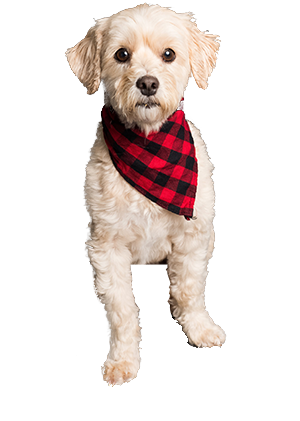
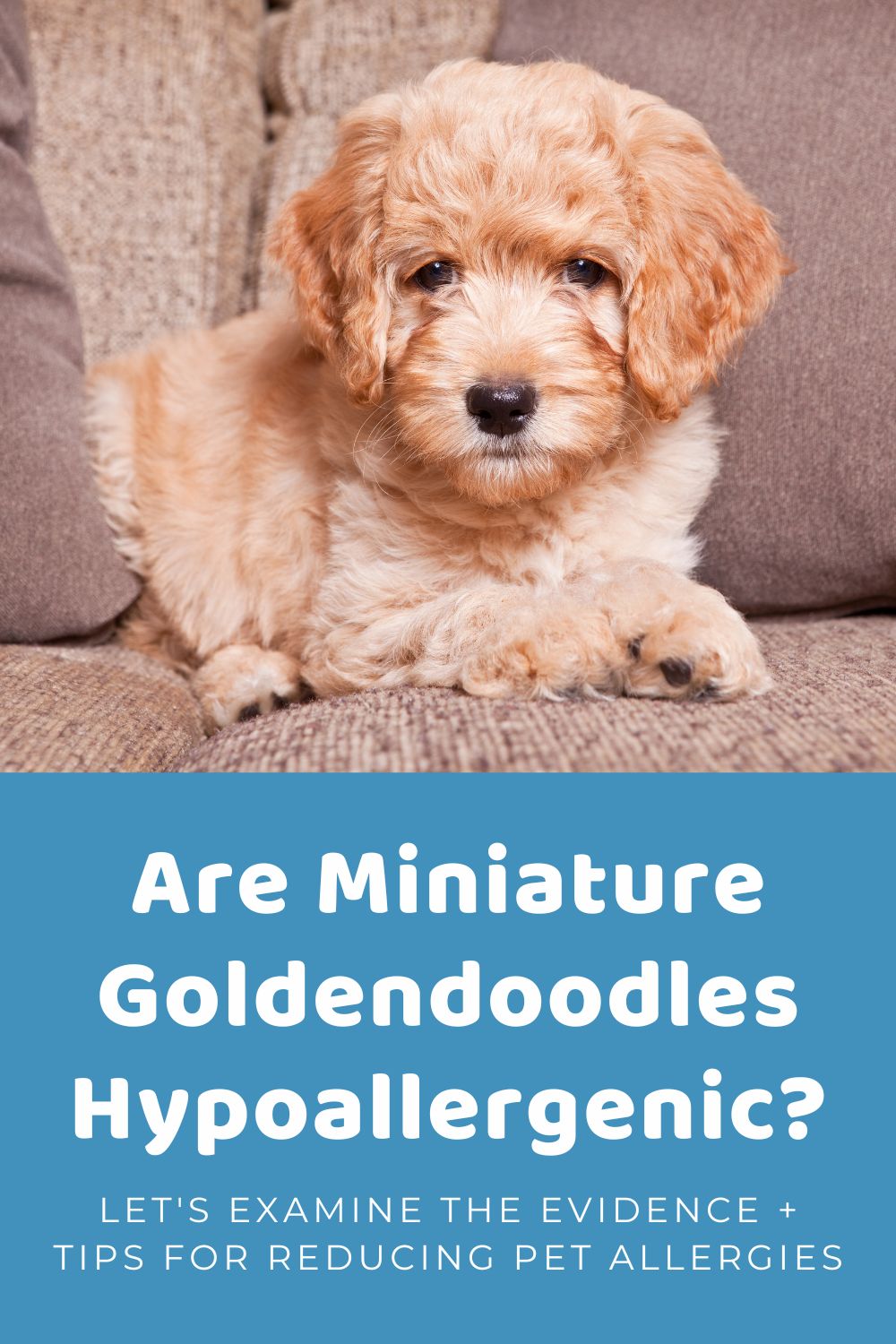
| Coat | Wavy or curly, often low-shedding |
| Colors | Various shades including cream, gold, apricot, and red |
Why Are Miniature Goldendoodles Considered Hypoallergenic?
Many people choose Miniature Goldendoodles because of their hypoallergenic qualities. While no dog is completely hypoallergenic, these dogs shed very little, which reduces allergens in the home. Their Poodle lineage is the reason for their curly or wavy coat, which traps dander instead of releasing it into the air. This makes them an excellent choice for individuals with mild allergies.
Regular grooming is essential to maintain their hypoallergenic coat. Brushing their fur several times a week helps prevent tangles and keeps shedding to a minimum. Professional grooming every 6-8 weeks also ensures their coat stays healthy and clean.
Temperament And Personality
Miniature Goldendoodles are known for their affectionate and friendly nature. They are highly social dogs that enjoy being around people and other pets. Their Golden Retriever side makes them loyal and eager to please, while their Poodle ancestry adds intelligence and playfulness.
- Family-friendly: They are gentle with children and make excellent family pets.
- Intelligent: These dogs are quick learners and respond well to training.
- Energetic: They love outdoor activities but are equally happy to relax at home.
Is A Miniature Goldendoodle Right For You?
Miniature Goldendoodles are suitable for many types of households. Their small size and hypoallergenic coat make them ideal for allergy sufferers. Their friendly nature and intelligence mean they adapt well to different lifestyles. Whether you need a companion for your morning jog or a cuddly friend for quiet evenings, the Miniature Goldendoodle fits the bill.
Hypoallergenic Traits
The Miniature Goldendoodle is a popular choice for families, especially those with allergy concerns. Known for their friendly temperament and adorable looks, they also boast certain hypoallergenic traits. These traits make them a great option for individuals sensitive to pet dander. While no dog is truly 100% hypoallergenic, the Miniature Goldendoodle has specific qualities that help minimize allergic reactions. Below, we’ll explore two key hypoallergenic features: their low-shedding coat and reduced allergen production.
Low-shedding Coat
One standout feature of the Miniature Goldendoodle is its low-shedding coat. This trait is inherited from its Poodle lineage, which is known for its curly, non-shedding fur. A low-shedding coat means fewer loose hairs around your home, reducing the spread of allergens.
Here are some benefits of their low-shedding coat:
- Less hair on furniture, carpets, and clothing.
- Reduced cleanup and maintenance around the house.
- Minimized exposure to dander, which is a common allergen.
The coat type can vary depending on the genetic mix. Miniature Goldendoodles typically have one of these three coat types:
| Coat Type | Description | Shedding Level |
|---|---|---|
| Curly | Tight, Poodle-like curls, ideal for allergy sufferers. | Very low |
| Wavy | Loose waves, a mix of Golden Retriever and Poodle traits. | Low |
| Straight | Flat, Retriever-like fur, less common. | Moderate |
Regular grooming is essential to maintain their coat and further reduce allergens. Brushing a few times a week helps remove dead hair and dander, keeping their coat healthy and clean.
Reduced Allergens
In addition to their low-shedding coat, Miniature Goldendoodles are known to produce fewer allergens than many other breeds. Allergic reactions to dogs are often caused by proteins found in a dog’s saliva, skin cells (dander), and urine. The Miniature Goldendoodle’s unique genetics help minimize these allergens.
Here’s why they are a better choice for allergy-sensitive individuals:
- Less Dander: Their low-shedding coat traps dander instead of releasing it into the air.
- Lower Saliva Allergens: These dogs are less likely to drool excessively, reducing allergen exposure.
- Smaller Size: Their compact size means they naturally produce less dander than larger breeds.
To further reduce allergens in your home:
- Bath your Miniature Goldendoodle once every 4–6 weeks to remove allergens from their coat.
- Use a vacuum cleaner with a HEPA filter to trap pet dander.
- Wash their bedding regularly to maintain a clean environment.
While these traits make Miniature Goldendoodles more manageable for allergy sufferers, it’s always wise to spend time with the breed before bringing one home. This helps ensure compatibility with your specific allergies.
Benefits Of Miniature Goldendoodles
Miniature Goldendoodles are a delightful breed known for their hypoallergenic qualities and lovable nature. They are the perfect match for allergy-sensitive individuals who want a cuddly companion without worrying about excessive shedding or allergens. Beyond their allergy-friendly traits, Miniature Goldendoodles bring a host of benefits that make them highly sought after as family pets. From their gentle temperament to their adaptability, this breed has much to offer.
Temperament And Personality
Miniature Goldendoodles are cherished for their calm and friendly demeanor. Their temperament is a blend of the gentle nature of Golden Retrievers and the intelligence of Poodles. This combination makes them ideal for households that value companionship and affection.
Here are some standout traits of their personality:
- Loyal: Miniature Goldendoodles form strong bonds with their owners and thrive on human interaction.
In addition to their easy-going nature, Miniature Goldendoodles are known for being excellent with other pets. They rarely show aggression, making them a harmonious addition to multi-pet homes.
Below is a table summarizing their temperament and personality traits:
| Trait | Description |
|---|---|
| Loyal | Forms deep emotional connections with owners |
| Intelligent | Quick to learn and eager to please |
| Playful | Enjoys fun activities and games |
| Adaptable | Fits well in various living environments |
Family-friendly Nature
Miniature Goldendoodles are an excellent choice for families due to their affectionate and gentle nature. They have a unique ability to connect with both children and adults, making them a beloved member of the household.
Why are they so family-friendly? Here are key reasons:
Miniature Goldendoodles also excel in social settings. They are friendly with visitors and love being part of family gatherings. Their calm demeanor ensures they don’t get overwhelmed in busy environments.
For families with busy schedules, their adaptability is a huge plus. They can entertain themselves when needed but also love engaging with their owners. This balance makes them the perfect pet for active households or quieter homes alike.
Credit: smedia.io
Care And Maintenance
The Miniature Goldendoodle is a charming and affectionate breed, perfect for families and individuals alike. One of their most appealing traits is their hypoallergenic coat, which sheds less and causes fewer allergies. To keep your Miniature Goldendoodle healthy and happy, proper care and maintenance are essential. This includes regular grooming, a well-balanced diet, and maintaining their overall well-being. Let’s explore how to meet their needs effectively.
Grooming Needs
Miniature Goldendoodles have a wavy or curly coat, which is a mix of Poodle and Golden Retriever genetics. Their coat is often low-shedding, making them ideal for allergy sufferers. However, this type of coat requires consistent care to prevent matting and maintain its softness.
Here’s a quick guide to grooming your Miniature Goldendoodle:
- Brushing: Brush their coat at least 3-4 times a week using a slicker brush to prevent knots and tangles.
- Bathing: Bathe them every 4-6 weeks using a dog shampoo formulated for sensitive skin.
- Trimming: Schedule professional grooming every 6-8 weeks to keep their coat manageable.
- Eyes and Ears: Clean their eyes and ears weekly to avoid infections. Use a vet-approved ear cleaner.
- Nail Trimming: Trim their nails monthly or as needed to prevent overgrowth and discomfort.
Below is a quick reference table for grooming essentials:
| Task | Frequency | Tools Needed |
|---|---|---|
| Brushing | 3-4 times a week | Slicker brush, detangling spray |
| Bathing | Every 4-6 weeks | Dog shampoo, towel |
| Trimming | Every 6-8 weeks | Professional grooming tools |
| Eyes and Ears Cleaning | Weekly | Cotton pads, vet-approved cleaner |
| Nail Trimming | Monthly | Nail clippers |
Consistent grooming not only keeps your Miniature Goldendoodle looking great but also improves their overall health and comfort.
Dietary Considerations
Miniature Goldendoodles are small to medium-sized dogs with moderate energy levels. Their diet must be nutritious and tailored to their size, age, and activity level. A proper diet supports their hypoallergenic coat and overall health.
Here are key dietary factors to consider:
- High-Quality Protein: Look for dog food with real meat as the first ingredient, such as chicken, lamb, or fish.
- Healthy Fats: Omega-3 and omega-6 fatty acids keep their coat shiny and skin healthy.
- Limited Fillers: Avoid foods with excessive fillers like corn, wheat, and soy. These can cause allergies in some dogs.
- Calories: Feed them based on their weight and activity level. Overfeeding can lead to obesity.
- Hydration: Provide fresh water daily to keep them hydrated.
Below is a sample feeding guideline for a Miniature Goldendoodle:
| Weight (lbs) | Daily Calories | Number of Meals |
|---|---|---|
| 10-20 | 400-600 | 2 |
| 20-30 | 600-800 | 2 |
| 30-40 | 800-1000 | 2 |
Additionally, consult your veterinarian before making any significant changes to their diet. Treats should make up no more than 10% of their daily calorie intake. This ensures your Miniature Goldendoodle stays healthy and maintains an ideal weight.
Potential Health Concerns
Miniature Goldendoodles are adored for their friendly nature, intelligence, and low-shedding coats, making them a popular choice for families. While they are often marketed as hypoallergenic, they are not entirely free of allergens. Like all breeds, they can face certain health challenges. Understanding their potential health concerns is essential for ensuring they live a happy, healthy life.
Common Health Issues
Miniature Goldendoodles are generally healthy dogs, thanks to their hybrid vigor. However, they can inherit health issues from their parent breeds—the Poodle and Golden Retriever. Here are some common health problems to watch for:
- Hip Dysplasia: This is a genetic condition where the hip joint doesn’t fit properly, leading to pain and mobility issues.
- Progressive Retinal Atrophy (PRA): A condition causing gradual vision loss and, in severe cases, blindness.
- Allergies: They may develop skin or food allergies, resulting in itching, redness, or digestive issues.
- Ear Infections: Their floppy ears can trap moisture, creating an ideal environment for infections.
- Heart Issues: Some may inherit heart problems like subvalvular aortic stenosis (SAS).
The table below highlights the potential health concerns and their symptoms:
| Health Issue | Symptoms |
|---|---|
| Hip Dysplasia | Limping, difficulty standing, reluctance to exercise |
| Progressive Retinal Atrophy | Night blindness, bumping into objects |
| Allergies | Itchy skin, ear infections, vomiting |
| Ear Infections | Redness, odor, head shaking |
| Heart Issues | Fatigue, coughing, difficulty breathing |
Early detection and proactive management can help address these issues effectively.
Preventive Care
Preventive care plays a critical role in maintaining your Miniature Goldendoodle’s health. Regular check-ups, a healthy diet, and exercise are vital. Below are essential preventive measures:
- Routine Vet Visits: Schedule annual check-ups to monitor their overall health and catch issues early.
- Vaccinations: Keep them up-to-date on core and non-core vaccines as recommended by your vet.
- Balanced Diet: Feed high-quality dog food that meets their nutritional needs and supports joint health.
- Exercise: Provide daily physical activity to keep their weight in check and prevent obesity-related problems.
- Dental Care: Brush their teeth regularly or use dental chews to prevent gum disease and bad breath.
- Ear Cleaning: Inspect and clean their ears weekly to reduce the risk of infections.
Here’s a quick checklist to help you stay organized with preventive care:
| Task | Frequency |
|---|---|
| Vet Check-ups | Annually |
| Vaccinations | As per schedule |
| Dental Care | 2-3 times per week |
| Ear Cleaning | Weekly |
| Exercise | Daily |
Being consistent with these habits can significantly reduce the risk of health problems. A little effort today ensures a healthier tomorrow for your furry friend.

Credit: premierpups.com
Living With A Miniature Goldendoodle
Miniature Goldendoodles are a favorite choice for many families due to their loving nature, smaller size, and hypoallergenic qualities. These charming dogs are a cross between a Golden Retriever and a Miniature Poodle, blending the best traits of both breeds. Living with a Miniature Goldendoodle is a rewarding experience, as they adapt well to various lifestyles and environments. Their playful personality and intelligence make them ideal companions for singles, couples, and families alike. Below, we’ll explore their space requirements and exercise needs to help you better understand their daily care.
Space Requirements
Miniature Goldendoodles are compact dogs, making them suitable for small apartments or larger homes. Their adaptability allows them to thrive in various living arrangements, but there are a few important considerations:
These dogs need a comfortable area to rest, preferably near family members. They enjoy being part of the household and shouldn’t be isolated. Access to a yard is ideal but not mandatory. A small fenced yard can give them the freedom to roam and play safely.
If you live in a smaller space, ensure your dog has enough mental stimulation and toys to keep them entertained. Compact spaces can work well if paired with regular outdoor walks or visits to a park.
Here’s a quick comparison of space needs:
| Space Type | Requirements |
|---|---|
| Indoor Living | Comfortable resting space near family |
| Outdoor Yard | Optional; fenced yard preferred for safety |
| Apartment Living | Suitable with regular outdoor activities |
Creating an enriching environment inside your home can balance out limited outdoor access. Miniature Goldendoodles thrive in spaces where they feel connected to their owners.
Exercise Needs
Miniature Goldendoodles are energetic dogs that require regular exercise to stay healthy and happy. Physical activity not only keeps them fit but also prevents boredom, which can lead to unwanted behaviors.
Here are some ideal exercise routines:
Aim for at least 30–45 minutes of walking each day. Puzzle toys or training sessions can challenge their intelligence.
For owners with busy schedules, splitting exercise into two smaller sessions—morning and evening—can work well. This helps maintain their energy levels throughout the day.
Below is a recommended exercise schedule:
| Activity | Duration | Frequency |
|---|---|---|
| Walks | 30–45 minutes | Daily |
| Playtime | 15–20 minutes | 2–3 times per week |
| Mental Stimulation | 10–15 minutes | 3–4 times per week |
Miniature Goldendoodles enjoy active lifestyles, but they also appreciate downtime with their owners. Balancing exercise with rest ensures a happy, healthy companion.
Choosing A Breeder
Miniature Goldendoodles are known for their adorable appearance, friendly personalities, and low-shedding coats. Their hypoallergenic traits make them a popular choice for families with allergies. If you’re considering adding one to your family, choosing the right breeder is crucial. A responsible breeder ensures you get a healthy, well-socialized puppy. This decision impacts not just your experience but also the dog’s well-being. Below, we’ll explore what to look for in a breeder and the questions you should ask before committing.
Reputable Breeder Traits
A reputable breeder prioritizes the health, temperament, and welfare of their dogs. They follow ethical breeding practices and are transparent about their methods. Recognizing these traits can guide you toward a trustworthy breeder and help avoid puppy mills or unethical practices.
Key traits of a reputable breeder include:
- Health Testing: They perform genetic and health tests on parent dogs to prevent hereditary issues.
- Clean Environment: Puppies are raised in a clean, safe, and stimulating setting.
- Socialization: Puppies are exposed to different environments, sounds, and people.
- Pedigree Records: They provide detailed documentation of the puppy’s lineage.
- Lifetime Support: They offer guidance and support even after you take the puppy home.
Below is a table summarizing the traits of a reputable breeder:
| Trait | Why It Matters |
|---|---|
| Health Testing | Reduces risk of genetic diseases in puppies. |
| Clean Environment | Ensures the puppy grows in a healthy space. |
| Socialization | Prepares puppies for various situations and people. |
| Pedigree Records | Confirms the puppy’s genetic background. |
| Lifetime Support | Provides long-term help for owners. |
These qualities reflect the breeder’s dedication to their dogs and their buyers. Always observe their practices and ask questions to confirm their reliability.
Questions To Ask
Asking the right questions helps you assess the breeder’s credibility and their breeding practices. It also ensures you make an informed decision about your new furry friend.
Here are some questions to ask potential breeders:
- Can I visit your facility? This helps you evaluate the living conditions of the puppies.
- What health tests have the parent dogs undergone? Ensures the breeder prioritizes health and genetics.
- Do you provide a health guarantee? A written guarantee reflects the breeder’s confidence in their breeding practices.
- How do you socialize the puppies? Socialization is critical for a well-adjusted dog.
- Can I meet the puppy’s parents? Observing the parents gives insights into the puppy’s future temperament and size.
- Do you have references from previous buyers? Past clients can provide honest feedback about their experience.
- What support do you offer after adoption? Reputable breeders often assist with training and health advice.
These questions help you gather essential information about the breeder and their practices. Use their answers to evaluate their transparency and trustworthiness. A reputable breeder will welcome your inquiries and provide clear, honest responses.

Credit: www.dogster.com
Adoption Vs. Buying
The Miniature Goldendoodle is a beloved breed, known for its charming personality and low-shedding coat. Many people are drawn to this adorable dog because it is often considered a hypoallergenic option for allergy sufferers. If you’re thinking about bringing one of these furry companions into your life, the big question is: Should you adopt or buy? Each choice has its pros and cons, and understanding them can help you make the best decision for your family and lifestyle.
Adopting A Miniature Goldendoodle
Adopting a Miniature Goldendoodle can be a rewarding experience. Many dogs in shelters are in need of loving homes, and adoption gives them a second chance at life. Here are some key benefits:
- Lower cost: Adoption fees are usually much lower than the price of buying from a breeder.
- Saving a life: You provide a home to a dog that might otherwise remain in a shelter.
- Variety of ages: You can adopt puppies, adults, or even senior dogs, based on your preferences.
Before adopting, it’s important to ask shelters or rescues about the dog’s background, health, and temperament. Some Goldendoodles in shelters may not be purebred or hypoallergenic, so checking these details is essential.
Buying A Miniature Goldendoodle
Buying a Miniature Goldendoodle from a reputable breeder offers its own set of advantages. Many people choose this route for specific reasons:
- Predictable traits: Breeders can provide detailed information about the puppy’s lineage, size, and coat type.
- Health guarantees: Reputable breeders often conduct genetic testing and offer health guarantees for their puppies.
- Early socialization: Puppies from breeders are usually raised in nurturing environments, helping them adapt better to families.
Make sure to research breeders thoroughly. Look for those who prioritize the health and well-being of their dogs over profit. Avoid puppy mills or breeders who cannot provide health certifications.
Adoption Vs. Buying: Key Differences
| Aspect | Adopting | Buying |
|---|---|---|
| Cost | Typically $50–$500 | Ranges from $1,500–$5,000 |
| Availability | Limited, often mixed breeds | Wide variety of purebred options |
| Health Information | May be limited | Detailed and backed by tests |
| Ethical Impact | Saves lives and reduces overpopulation | Supports responsible breeding |
Both adoption and buying have their unique benefits. Consider your budget, preferences, and ethical priorities to make the best choice.
Real-life Experiences
Miniature Goldendoodles are widely loved for their affectionate nature, small size, and curly coats. Many owners also appreciate their reputation as hypoallergenic dogs. Real-life stories from allergy sufferers and owners provide valuable insights into their hypoallergenic qualities. These experiences help potential owners understand what life with a Miniature Goldendoodle might be like.
Allergy Sufferer Testimonials
For individuals with allergies, owning a dog can be challenging. Miniature Goldendoodles are often described as a suitable choice due to their low-shedding coat, which reduces allergens. Many allergy sufferers have shared their experiences, shedding light on how these dogs impact their daily lives.
Here are some common observations:
- Reduced Sneezing: Owners with mild allergies report significantly fewer allergy symptoms, such as sneezing and nasal congestion.
- No Skin Irritation: Several individuals mention they don’t experience skin reactions when petting or grooming their Miniature Goldendoodle.
The low-shedding nature of the breed helps minimize fur and dander in the home.
For a clearer understanding, here’s a table summarizing feedback from allergy sufferers:
| Feedback | Reported Benefits |
|---|---|
| Allergy symptoms reduced | Fewer sneezing and itchy eyes |
| Low dander | Cleaner indoor air |
| Soft, curly coat | Gentler on sensitive skin |
While experiences vary, many allergy sufferers find Miniature Goldendoodles to be a great companion with minimal allergic reactions.
Owner Insights
Miniature Goldendoodle owners often share valuable insights about living with this breed. Their stories highlight practical aspects of owning a hypoallergenic dog.
Some key points shared by owners:
- Easy Grooming: The curly coat requires regular brushing but sheds very little.
- Family-Friendly: Owners note how well their dogs bond with children and adjust to different households.
- Active Lifestyle Compatibility: Miniature Goldendoodles are energetic and enjoy walks, playtime, and outdoor activities.
Owners also emphasize the importance of grooming for maintaining the hypoallergenic qualities of the coat. Regular baths and brushing help reduce dander buildup.
Here’s a table summarizing owner insights:
| Aspect | Owner Observations |
|---|---|
| Grooming Needs | Regular brushing keeps the coat manageable |
| Behavior | Gentle and playful, perfect for families |
| Exercise | Requires daily physical activity |
These insights provide a balanced view of the breed, making it easier for potential owners to decide if a Miniature Goldendoodle suits their lifestyle.
Frequently Asked Questions
What Are The Disadvantages Of A Mini Goldendoodle?
Mini Goldendoodles may face health issues like hip dysplasia or allergies. They require regular grooming and can be expensive. Their energy levels need consistent exercise, and they may develop separation anxiety if left alone for long. Training can be challenging due to their playful nature.
Which Doodle Is Most Hypoallergenic?
The Aussiedoodle is often considered the most hypoallergenic doodle. It sheds minimally and produces less dander.
Is F1 Or F1b Better For Allergies?
F1b dogs are generally better for allergies due to their higher percentage of Poodle genetics, resulting in less shedding.
Do Mini Goldendoodles Shed?
Mini Goldendoodles are generally low-shedding dogs. Their Poodle genetics reduce shedding compared to other breeds. Shedding levels can vary depending on coat type. Regular grooming helps manage any minimal shedding and keeps their coat healthy. This makes them a popular choice for allergy-sensitive families seeking a low-shedding companion.
Conclusion
Miniature Goldendoodles are a charming choice for many dog lovers. Their low-shedding coats make them suitable for allergy-sensitive homes. They offer a blend of intelligence, affection, and playfulness. These qualities make them a great fit for families or individuals. Proper grooming helps maintain their coat and reduces allergens.
Early training and socialization ensure a well-behaved companion. Always consider your lifestyle before choosing a dog breed. Miniature Goldendoodles bring joy and companionship to many households. With care and love, they thrive as wonderful pets.