

Are you wondering if the lovable Miniature Schnauzer could be the perfect hypoallergenic dog for your home? If so, you’re in the right place.
Miniature schnauzer hypoallergenic dog breeds, for many people with allergies, finding a furry companion that doesn’t trigger sneezing fits or itchy eyes can feel impossible. But here’s the good news—Miniature Schnauzers are often considered one of the best hypoallergenic dog breeds. You’ll uncover what makes this charming breed special, why they’re a great choice for allergy sufferers, and how they might just be the low-shedding, high-love pup you’ve been searching for.
Stick around because by the end, you’ll have all the information you need to decide if this little mustached cutie is the perfect fit for you and your family. Ready to meet your potential new best friend? Let’s dive in!
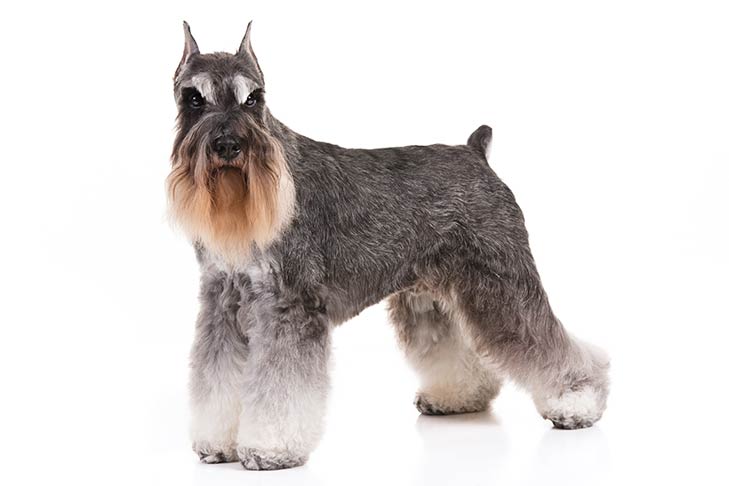
Credit: www.akc.org
Miniature Schnauzer Traits
Miniature Schnauzers are a popular dog breed known for their distinctive beard and lively personality. These small dogs are not only charming but also a great choice for families, thanks to their hypoallergenic coat. If you’re sensitive to dog fur, Miniature Schnauzers are worth considering. Let’s explore their unique traits that make them stand out.
1. Miniature Schnauzer Appearance
Miniature Schnauzers are compact, sturdy dogs with a square build. Their signature feature is their bushy beard and eyebrows, giving them an expressive look. They typically weigh between 11-20 pounds and stand about 12-14 inches tall. Their double coat comes in various colors, including salt-and-pepper, black, and silver. The wiry outer coat requires regular grooming to stay neat and healthy.
2. Temperament And Personality
These dogs are full of energy and curiosity. Miniature Schnauzers are highly intelligent and quick learners, making training enjoyable. They are loyal companions who love to be around their family. While they are playful and affectionate, they also have a protective side, often acting as little watchdogs. Their friendly nature makes them a favorite among children and adults alike.
3. Hypoallergenic Qualities
The Miniature Schnauzer is considered hypoallergenic due to its low-shedding coat. Unlike many other breeds, their fur traps dander instead of releasing it into the air. This trait makes them suitable for people with mild allergies. Regular grooming, including brushing and trimming, helps minimize allergens and keeps their coat in top condition.
4. Exercise And Activity Needs
Miniature Schnauzers are active dogs that thrive on daily exercise. They enjoy walks, playtime, and mental stimulation through games or puzzles. A lack of activity can lead to boredom, which may result in undesirable behaviors. Providing them with consistent exercise helps maintain their physical and mental health.
5. Trainability And Intelligence
Known for their sharp minds, Miniature Schnauzers are eager to learn new commands and tricks. They respond well to positive reinforcement methods, such as treats and praise. Their intelligence also means they can pick up bad habits if not trained early. Consistent training and socialization from a young age make them well-mannered pets.
6. Social Behavior
Miniature Schnauzers generally get along well with other dogs and pets. Early socialization helps them develop good manners around strangers and animals. While they are naturally friendly, some may be cautious at first. With proper guidance, they can adapt to various social settings with ease.
7. Grooming Requirements
This breed requires regular grooming to maintain its signature look. Their double coat needs brushing a few times a week to prevent matting. Many owners opt for professional grooming every 4-6 weeks for trimming and shaping. Cleaning their beard after meals and trimming nails regularly is also essential for their hygiene.
Hypoallergenic Qualities
Miniature Schnauzers are a favorite choice for dog lovers worldwide. Their playful nature, intelligence, and unique appearance make them stand out. But what makes them even more special is their hypoallergenic qualities. If allergies have kept you away from owning a dog, Miniature Schnauzers might be the perfect fit for your family. These charming little dogs are known for their low-allergen coat, making them a popular choice for allergy sufferers.
What Does Hypoallergenic Mean?
Hypoallergenic dogs produce fewer allergens than other breeds. Allergens like dander, saliva, and urine can trigger allergic reactions in humans. Miniature Schnauzers, thanks to their unique coat, release less dander into the environment. This makes them a better option for those sensitive to pet allergens.
Low-shedding Coat
One standout feature of Miniature Schnauzers is their low-shedding double coat. Their wiry topcoat and soft undercoat trap loose hair, reducing shedding. Less shedding means fewer allergens circulating in your home. Regular grooming also helps manage their coat and keeps allergens in check.
Benefits Of Regular Grooming
- Reduces dander: Grooming helps remove trapped dander in their coat.
- Minimizes allergens: Regular brushing prevents allergen buildup.
- Maintains coat health: Grooming keeps their coat clean and tangle-free.
Best Practices For Allergy Management
- Brush your Miniature Schnauzer weekly to reduce loose hair and dander.
- Give them regular baths using hypoallergenic dog shampoo.
- Keep your home clean by vacuuming carpets and furniture often.
- Use an air purifier to reduce allergens in your living space.
Comparison Of Miniature Schnauzers With Other Hypoallergenic Breeds
| Breed | Shedding Level | Grooming Needs |
|---|---|---|
| Miniature Schnauzer | Low | Moderate |
| Poodle | Very Low | High |
| Bichon Frise | Low | High |
Miniature Schnauzers strike a balance between low shedding and manageable grooming needs. This makes them an excellent choice for allergy-conscious dog owners.
Grooming Needs
Miniature Schnauzers are cherished for their distinct appearance, lively personalities, and low-shedding coats. They belong to the group of hypoallergenic dog breeds, making them an excellent choice for families sensitive to dog allergies. Despite their reduced shedding, Miniature Schnauzers require consistent grooming to maintain their coat’s texture and prevent matting. Proper grooming not only keeps them looking sharp but also ensures their skin stays healthy and free of irritation.
Regular Grooming Schedule
Miniature Schnauzers thrive on a structured grooming routine. Their double coat, consisting of a soft undercoat and wiry outer coat, demands attention to prevent tangles and mats. A regular schedule ensures your dog remains comfortable and clean.
Experts recommend brushing their coat at least 2-3 times a week. This helps remove loose hairs and debris. For more active dogs, brushing daily may be beneficial. Bathing should be limited to once every 4-6 weeks to avoid stripping their natural oils.
Professional grooming is essential every 6-8 weeks. Groomers can trim their coat, shape their beard and eyebrows, and perform hand-stripping for those aiming to maintain their breed-standard appearance. Between visits, owners should clean their ears, brush their teeth, and trim their nails.
| Grooming Task | Frequency |
|---|---|
| Brushing | 2-3 times per week |
| Bathing | Every 4-6 weeks |
| Professional Grooming | Every 6-8 weeks |
| Teeth Brushing | 2-3 times per week |
| Nail Trimming | Every 3-4 weeks |
Best Grooming Tools
Having the right tools makes grooming your Miniature Schnauzer easier and more effective. Their wiry coat requires specific tools to achieve the best results while keeping them comfortable.
Here are some of the best grooming tools:
- Slicker Brush: Ideal for removing loose hairs and preventing mats. Use it gently to avoid scratching their skin.
- Metal Comb: Perfect for detailing their beard and eyebrows. It helps keep their facial hair neat.
- Dog Clippers: Choose high-quality clippers for trimming their coat between professional grooming sessions.
- Nail Clippers: Keep their nails trimmed to prevent discomfort or injuries during play.
- Dog Shampoo: Look for hypoallergenic formulas designed for sensitive skin to maintain their coat’s health.
- Ear Cleaner: Prevent infections by using a gentle ear-cleaning solution regularly.
For convenience, consider organizing these tools into a grooming kit. Ensure they are stored in a clean, dry place to maintain their functionality. Regular maintenance of tools, such as sharpening clippers or cleaning brushes, ensures a smooth grooming experience.
Temperament And Behavior
Miniature Schnauzers are a popular choice for families and allergy sufferers alike. These small, sturdy dogs are known for their adorable beards, lively personalities, and hypoallergenic coats. But what truly sets them apart is their unique temperament and behavior. Understanding their personality traits and learning how to socialize them properly can help you build a strong bond with your furry friend.
Personality Traits
Miniature Schnauzers are full of life and charm. They are known for their intelligence, alertness, and affectionate nature. Despite their small size, they have a big personality that can light up any room. Below are some key personality traits that make this breed stand out:
- Intelligent: These dogs are quick learners and enjoy mental challenges.
- Energetic: They are playful and love to stay active, making them great companions for walks and games.
- Loyal: Miniature Schnauzers are deeply attached to their families and thrive on human interaction.
- Alert and Brave: Despite their size, they make excellent watchdogs due to their keen sense of awareness.
- Friendly Yet Independent: They are social but also enjoy some alone time to recharge.
While these traits make Miniature Schnauzers lovable, they can sometimes lead to stubborn behavior. Their intelligence means they may test boundaries, so consistent training is essential. They are also vocal dogs and may bark to alert you of visitors or changes in their environment.
Here’s a quick overview of their traits:
| Trait | Description |
|---|---|
| Energy Level | High |
| Trainability | Very Trainable |
| Social Nature | Friendly but Reserved with Strangers |
| Barking | Frequent |
Understanding these traits helps you cater to their needs and build a happy, balanced relationship with your Miniature Schnauzer.
Socialization Tips
Proper socialization is crucial for Miniature Schnauzers to grow into well-mannered pets. Socialization helps them feel comfortable in various environments and around different people or animals. Here are some effective tips to socialize your Miniature Schnauzer:
- Start Early: Begin socialization as a puppy. Expose them to various sounds, sights, and experiences.
- Introduce Gradually: Introduce new experiences one at a time to avoid overwhelming them.
- Encourage Positive Interactions: Use treats and praise to reinforce calm and friendly behavior.
- Meet Other Dogs: Arrange playdates with other vaccinated, friendly dogs to build their social confidence.
- Expose to Different People: Invite friends or family over to help your dog get used to strangers.
- Enroll in Classes: Puppy training classes are a great way to teach obedience and meet other pets.
Miniature Schnauzers may be wary of strangers, so patience is key. Avoid forcing interactions if they seem uncomfortable. Instead, let them approach new people or animals at their own pace.
Consistency is essential during socialization. Regular exposure to new situations helps them develop a confident and calm demeanor. Socialized Miniature Schnauzers are less likely to develop fear-based behaviors, such as excessive barking or anxiety.
Here’s a checklist for socialization goals:
- Comfortable with household noises (vacuum, doorbell, etc.)
- Friendly towards other pets
- Relaxed in busy environments (parks, streets)
- Calm around children and seniors
Socialization not only improves their behavior but also strengthens your bond with them. A well-socialized Miniature Schnauzer is a joy to have around.
Health Considerations
Miniature Schnauzers are a popular hypoallergenic dog breed known for their playful nature and distinct beard. While these dogs are generally healthy, being aware of their specific health needs is crucial for ensuring a happy and long life. By understanding common health issues and focusing on preventive care, you can support your Miniature Schnauzer’s well-being effectively.
Common Health Issues
Miniature Schnauzers are resilient dogs, but they are prone to certain health conditions. Awareness of these issues can help you act quickly if symptoms arise. Below are some common health concerns:
- Pancreatitis: This breed is predisposed to pancreatitis, especially if fed fatty foods. Symptoms may include vomiting, abdominal pain, and lethargy.
- Bladder Stones: Miniature Schnauzers often develop bladder stones, leading to difficulty urinating or blood in the urine.
- Hyperlipidemia: High levels of fat in the blood are common in this breed, which can contribute to other health issues.
- Progressive Retinal Atrophy (PRA): PRA is an eye condition that leads to gradual vision loss.
- Skin Allergies: They can be prone to itchy skin and allergies, which might be triggered by diet, environment, or parasites.
Here’s a summary of the common health issues in a simple table:
| Health Issue | Symptoms | Potential Solutions |
|---|---|---|
| Pancreatitis | Vomiting, lethargy, abdominal pain | Low-fat diet, vet-prescribed medication |
| Bladder Stones | Difficulty urinating, blood in urine | Special diet, surgery if needed |
| Hyperlipidemia | High fat levels in blood tests | Low-fat diet, routine check-ups |
| PRA | Night blindness, vision loss | No cure, but vet monitoring helps |
| Skin Allergies | Itchy, red skin | Allergy testing, hypoallergenic diet |
Understanding these health concerns can help you provide better care for your dog. Early detection and proper management can prevent complications.
Preventive Care
Preventive care plays a vital role in keeping your Miniature Schnauzer healthy. Taking proactive steps can help reduce the risk of common health problems.
Here are essential preventive care tips:
- Regular Vet Check-Ups: Schedule biannual or annual vet visits to catch potential issues early.
- Balanced Diet: Feed your Schnauzer a vet-recommended diet that is low in fat and high in nutrients.
- Exercise Routine: Daily walks and playtime help maintain a healthy weight and prevent obesity-related problems.
- Oral Hygiene: Brush their teeth regularly to prevent dental diseases, which are common in smaller breeds.
- Grooming: Frequent grooming keeps their coat healthy and helps you spot skin issues early.
- Vaccinations: Keep their vaccinations up-to-date to protect against preventable diseases.
Preventive care is not just about physical health. Mental stimulation is equally important. Engage your Miniature Schnauzer in interactive games and training sessions to keep their mind sharp.
Here’s a simple checklist for preventive care:
- Vet visits every 6-12 months
- Low-fat, high-quality diet
- Daily exercise (20-30 minutes)
- Teeth brushing 2-3 times per week
- Monthly grooming and coat checks
- Up-to-date vaccinations and parasite control
Consistent preventive care ensures your Miniature Schnauzer stays happy and healthy for years to come.

Credit: www.aspcapetinsurance.com
Training Essentials
Miniature Schnauzers are intelligent, playful, and hypoallergenic dogs. They are a popular choice for families with allergies and those seeking a loyal companion. Proper training is essential for these smart dogs to thrive and adapt to your household. Whether you are teaching basic commands or diving into advanced techniques, investing time in their training ensures a well-behaved and happy pet.
Basic Obedience Training
Basic obedience training lays the foundation for your Miniature Schnauzer’s behavior. It helps them understand rules, boundaries, and commands, making them easier to manage. Start training early and use positive reinforcement methods like treats and praise to encourage good behavior.
- Teaching Sit: Hold a treat above their nose, move it backward, and say “sit.” Reward them when they follow.
- Teaching Stay: Command “sit,” then say “stay” while stepping back. Reward them if they remain seated.
- Teaching Come: Call their name, say “come,” and reward them when they approach.
Consistency is key. Practice commands daily in short sessions to avoid overwhelming your dog. Always use a calm and firm tone. Avoid yelling or punishment, as it can lead to fear or aggression.
| Command | Purpose | How Often |
|---|---|---|
| Sit | Encourages calm behavior | Daily |
| Stay | Improves focus and patience | Daily |
| Come | Strengthens recall | Daily |
By mastering these basics, your Miniature Schnauzer becomes more manageable and ready for advanced training.
Advanced Training Techniques
Once your Miniature Schnauzer masters basic commands, they are ready for advanced training. These techniques enhance their problem-solving skills and mental stimulation. Advanced training also strengthens your bond with your pet.
Consider teaching the following:
- Heel Training: Train them to walk calmly beside you without pulling the leash. Use treats to guide their position.
- Hand Signals: Pair hand gestures with voice commands for seamless communication.
- Agility Training: Set up obstacle courses to improve their physical fitness and coordination.
Interactive toys and puzzles are excellent tools for mental stimulation. Use these during training to keep them engaged. Below is a table summarizing advanced training tips:
| Technique | Benefit | Recommended Frequency |
|---|---|---|
| Heel Training | Improves leash behavior | Weekly |
| Hand Signals | Enhances communication | Weekly |
| Agility Training | Boosts physical activity | Monthly |
Always celebrate progress. Use verbal praise or treats to reinforce success. Be patient, as advanced training takes time.
Living Environment
Miniature Schnauzers are a popular hypoallergenic dog breed that fits well with many households. Their charming personalities and low-shedding coats make them an excellent choice for allergy sufferers. While they are adaptable, their living environment plays a big role in their happiness and health. Understanding their space needs and compatibility with other companions ensures a balanced life for these lovable dogs.
Space Requirements
Miniature Schnauzers are small dogs, but they are full of energy. They thrive in various living spaces, whether it’s a spacious home or a compact apartment. Their compact size and manageable energy levels make them suitable for urban and suburban settings.
To keep them happy, they need areas to play and exercise. Here are some general space requirements for Miniature Schnauzers:
- A small yard is ideal, but not mandatory. A nearby park can work just as well.
- Indoor space should be free of clutter to prevent accidents during playtime.
- A designated corner or crate for rest helps them feel secure.
While they don’t need acres of land, they do require daily activity. A lack of exercise could lead to boredom and destructive behavior. A quick 30-minute walk or an interactive play session indoors keeps them mentally and physically fit.
| Living Space Type | Suitability for Miniature Schnauzers |
|---|---|
| Apartment | Highly suitable with regular outdoor exercise |
| House with Yard | Ideal for play and exploration |
| Rural Property | Good, but supervision is necessary due to their curious nature |
Overall, Miniature Schnauzers are adaptable. Their space requirements are easy to meet, as long as they get sufficient exercise and attention.
Suitable Companions
Miniature Schnauzers are social dogs that enjoy human interaction and companionship. They form strong bonds with their families and can adapt well to different living arrangements. Their friendly nature makes them suitable for households with various companions.
Here are some examples of suitable companions for Miniature Schnauzers:
- Children: They are playful and patient, making them excellent playmates for kids. Teach children to handle them gently to ensure a positive relationship.
- Other Dogs: They generally get along well with other dogs, especially if socialized early. Their playful temperament matches well with other small or medium-sized breeds.
- Seniors: Their manageable size and loyal nature make them ideal companions for older adults. Daily walks and playtime provide mutual health benefits.
While they are social, they may be cautious around strangers or overly energetic pets. Early socialization helps them adjust to new environments and companions.
Miniature Schnauzers thrive on companionship. Whether it’s a family member or another pet, they love being part of a group. Make sure they are never left alone for long periods, as this can lead to anxiety or boredom.
Credit: fernwehschnauzers.com
Adopting A Miniature Schnauzer
Miniature Schnauzers are charming, intelligent, and energetic companions. Known for their bushy eyebrows and wiry coats, they are also a popular choice among individuals with allergies. Being one of the few hypoallergenic dog breeds, Miniature Schnauzers shed minimally, making them suitable for allergy-sensitive households. If you’re considering bringing one of these lovable dogs into your family, understanding the adoption process is essential. Below, we discuss key steps, including how to find a reputable breeder or explore rescue organizations.
Finding A Reputable Breeder
Adopting a Miniature Schnauzer from a reputable breeder ensures you bring home a healthy and well-socialized pet. Good breeders prioritize the health and temperament of their dogs over profit. They follow ethical breeding practices and are transparent about their process.
Here are some tips for identifying a trustworthy breeder:
- Ask for Health Screenings: Reputable breeders perform health tests for common issues like eye diseases and hip dysplasia.
- Visit the Facility: A good breeder will allow you to visit their home or kennel. Clean and spacious environments indicate proper care.
- Request References: Talk to past buyers about their experience with the breeder.
- Meet the Parents: Observing the puppy’s parents can give insights into their temperament and appearance.
Below is a quick comparison table to help identify reliable breeders:
| Criteria | Reputable Breeder | Irresponsible Breeder |
|---|---|---|
| Health Testing | Conducted and documented | Not conducted or no proof provided |
| Living Conditions | Clean and spacious | Overcrowded or unsanitary |
| Puppy Interaction | Encouraged to meet and ask questions | Discouraged or rushed interactions |
Taking time to research a breeder ensures your Miniature Schnauzer has a healthy start in life.
Rescue Organizations
Adopting from a rescue organization is a wonderful way to provide a second chance to a Miniature Schnauzer. Many dogs in rescues are there due to unfortunate circumstances, not because of behavioral issues. These organizations work tirelessly to match dogs with loving families.
Key benefits of adopting from a rescue include:
- Pre-Screened Dogs: Rescues often evaluate the health and temperament of their dogs before adoption.
- Lower Cost: Adoption fees are usually lower than buying from a breeder and often include vaccinations and spaying/neutering.
- Supportive Network: Many rescues offer ongoing support and advice for new adopters.
Here are a few steps to adopt from a rescue:
- Search for Miniature Schnauzer-specific rescues or general dog rescues in your area.
- Complete an application form and provide details about your home and lifestyle.
- Prepare for a home visit, as many rescues ensure the environment is safe and suitable.
Below is an example of well-known rescue organizations:
| Organization Name | Location | Website |
|---|---|---|
| Schnauzer Love Rescue | Southeastern USA | schnauzerloverescue.net |
| Miniature Schnauzer Rescue, Inc. | Nationwide | miniatureschnauzerrescue.org |
Rescue organizations are an excellent option for finding a loyal and loving Miniature Schnauzer while supporting an important cause.
Frequently Asked Questions
What Is The Best Mini Hypoallergenic Dog?
The best mini hypoallergenic dog is the Miniature Schnauzer. They shed minimally and are ideal for allergy-sensitive households. Other great options include Maltese and Poodle, both known for their low-allergen coats and small size. These breeds are perfect for those seeking a compact, allergy-friendly companion.
Are Schnauzers Hypoallergenic For Sale?
Schnauzers are considered hypoallergenic due to minimal shedding and low dander production. They may suit allergy-sensitive individuals. Always confirm with breeders.
What Dog Is 100% Hypoallergenic?
No dog is 100% hypoallergenic. Some breeds, like Poodles and Bichon Frises, are less likely to trigger allergies.
Which Schnauzer Sheds The Least?
The Miniature Schnauzer sheds the least among Schnauzer breeds. They have a low-shedding, hypoallergenic coat, perfect for allergy sufferers.
Conclusion
Miniature Schnauzers are an excellent choice for allergy-sensitive dog lovers. Their low-shedding coat makes them a popular hypoallergenic breed. These dogs are also loyal, intelligent, and full of charm. They adapt well to families, singles, and even small living spaces.
Regular grooming helps maintain their coat and minimize allergens. If you’re seeking a friendly, hypoallergenic companion, this breed stands out. Remember to spend time with a Schnauzer before committing. It ensures compatibility with your lifestyle and allergies. A Miniature Schnauzer could be the perfect fit for your home.