


Are you dreaming of a furry companion but struggling with allergies? You’re not alone.
Portuguese water dog hypoallergenic dog breeds, for many pet lovers, the thought of constant sneezing, itchy eyes, and endless cleaning can make owning a dog feel impossible. But here’s the good news: not all dogs trigger allergies the same way. Enter the Portuguese Water Dog—a breed that’s often celebrated for its hypoallergenic qualities.
If you’ve been searching for a dog that’s as loving as it is allergy-friendly, you’re in the right place. This breed isn’t just adorable; it’s also a fantastic choice for people who want to minimize allergy symptoms. Stick around, because in this post, you’ll discover why the Portuguese Water Dog stands out, how their coat works wonders for allergy sufferers, and whether this is the perfect breed for you. By the end, you might just find yourself picturing your life with one of these curly-haired cuties by your side. Ready? Let’s dive in!

Credit: www.petsbest.com
Hypoallergenic Traits
Portuguese Water Dogs are a popular choice for individuals with allergies. Their unique coat and minimal shedding make them ideal for people sensitive to pet dander. These dogs are not only beautiful but also practical for allergy sufferers. Their hypoallergenic traits make them stand out among other breeds.
What Makes Portuguese Water Dogs Hypoallergenic?
Portuguese Water Dogs have a dense, curly coat that traps allergens. This coat reduces the spread of dander into the air. Unlike many other breeds, they shed very little, which helps allergy sufferers breathe easier. Regular grooming further minimizes allergens, keeping their coat healthy and clean. This combination of traits makes them a great companion for those with sensitivities.
Low-shedding Coat
These dogs are known for their low-shedding coat. Their fur grows continuously, much like human hair. This reduces the amount of hair and dander left around the home. Low shedding also means fewer allergens on furniture and clothing. With consistent brushing, you can keep their coat tangle-free and allergen levels low.
Minimal Dander Production
Portuguese Water Dogs produce less dander compared to other breeds. Dander is a common cause of pet allergies. Their unique coat structure helps trap loose skin flakes. This keeps allergens from spreading throughout the house. Regular bathing can further reduce dander buildup, making them an allergy-friendly pet choice.
Best Grooming Practices For Allergy Management
Maintaining their coat is key to minimizing allergens. Here are some tips:
- Brush their coat 2-3 times a week to remove loose hair.
- Schedule professional grooming every 6-8 weeks for a thorough cleaning.
- Bathe them once a month using a gentle, hypoallergenic shampoo.
- Trim their nails and clean their ears to prevent other health issues.
These grooming practices not only keep them healthy but also help allergy sufferers enjoy their company without discomfort.
Comparison Of Allergens In Portuguese Water Dogs Vs. Other Breeds
| Breed | Shedding Level | Dander Production | Grooming Needs |
|---|---|---|---|
| Portuguese Water Dog | Low | Minimal | High |
| Golden Retriever | High | High | Moderate |
| Poodle | Low | Minimal | High |
| Labrador Retriever | Moderate | Moderate | Low |
This table highlights how Portuguese Water Dogs compare with other breeds in terms of allergens. Their hypoallergenic traits make them a standout choice for sensitive individuals.
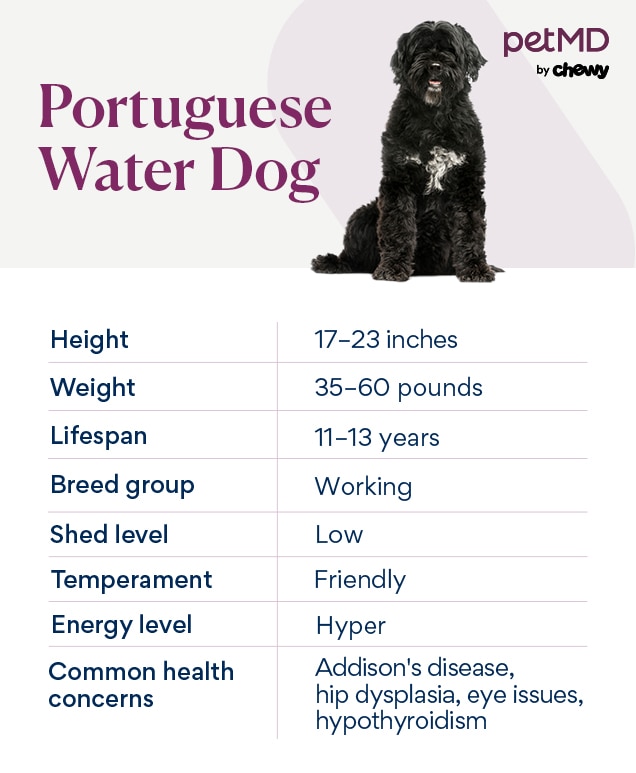
Credit: www.petmd.com
Portuguese Water Dog Profile
The Portuguese Water Dog is a fascinating breed known for its intelligence, versatility, and hypoallergenic coat. These dogs are a popular choice for families seeking an active, affectionate companion. Originally bred in Portugal to assist fishermen, they excel in swimming and retrieving tasks. Their low-shedding coat makes them an excellent option for individuals with allergies. Let’s take a closer look at this breed’s profile.
Physical Characteristics
The Portuguese Water Dog is a medium-sized breed with a striking appearance. Their robust and athletic build reflects their history as working dogs. These dogs are strong yet agile, making them ideal for active lifestyles.
- Height: Males are usually 20-23 inches tall, while females are 17-21 inches.
- Weight: Males weigh between 42-60 pounds, and females weigh 35-50 pounds.
- Coat: Their coat can be curly or wavy and is water-resistant, designed to protect them in aquatic environments.
- Colors: They commonly come in black, white, brown, or a combination of these.
One of their defining features is their webbed feet, which help them excel at swimming. Their eyes are dark and expressive, and their ears are floppy, adding to their charming appearance. Below is a quick overview of their physical traits:
| Trait | Details |
|---|---|
| Height | 20-23 inches (male), 17-21 inches (female) |
| Weight | 42-60 pounds (male), 35-50 pounds (female) |
| Coat Type | Curly or Wavy |
| Colors | Black, White, Brown, or Mixed |
Temperament
The Portuguese Water Dog is known for its friendly and intelligent nature. They are highly social dogs that form strong bonds with their families. Their temperament makes them an excellent choice for both singles and families.
These dogs are often described as:
- Loyal: They are deeply devoted to their owners and enjoy spending time with them.
- Playful: They have a lively personality and love engaging in games and activities.
- Intelligent: Their high intelligence makes them easy to train and eager to learn new tasks.
- Affectionate: They thrive on human interaction and are great with children.
While they are generally friendly, they can be cautious around strangers initially. Early socialization can help them feel more comfortable in new environments. They also tend to get along well with other pets, provided they are introduced properly.
Thanks to their sharp minds, Portuguese Water Dogs excel in activities like obedience training, agility, and even therapy work. Their temperament makes them adaptable to various lifestyles.
Energy Levels
Portuguese Water Dogs are highly energetic and require plenty of physical and mental stimulation. They are best suited for active households that can meet their exercise needs.
Here are some key points about their energy levels:
- They need at least 60 minutes of exercise daily.
- Activities like swimming, running, and hiking are perfect for them.
- They enjoy interactive games, such as fetch and tug-of-war, to burn off energy.
- They thrive on challenges, making puzzle toys and training sessions ideal for mental stimulation.
Without adequate exercise, they may become bored or develop destructive behaviors. Regular activity helps keep them happy and balanced. Their love for water is notable, so a trip to the beach or a pool day can be a great way to satisfy their energy levels.
Overall, their high energy makes them a fantastic choice for individuals or families who enjoy an active lifestyle and outdoor adventures.
Grooming Needs
Portuguese Water Dogs are beloved not only for their intelligence and energetic personality but also for their hypoallergenic qualities, making them a great choice for allergy sufferers. To keep their unique coat in top condition and ensure their overall well-being, proper grooming is essential. Their grooming needs revolve around maintaining their coat health, bathing them appropriately, and using effective brushing techniques.
Coat Care
The coat of a Portuguese Water Dog is truly one of a kind. It can be curly or wavy, and unlike many breeds, they lack an undercoat, which contributes to their hypoallergenic properties. Regular maintenance of their coat is crucial to prevent tangles, mats, and dirt buildup.
- Preventing tangles: The coat can mat easily, especially around the ears, belly, and legs.
- Trim regularly: Professional grooming every 6-8 weeks helps maintain the coat’s length and shape.
- Hydration: Use conditioning sprays to keep the coat moisturized and healthy.
While they don’t shed excessively, loose hairs can get trapped in the coat. Frequent brushing reduces shedding and keeps the coat clean. Below is a summary of their coat care needs:
| Grooming Activity | Frequency |
|---|---|
| Brushing | 3-4 times a week |
| Professional Grooming | Every 6-8 weeks |
| Use of Conditioning Spray | Weekly |
Bathing Frequency
Portuguese Water Dogs don’t require frequent baths, but their active lifestyle means they can get dirty quickly. Bathing them too often can strip the coat of natural oils, leading to dryness and irritation. Here’s a guide to their bathing frequency:
- Routine baths: Every 4-6 weeks is ideal for maintaining a clean and healthy coat.
- After messy activities: Bath them after swimming, rolling in mud, or other outdoor adventures.
- Use gentle products: Hypoallergenic shampoos are best for preserving coat oils and preventing skin irritation.
A table summarizing their bathing needs:
| Bathing Situation | Frequency |
|---|---|
| Routine Bath | Every 4-6 weeks |
| After Swimming | As needed |
| Dirty Outdoor Play | As needed |
Brushing Techniques
Brushing is a vital part of grooming for Portuguese Water Dogs. It prevents mats, promotes healthy skin, and distributes natural oils throughout their coat. Follow these brushing techniques to ensure effective grooming:
- Start with a comb: Use a wide-toothed comb to gently detangle any knots or mats.
- Use a slicker brush: Slicker brushes work well to remove loose hairs and debris trapped in the coat.
- Brush in sections: Divide the coat into smaller sections for thorough brushing.
- Pay attention to sensitive areas: Focus on areas prone to mats, like the ears, belly, and legs.
- Brush frequently: Aim for 3-4 times a week to maintain coat health and reduce shedding.
Proper brushing not only keeps their coat looking great but also strengthens your bond with your dog. Investing time in brushing ensures a happy, healthy, and well-groomed Portuguese Water Dog.
Health Considerations
Portuguese Water Dogs are known for their intelligence, affectionate nature, and hypoallergenic coats. These dogs are a great choice for families with mild allergies, but like all breeds, they come with specific health considerations. Understanding their health needs is essential to ensure they live a long and happy life. Below, we explore common health issues, the importance of regular vet check-ups, and their dietary requirements.
Common Health Issues
While Portuguese Water Dogs are generally healthy, they can be prone to certain conditions due to genetics and lifestyle. Being aware of these issues helps in early detection and treatment.
- Hip Dysplasia: This condition affects their hip joints and can lead to arthritis or mobility issues.
- Progressive Retinal Atrophy (PRA): A genetic condition that can result in vision loss over time.
- Addison’s Disease: A hormonal disorder that impacts adrenal gland function, causing fatigue and weakness.
- Ear Infections: Their floppy ears can trap moisture, making them susceptible to infections.
Here’s a quick summary of common health issues:
| Health Issue | Symptoms | Prevention/Treatment |
|---|---|---|
| Hip Dysplasia | Limping, difficulty in movement | Weight management, surgery in severe cases |
| Progressive Retinal Atrophy | Night blindness, eventual vision loss | Genetic testing before breeding |
| Addison’s Disease | Lethargy, vomiting, loss of appetite | Medication and regular monitoring |
| Ear Infections | Scratching, redness, foul odor | Regular ear cleaning |
Regular Vet Check-ups
Routine vet check-ups are essential for monitoring your Portuguese Water Dog’s health. Early diagnosis can prevent minor issues from becoming severe.
At each visit, your vet can:
- Perform a thorough physical examination.
- Check for signs of genetic conditions like PRA or hip dysplasia.
- Monitor weight and overall body condition.
- Ensure vaccinations and parasite prevention are up-to-date.
Veterinarians may recommend specific tests depending on your dog’s age and health history. These could include:
- Blood Tests: To check for hormonal imbalances or kidney and liver health.
- Eye Exams: To screen for PRA and other eye-related conditions.
- Joint X-Rays: To detect hip or elbow dysplasia early.
Regular vet visits also allow you to discuss concerns, such as behavioral changes or dietary adjustments. Aim for at least one check-up annually, or more frequently for senior dogs or those with existing conditions.
Dietary Needs
Portuguese Water Dogs require a balanced diet to maintain their energy and overall health. Their diet should include high-quality protein, healthy fats, and essential vitamins and minerals.
Key dietary considerations:
- Protein: Look for foods with chicken, fish, or lamb as the main ingredient.
- Fats: Omega-3 and Omega-6 fatty acids promote a healthy coat and skin.
- Carbohydrates: Brown rice, sweet potatoes, or oats provide sustained energy.
- Portion Control: Overfeeding can lead to obesity, which exacerbates joint issues.
Here’s a sample diet plan:
| Meal | Food Type | Portion Size |
|---|---|---|
| Breakfast | Dry kibble with added fish oil | 1.5 cups |
| Lunch | Cooked chicken with brown rice | 1 cup |
| Dinner | Dry kibble with steamed vegetables | 1.5 cups |
Always provide fresh water and avoid feeding table scraps or foods harmful to dogs, like chocolate, onions, or grapes. Consult your vet to tailor your dog’s diet to their age, weight, and activity level.
Training Tips
Portuguese Water Dogs are a popular choice for families due to their hypoallergenic coats and playful personalities. They are intelligent, eager to please, and full of energy, making them excellent companions. Proper training is essential to ensure they grow into well-behaved and happy pets. Below are some helpful training tips to guide you in raising a well-mannered Portuguese Water Dog.
Basic Commands
Teaching your Portuguese Water Dog basic commands is the foundation of good behavior. These commands help establish communication and build trust between you and your dog. Start training as early as possible, as these dogs are highly intelligent and quick learners.
Here are some essential commands to focus on:
- Sit: This is one of the first commands every dog should learn. It teaches patience and control.
- Stay: This helps your dog remain in one place, which is useful in various situations.
- Come: This ensures your dog returns to you, even in distracting environments.
- Leave It: This prevents your dog from picking up or eating something harmful.
Practice these commands daily for short periods to avoid overwhelming your dog. Use clear and consistent words for each command. For example, always say “sit” instead of mixing it up with “sit down.”
Below is a quick guide to teaching the “Sit” command:
| Step | Action |
|---|---|
| 1 | Hold a treat close to your dog’s nose. |
| 2 | Slowly move the treat upward, causing your dog to look up and their bottom to lower. |
| 3 | Once they sit, say “sit” and reward them with the treat and praise. |
| 4 | Repeat several times daily until they understand the command. |
Patience is key. With consistency, your Portuguese Water Dog will master these commands in no time.
Socialization
Socialization is essential for Portuguese Water Dogs to develop good manners and confidence. These dogs are naturally friendly, but early exposure to various people, animals, and environments helps prevent anxiety and aggression.
Here are effective ways to socialize your dog:
- Introduce New People: Have friends or family visit your home. Let your dog interact with them in a calm setting.
- Meet Other Dogs: Arrange playdates with well-behaved dogs. This helps them learn proper canine communication.
- Explore Different Environments: Take your dog to parks, pet-friendly stores, or busy streets. Exposure to different sights and sounds is beneficial.
- Train in Public Spaces: Practice basic commands in new locations to build focus and confidence.
Start socialization during puppyhood and gradually increase the complexity of experiences. Reward positive interactions with treats and praise.
Keep the sessions short and enjoyable. If your dog seems overwhelmed, take a step back and let them adjust at their own pace. A well-socialized Portuguese Water Dog is a joy to be around and adapts well to various situations.
Positive Reinforcement
Portuguese Water Dogs respond exceptionally well to positive reinforcement. This training method involves rewarding good behavior with treats, praise, or play. It encourages your dog to repeat desired actions.
Here’s how to use positive reinforcement effectively:
- Immediate Rewards: Reward your dog as soon as they perform the desired behavior. Timing is crucial.
- Use High-Value Treats: Small, tasty treats work best. Save special treats for more challenging tasks.
- Praise and Affection: Use verbal praise like “Good boy!” or “Well done!” along with petting.
- Be Consistent: Reward the same behavior every time, especially during the early stages of training.
Avoid punishment, as it can confuse your dog or create fear. Instead, redirect unwanted behavior and reward positive actions.
Below is an example of using positive reinforcement to teach “Stay”:
| Step | Action |
|---|---|
| 1 | Ask your dog to sit, then raise your hand with your palm facing them and say “Stay.” |
| 2 | Take a small step back. If they stay, reward them with a treat and praise. |
| 3 | Gradually increase the distance and duration before rewarding. |
| 4 | Repeat consistently until they understand the command. |
Positive reinforcement builds trust and strengthens your bond with your dog. It’s a humane and effective way to train your Portuguese Water Dog.
Credit: www.lancasterpuppies.com
Living Environment
Portuguese Water Dogs are known for their energetic personalities and hypoallergenic qualities. They adapt well to various living environments, making them a popular choice for families and individuals. Their friendly nature and moderate grooming needs also make them ideal for people with allergies. Understanding their space needs, compatibility with families, and activity requirements is crucial for creating a happy and healthy environment for this breed.
Space Requirements
Portuguese Water Dogs are versatile and can adjust to different living spaces. While they thrive in homes with yards, they can also live comfortably in apartments if their exercise needs are met. This breed does not require sprawling spaces but appreciates areas where they can move freely.
- Indoor Living: They adapt well to indoor living as long as they have space to stretch and relax.
- Outdoor Space: A fenced yard is ideal for safe play and exploration.
- Apartment Living: Regular walks and active play sessions compensate for limited space.
Here is a quick comparison of their adaptability in different living environments:
| Living Environment | Suitability |
|---|---|
| Apartment | Good, with daily exercise |
| House with Yard | Excellent |
| Rural Areas | Excellent |
Although adaptable, Portuguese Water Dogs need structured exercise routines to stay mentally and physically balanced.
Family Compatibility
Portuguese Water Dogs are highly sociable and bond well with families. Their affectionate and playful nature makes them suitable for households with children and other pets. They thrive in environments where they can interact with people regularly.
Key traits that enhance their family compatibility:
- Gentle with Children: They are patient and enjoy playing with kids.
- Friendly with Pets: They coexist peacefully with other animals when introduced properly.
- Loyal Companions: They form strong bonds with their owners.
Below is a breakdown of family compatibility:
| Family Type | Compatibility Level |
|---|---|
| Families with Children | High |
| Single Owners | Moderate |
| Multi-Pet Households | High |
Portuguese Water Dogs thrive in environments where they feel part of the family, making them a perfect addition to most households.
Activity Needs
Portuguese Water Dogs are energetic and require regular physical and mental stimulation. Their history as working dogs means they enjoy tasks and activities that engage their natural instincts. Without adequate exercise, they may develop behavioral issues or become bored.
Daily activities for Portuguese Water Dogs:
- Walks: At least 30–60 minutes of walking each day.
- Swimming: They love water-based activities due to their heritage.
- Interactive Play: Games like fetch or tug-of-war keep them engaged.
Here is a quick guide to their activity needs:
| Activity Type | Frequency |
|---|---|
| Walks | Daily |
| Playtime | Daily |
| Swimming | Weekly |
Portuguese Water Dogs thrive in active households. Regular exercise helps maintain their physical health and mental sharpness.
Comparing Breeds
When searching for a hypoallergenic dog breed, the Portuguese Water Dog often stands out for its unique traits and compatibility with allergy-sensitive owners. Yet, how does this breed compare to others known for being hypoallergenic? Understanding the differences helps potential pet parents choose a dog that fits their lifestyle and needs.
Portuguese Water Dog Vs. Other Hypoallergenic Breeds
The Portuguese Water Dog shares the hypoallergenic spotlight with breeds like the Poodle, Bichon Frise, and Soft-Coated Wheaten Terrier. Each breed has traits that make them suitable for allergy sufferers, but they differ in coat type, size, and temperament.
| Feature | Portuguese Water Dog | Poodle | Bichon Frise | Soft-Coated Wheaten Terrier |
|---|---|---|---|---|
| Coat Type | Curly or wavy, dense | Tight curls | Soft, fluffy | Silky, wavy |
| Size | Medium (35-60 lbs) | Varies (Toy, Miniature, Standard) | Small (12-18 lbs) | Medium (30-40 lbs) |
| Temperament | Energetic, loyal | Intelligent, trainable | Friendly, playful | Sweet, alert |
| Exercise Needs | High | Moderate to high | Moderate | Moderate |
The Portuguese Water Dog stands out for its high energy and love for water-related activities. Owners who enjoy outdoor adventures will likely find this breed an excellent fit. In contrast, breeds like the Bichon Frise require less exercise, making them better for more relaxed households.
While all these breeds are considered hypoallergenic, grooming needs vary. The Portuguese Water Dog requires regular trimming and brushing to prevent matting. Similarly, the Poodle’s coat demands consistent grooming, while the Bichon Frise and Wheaten Terrier may require less frequent maintenance.
Choosing between these breeds depends on lifestyle, activity level, and grooming commitment. If you’re active and enjoy a dog that thrives in energetic settings, the Portuguese Water Dog might be the ideal companion.
Unique Features Of The Breed
The Portuguese Water Dog boasts several unique characteristics that make it stand out from other hypoallergenic breeds. Known for its roots as a fisherman’s companion, this breed has a rich history and distinctive traits.
Key features include:
- Webbed Feet: Perfectly designed for swimming, this breed loves water activities.
- Water-Resistant Coat: Their dense, curly or wavy coat protects them in wet environments.
- High Intelligence: Known for quick learning, they excel in obedience and agility training.
- Strong Bond: Loyal and affectionate, they thrive on human companionship.
Their coat, while hypoallergenic, requires care. Regular brushing prevents tangles, and professional grooming keeps their coat manageable. Despite this, their minimal shedding makes them a favorite for those with allergies.
Portuguese Water Dogs are also incredibly athletic. They enjoy swimming, running, and playing fetch. Their energy makes them ideal for active families or individuals who can dedicate time to exercise. They also excel in canine sports like dock diving and agility competitions.
Another unique trait is their adaptability. Whether living in a house with a yard or an apartment, they adjust well, provided their exercise needs are met. This versatility adds to their appeal as a family pet.
Adoption And Cost
The Portuguese Water Dog is a popular choice for families seeking a hypoallergenic pet. Known for their curly, water-resistant coats and playful nature, these dogs are a delight to own. But bringing one into your home involves planning. Understanding the adoption process and costs associated with this breed can help you make an informed decision. Below, we delve into the key aspects of finding a breeder, adoption options, and the total cost of ownership.
Finding A Reputable Breeder
Choosing a responsible breeder is crucial for ensuring your Portuguese Water Dog is healthy and well-socialized. Reputable breeders prioritize the well-being of their dogs and follow ethical breeding practices. Here are some tips to identify a trustworthy breeder:
- They allow you to visit their facility and meet the puppies’ parents.
- They provide health clearances for common breed-related issues like hip dysplasia and PRA (Progressive Retinal Atrophy).
- They are knowledgeable about the breed and willing to answer your questions.
- They offer a contract outlining responsibilities for both parties.
Beware of breeders who cannot provide proper documentation or have poor living conditions for their dogs. To make your search easier, refer to breed-specific organizations like the Portuguese Water Dog Club of America (PWDCA) for breeder recommendations.
The average cost of a Portuguese Water Dog from a breeder ranges between $2,000 and $4,000. This price reflects their hypoallergenic qualities, rarity, and the breeder’s investment in health testing.
Adoption Options
Adopting a Portuguese Water Dog is a rewarding and often more affordable alternative. Many dogs end up in rescue organizations or shelters due to unforeseen circumstances. While less common than other breeds, it is possible to find a Portuguese Water Dog available for adoption.
Here are some potential places to adopt:
- Breed-Specific Rescue Groups: Organizations like the Portuguese Water Dog Rescue work to rehome dogs in need.
- Local Animal Shelters: Check with shelters near you, as they sometimes receive purebred dogs.
- Online Adoption Platforms: Websites like Petfinder and Adopt-a-Pet list dogs available for adoption in your area.
Adopting from a rescue group typically costs between $300 and $600. This fee often includes vaccinations, spaying/neutering, and other initial medical expenses. Adoption not only saves money but also gives a dog a second chance at a loving home.
Cost Of Ownership
Owning a Portuguese Water Dog involves more than just the initial adoption or purchase price. This breed requires regular grooming, quality food, and healthcare. Here’s a breakdown of the annual costs:
| Expense | Estimated Cost |
|---|---|
| Grooming (every 6-8 weeks) | $600 – $1,000 |
| High-Quality Dog Food | $500 – $800 |
| Routine Vet Visits | $300 – $500 |
| Pet Insurance | $300 – $600 |
| Training and Supplies | $200 – $400 |
In total, expect to spend around $2,000 to $3,500 annually to properly care for your Portuguese Water Dog. While these dogs are relatively low-shedding, their coats require consistent maintenance to prevent matting. Investing in their care ensures a happy, healthy pet for years to come.
Frequently Asked Questions
What Dog Is 100% Hypoallergenic?
No dog is 100% hypoallergenic. Some breeds, like Poodles and Bichon Frises, produce fewer allergens, making them suitable for allergy sufferers.
Are Portuguese Water Dogs High Maintenance?
Portuguese Water Dogs require regular grooming due to their curly coat. They need frequent brushing, bathing, and professional trimming. Their high energy levels demand daily exercise and mental stimulation. Proper care and attention are essential to keep them healthy and happy.
Does A Portuguese Water Dog Shed?
Portuguese Water Dogs are low-shedding but not completely shed-free. Their curly coat traps loose hair, reducing shedding. Regular grooming helps.
Do Portuguese Water Dogs Bark A Lot?
Portuguese Water Dogs are not excessive barkers. They may bark to alert or when excited but are generally quiet.
Conclusion
Portuguese Water Dogs are a great choice for allergy-sensitive pet lovers. Their low-shedding coat makes them more allergy-friendly than many breeds. They are intelligent, energetic, and form strong bonds with their families. These dogs thrive with regular exercise and mental stimulation.
Proper grooming helps maintain their hypoallergenic qualities. They suit active households willing to meet their needs. Always consult a vet or breeder to ensure they fit your lifestyle. With care and attention, these dogs can bring joy to your home.
Consider this breed if allergies are a concern, and you’re ready for a loyal companion.