

Are you dreaming of adding a Scottish Terrier to your family but worried about allergies? You’re not alone.
scottish terrier hypoallergenic, for many pet lovers, finding a dog that won’t trigger sneezing fits or itchy eyes is a top priority. That’s where the big question comes in: Are Scottish Terriers hypoallergenic? We’ll break down everything you need to know about this charming, spirited breed and their allergy-friendly potential.
Whether you’re researching for yourself or a loved one, you’ll want to keep reading to discover if a Scottish Terrier could be the perfect fit for your home. Plus, we’ll share tips to make life with a dog more comfortable if you’re allergy-prone. Ready to find out? Let’s dive in!
Scottish Terrier Traits
Scottish Terriers, often called “Scotties,” are small yet confident dogs with a bold personality. Their unique appearance and loyal nature make them stand out. Many wonder if Scottish Terriers are hypoallergenic, but before diving into that, let’s explore their traits. Understanding these traits can help you decide if this breed is the right fit for your home.
1. Appearance And Size
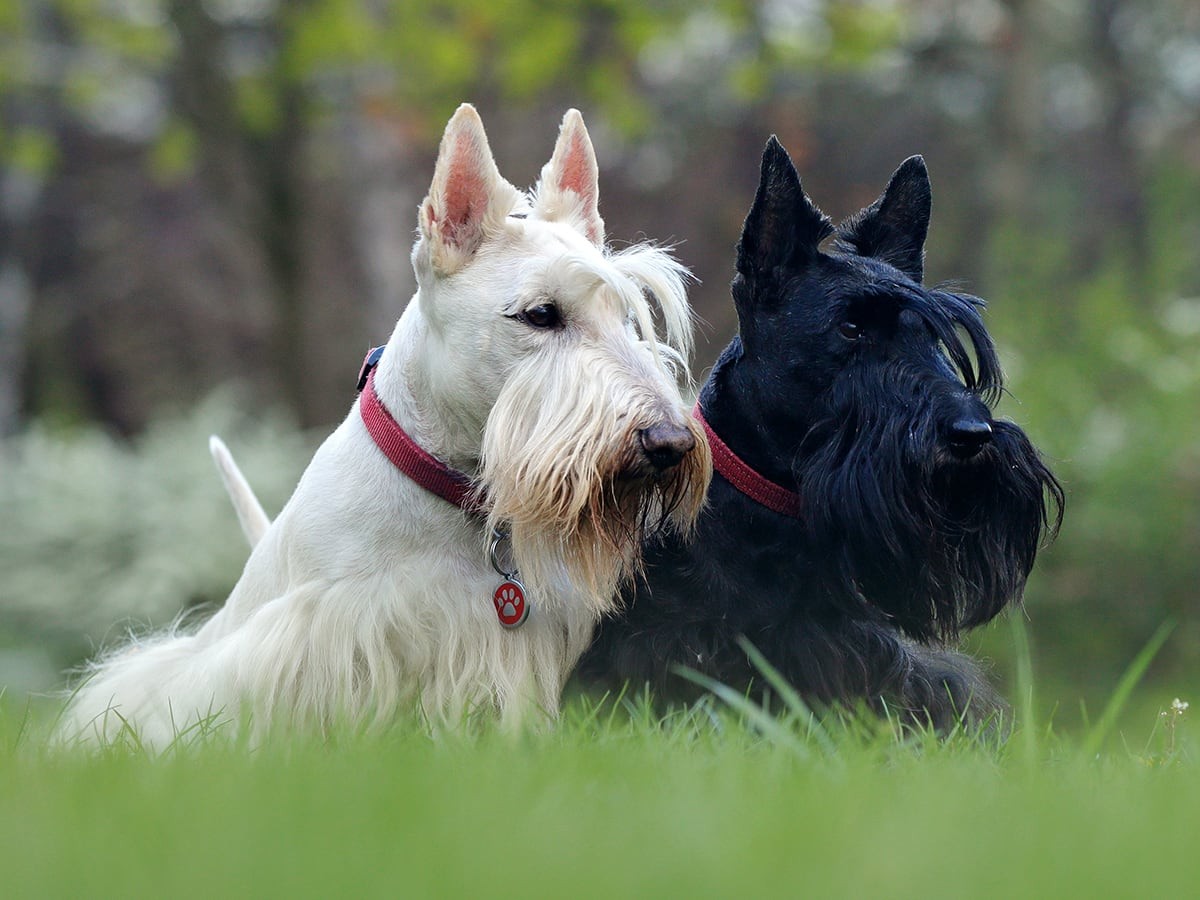
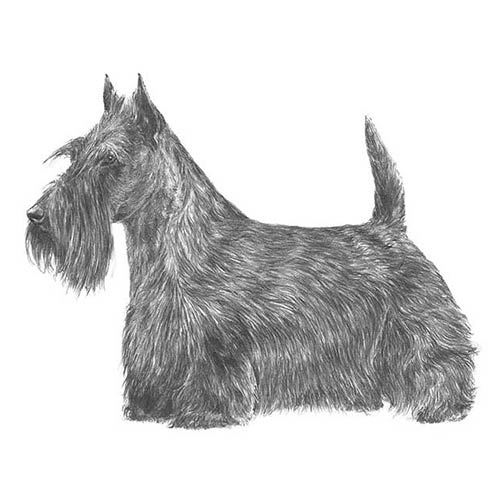
Scottish Terriers are compact dogs with a distinctive look. Their wiry double coat, bushy eyebrows, and beard give them a charming, dignified appearance. They typically weigh between 18 to 22 pounds and stand about 10 inches tall. This makes them a manageable size for most households.
2. Temperament
Scotties are known for their independence and confidence. They are loyal to their families and can be protective. Despite their small size, they often act like bigger dogs, showing fearlessness and determination. While they are affectionate, they may take time to warm up to strangers.
3. Intelligence And Trainability
Scottish Terriers are intelligent but also quite stubborn. They respond well to positive reinforcement and consistent training. Early socialization is key to bringing out their best behavior. Their smart nature makes them quick learners, but patience is needed to handle their independent streak.
4. Energy Levels
These dogs have moderate energy levels. They enjoy daily walks and playtime but don’t require extensive exercise. Their small size makes them ideal for apartment living, provided they get regular mental and physical stimulation.
5. Coat And Grooming Needs
Their wiry double coat requires proper maintenance to stay healthy. Regular brushing helps prevent tangles and mats. Professional grooming every few months keeps their coat in good shape. Their coat is less likely to shed excessively, which is why some consider them hypoallergenic.
6. Health Considerations
Scottish Terriers are generally healthy but can be prone to certain conditions. These include Scottie cramp, a movement disorder, and von Willebrand’s disease, a blood clotting issue. Regular check-ups with a veterinarian ensure they stay in good health.
7. Lifespan
Scottish Terriers typically live between 12 to 15 years. Proper care, a balanced diet, and regular exercise help them enjoy a long, healthy life. Their robust build and resilient nature contribute to their longevity.
| Trait | Description |
|---|---|
| Size | Small, about 18-22 pounds |
| Coat | Wiry, requires regular grooming |
| Temperament | Confident, loyal, independent |
| Energy Level | Moderate, enjoys daily walks |
| Trainability | Intelligent but stubborn |
| Lifespan | 12-15 years |
These traits make Scottish Terriers a unique and charming breed. Their bold personality and manageable size make them a great choice for many dog lovers.
Credit: spotpet.com
Hypoallergenic Breeds
Many dog lovers dream of owning a furry companion but worry about allergies. Thankfully, there are certain dog breeds, often called “hypoallergenic breeds”, that may cause fewer allergic reactions. These breeds shed less dander, which is a common allergen, and are often a better match for allergy-prone individuals. Among these breeds, the Scottish Terrier stands out as a loyal and charming option. Let’s explore what makes this breed special and how it fits into the hypoallergenic category.
What Does Hypoallergenic Mean?
The term “hypoallergenic” refers to breeds that are less likely to cause an allergic reaction. It does not mean they are completely allergen-free. Dogs produce allergens in their saliva, skin, and dander. Hypoallergenic dogs typically shed less fur and dander, reducing the amount of allergens in the environment.
For people with mild to moderate allergies, hypoallergenic breeds can make owning a dog more manageable.
Why Scottish Terriers Are Considered Hypoallergenic
Scottish Terriers, often affectionately called “Scotties,” are known for their wiry, weather-resistant coats. Their coat has two layers— a soft undercoat and a coarser topcoat. This structure traps dander and loose hair, preventing it from spreading around your home.
Since Scotties shed minimally, they are less likely to trigger allergy symptoms. Regular grooming also helps to keep allergens in check, making them a suitable choice for sensitive owners.
How To Manage Allergens With A Scottish Terrier
While Scottish Terriers are considered hypoallergenic, proper care is essential to minimize allergens. Below are some tips:
- Brush regularly: Use a slicker brush to remove loose hair and dander.
- Bathing: Bathe your Scottie once a month with a gentle, hypoallergenic shampoo.
- Clean your home: Vacuum and dust frequently to remove any lingering allergens.
- Wash bedding: Clean your dog’s bedding weekly to reduce dander buildup.
Other Hypoallergenic Breeds To Consider
If you’re exploring hypoallergenic breeds, here are a few additional options:
| Breed | Coat Type | Grooming Needs |
|---|---|---|
| Poodle | Curly, dense coat | High |
| Bichon Frise | Soft, fluffy coat | Moderate |
| Maltese | Silky, straight coat | Moderate |
| Portuguese Water Dog | Curly or wavy coat | High |
Each of these breeds has unique qualities, but all share minimal shedding and allergy-friendly characteristics.
Scottish Terrier Allergens
Scottish Terriers are beloved for their unique appearance and loyal personalities. Many people wonder whether they are hypoallergenic and how they might affect allergies. While no dog is completely hypoallergenic, Scottish Terriers are often considered a better option for allergy sufferers. This is largely due to their coat type and grooming needs, which can reduce allergens in your home. Let’s explore the topic of Scottish Terrier allergens and what makes them a suitable choice for some individuals.
What Are Allergens?
Allergens are substances that can trigger allergic reactions in sensitive individuals. In dogs, these allergens often come from their skin cells, saliva, and urine. These particles mix with hair and can spread throughout your home, affecting allergy-prone individuals. Scottish Terriers, like all dogs, produce allergens, but their unique coat helps minimize shedding and allergen spread.
Scottish Terrier Coat Characteristics
The Scottish Terrier has a dense, wiry coat that sheds very little. This coat type reduces the amount of hair and dander released into the air. Regular grooming further helps manage allergens. Bathing and brushing remove loose hair and trapped particles, keeping your environment cleaner. Their coat is an advantage for allergy sufferers compared to high-shedding breeds.
Saliva And Allergy Sensitivity
All dogs produce saliva, which contains allergens like proteins. Scottish Terriers are not excessive droolers, meaning their saliva exposure is lower compared to some breeds. This factor can be a relief for individuals sensitive to dog saliva. Limiting direct contact with saliva and washing hands after petting can further help.
Tips To Minimize Allergens
- Brush your Scottish Terrier weekly to remove loose hair.
- Use a vacuum with a HEPA filter to clean your home.
- Bathe your dog monthly with a hypoallergenic shampoo.
- Wash dog bedding regularly to reduce allergen buildup.
- Consider using air purifiers to improve indoor air quality.
Comparing Scottish Terriers To Other Breeds
| Breed | Shedding Level | Allergen Management |
|---|---|---|
| Scottish Terrier | Low | Effective with regular grooming |
| Golden Retriever | High | Requires intensive allergen control |
| Poodle | Low | Good for allergy sufferers |

Credit: www.petbarn.com.au
Grooming Needs
Scottish Terriers, often affectionately called “Scotties,” are known for their distinctive appearance and spirited personality. These small but sturdy dogs have a unique double coat, which consists of a wiry outer layer and a soft undercoat. While they are not completely hypoallergenic, their coat tends to shed less, which can make them a better choice for allergy sufferers. Proper grooming is essential to maintain their signature look and keep their coat healthy. Regular care also reduces allergens and keeps your Scottie comfortable and happy.
Brushing Frequency
Scottish Terriers have a dense coat that requires consistent care to prevent tangles and matting. Brushing is a vital part of their grooming routine. A regular schedule not only keeps their coat in top shape but also helps distribute natural oils, ensuring it stays shiny and healthy.
- Daily Brushing: For Scotties prone to matting, daily brushing is recommended. Use a slicker brush to work through the outer coat and a comb for the undercoat.
- Weekly Brushing: If your Scottie’s coat is in good condition and matting is not an issue, brush at least 2-3 times a week.
- Focus Areas: Pay extra attention to areas behind the ears, under the legs, and around the tail where tangles are more likely to form.
Here’s a quick comparison of brushing tools and their uses:
| Tool | Purpose |
|---|---|
| Slicker Brush | Removes tangles and loose hair from the outer coat. |
| Wide-Toothed Comb | Gently detangles the undercoat and prevents matting. |
| Undercoat Rake | Useful during shedding seasons to remove loose undercoat hair. |
Consistency is key. Spending just a few minutes brushing can keep your Scottish Terrier’s coat manageable and beautiful.
Bathing Tips
Bathing a Scottish Terrier is another essential part of grooming. Their coat has natural oils that keep it healthy, so over-bathing can strip these oils and lead to dryness. Knowing the right way to bathe your Scottie ensures their skin and coat remain in optimal condition.
- Frequency: Bathe your Scottie every 4-6 weeks or as needed. Avoid excessive bathing unless they get particularly dirty.
- Shampoo Selection: Use a mild, dog-specific shampoo that suits their skin type. For sensitive skin, choose hypoallergenic or oatmeal-based shampoos.
- Pre-Bath Prep: Brush their coat thoroughly before the bath to remove tangles and loose hair. This prevents matting when the coat is wet.
- Bathing Process:
- Use lukewarm water to wet their coat evenly.
- Apply shampoo and gently massage it into their fur, avoiding the eyes and ears.
- Rinse thoroughly to remove all shampoo residue.
- Drying: Pat their coat dry with a towel. Use a blow dryer on a low heat setting if necessary, ensuring the coat is completely dry to avoid irritation.
Here’s a simple checklist for a stress-free bath:
- Brush their coat before the bath.
- Use lukewarm water and gentle shampoo.
- Dry their coat completely to avoid skin issues.
With proper bathing techniques, your Scottish Terrier will stay clean, comfortable, and stylish without compromising the health of their coat.
Living With Allergies
Scottish Terriers, with their charming personalities and iconic appearance, are often considered a great choice for dog lovers with allergies. While no dog is truly 100% hypoallergenic, Scottish Terriers are known to produce less dander and shed minimally. This makes them a more suitable option for individuals who suffer from allergies. Living with allergies while owning a Scottish Terrier can be manageable with the right environment and strategies. Below, we’ll explore how to create an allergy-friendly home and manage allergies effectively.
Home Environment
Creating an allergy-friendly home is essential when living with a Scottish Terrier. A clean, well-maintained space can significantly reduce allergens like pet dander and dust.
Here are some practical tips to optimize your home environment:
- Use air purifiers: Invest in HEPA air purifiers to reduce allergens in the air.
- Vacuum regularly: Use a vacuum cleaner with a HEPA filter to trap dander and dust.
- Wash bedding frequently: Clean your dog’s bedding weekly to prevent allergen buildup.
- Designate pet-free zones: Keep areas like bedrooms off-limits to your Scottish Terrier.
- Hard floors over carpets: Opt for hardwood or tile floors, as carpets trap allergens.
Below is a comparison table to help you decide on allergen-reducing items for your home:
| Item | Purpose | Recommended Frequency |
|---|---|---|
| HEPA Air Purifier | Filters out airborne allergens | 24/7 |
| Hypoallergenic Dog Shampoo | Reduces dander on the dog’s coat | Every 2-4 weeks |
| Vacuum with HEPA Filter | Removes allergens from floors | 2-3 times per week |
| Washable Dog Bedding | Prevents allergen buildup | Once a week |
By maintaining a clean home and using tools designed to minimize allergens, you can make your living space more comfortable for everyone.
Allergy Management
Managing allergies effectively is crucial if you own a Scottish Terrier. While their low-shedding coat reduces allergens, dander can still cause reactions in sensitive individuals.
Here are some strategies to help you manage allergies:
- Regular grooming: Brush your Scottish Terrier’s coat weekly to remove loose hair and dander.
- Bathing schedule: Use hypoallergenic dog shampoo to bathe your dog every 2-4 weeks.
- Personal hygiene: Wash your hands after touching your dog or their belongings.
- Consult an allergist: Seek advice on allergy medications or treatments tailored to your needs.
- Wear protective gear: Use gloves or masks while cleaning areas your dog frequents.
If you experience severe allergies, consider the following additional tips:
- Limit direct contact with your dog’s fur.
- Use allergen-blocking covers on furniture.
- Take antihistamines or allergy shots based on medical advice.
Consistency is key. By following these steps, you can enjoy the companionship of your Scottish Terrier while keeping allergies under control.
Choosing The Right Dog
Scottish Terriers are adored for their loyalty, independence, and distinctive appearance. For those with allergies, these dogs often stand out as an appealing choice. While no breed is entirely hypoallergenic, Scottish Terriers produce less dander and shed minimally, making them suitable for many allergic individuals. Choosing the right dog involves considering lifestyle, health needs, and compatibility. For allergic pet owners, there are specific factors to keep in mind to ensure a happy and healthy relationship with their furry friend.
Considerations For Allergic Owners
Allergic individuals must carefully evaluate their options before bringing a dog home. Scottish Terriers are considered low-shedding, but other aspects of care can impact their suitability for allergy sufferers.
Here are some key factors to consider:
- Dander production: Scottish Terriers produce less dander, which is a common allergen. Regular grooming minimizes dander levels.
- Coat maintenance: Their wiry coat requires consistent brushing and occasional trimming. This reduces stray hairs and allergens in the home.
- Living environment: A clean home with air purifiers and allergen-free zones helps manage allergies effectively.
- Interaction: Spending time with a Scottish Terrier before adopting ensures allergic reactions are manageable.
To further help with decision-making, here’s a quick overview of Scottish Terriers’ allergenic traits:
| Aspect | Details |
|---|---|
| Shedding | Minimal shedding |
| Dander | Low levels |
| Coat Type | Wiry and dense |
| Grooming Needs | Moderate to high |
Scottish Terriers can be an excellent choice for individuals with mild allergies. Proper grooming, cleaning routines, and trial interactions are crucial steps in the decision-making process.
Other Hypoallergenic Options
If Scottish Terriers aren’t the ideal match, there are other hypoallergenic breeds worth considering. These breeds are known for reduced shedding and lower allergen production, making them suitable for allergy sufferers.
Popular hypoallergenic dog breeds include:
- Poodles: Available in standard, miniature, and toy sizes, Poodles have curly coats that trap allergens. Regular grooming is necessary.
- Bichon Frise: Their soft, fluffy coat produces minimal dander and shedding. They require frequent brushing.
- Maltese: These small dogs have long, silky hair that doesn’t shed heavily. Their coat is easy to maintain.
- Schnauzers: Known for their distinct beard and wiry coat, Schnauzers are low-shedding and ideal for allergy sufferers.
- Labradoodles: A mix of Labrador and Poodle, Labradoodles combine the hypoallergenic traits of Poodles with the friendly nature of Labradors.
Here’s a comparison table for better understanding:
| Breed | Size | Shedding | Coat Type |
|---|---|---|---|
| Poodle | Small to large | Low | Curly |
| Bichon Frise | Small | Low | Soft and fluffy |
| Maltese | Small | Low | Silky |
| Schnauzer | Small to medium | Low | Wiry |
| Labradoodle | Medium to large | Low | Curly or wavy |
Each breed has unique traits. Consider size, grooming needs, and temperament before making your decision.
Health Considerations
Scottish Terriers, also known as Scotties, are a charming and loyal breed. While they are often praised for being hypoallergenic, potential owners should also understand their health considerations. Like all dogs, Scotties can face specific health challenges that require attention. Knowing about these issues and staying proactive can help ensure a happy and healthy life for your furry friend.
Common Health Issues
Scottish Terriers are generally robust, but they are prone to certain hereditary health conditions. Being aware of these potential problems can help you take early action to manage them. Below are some common health issues affecting Scotties:
- Scottie Cramp: A genetic disorder that causes muscle spasms during exercise. While not painful, it can impact mobility.
- Von Willebrand’s Disease: A blood clotting disorder that can lead to excessive bleeding from minor injuries.
- Bladder Cancer: Scotties have a higher risk of Transitional Cell Carcinoma, a type of bladder cancer.
- Hypothyroidism: A hormonal imbalance that can cause weight gain, lethargy, and skin problems.
- Skin Allergies: They may develop sensitivities to environmental allergens or certain foods.
Recognizing early signs of these conditions is crucial. Symptoms like limping, excessive thirst, weight gain, or recurring infections should not be ignored. The table below summarizes common health issues and their warning signs:
| Health Issue | Symptoms |
|---|---|
| Scottie Cramp | Stiff movements, arching of the back, or sudden stops during walks |
| Von Willebrand’s Disease | Prolonged bleeding from wounds or nosebleeds |
| Bladder Cancer | Bloody urine, frequent urination, or straining |
| Hypothyroidism | Weight gain, dull coat, or fatigue |
| Skin Allergies | Itching, redness, or hair loss |
Regular monitoring and early diagnosis can make a significant difference in managing these health issues. Always consult a vet if you notice unusual symptoms.
Regular Vet Visits
Routine vet visits are essential for a Scottish Terrier’s health. These visits help detect issues early and ensure your dog stays in top shape. A proactive approach can prevent minor problems from becoming serious.
During vet visits, you can expect the following checks:
- Physical Examination: A full-body check to assess your dog’s overall health and identify any abnormalities.
- Vaccinations: Keep your Scottie up-to-date on essential vaccines to prevent common diseases.
- Blood Work: Regular blood tests can detect issues like hypothyroidism or Von Willebrand’s Disease early.
- Dental Check: Oral health is vital for preventing infections and other complications.
- Weight Management: Monitoring weight helps prevent obesity and related health problems.
Below is a suggested schedule for routine vet visits:
| Age | Recommended Vet Check |
|---|---|
| Puppy (up to 1 year) | Monthly check-ups and vaccinations |
| Adult (1-7 years) | Annual health check and booster vaccinations |
| Senior (7+ years) | Twice-yearly check-ups and additional blood work |
Consistency is key. Regular vet visits not only address current health concerns but also offer preventive care. This ensures your Scottie enjoys a longer, healthier life.
Credit: www.akc.org
Frequently Asked Questions
What Is The Most Hypoallergenic Terrier?
The Bedlington Terrier is considered the most hypoallergenic terrier. Its curly, wool-like coat minimizes shedding and dander.
What Is The Best Dog For A Person With Dog Allergies?
Hypoallergenic dog breeds like Poodles, Bichon Frises, and Maltese are ideal for allergy sufferers due to minimal shedding. Regular grooming helps reduce allergens further. Always spend time with the breed before adopting to ensure compatibility with your allergies.
Does A Scottish Terrier Shed?
Scottish Terriers shed minimally due to their wiry, dense coat. Regular grooming helps manage loose hair and maintain their appearance.
Are Scottish Terriers High Maintenance?
Scottish Terriers are moderately high maintenance. They need regular grooming, exercise, and attention. Their coat requires brushing and trimming.
Conclusion
Scottish Terriers bring charm and loyalty to any home. Their unique coat sheds less, making them a potential choice for allergy sufferers. While no dog is truly hypoallergenic, proper grooming can help. Spend time with the breed before deciding to ensure compatibility.
Every dog, including Scotties, needs love, care, and attention. Research thoroughly to meet their needs and create a happy home. With the right approach, these little companions can bring joy for years to come. Always consult a veterinarian or expert for personalized advice.
A well-prepared owner makes for a healthy, happy pet.