
Are Scottie dogs hypoallergenic? Are you considering bringing a Scottie dog into your home but wondering if their adorable charm comes with allergy concerns? If you or someone in your family struggles with pet allergies, this question might feel like a dealbreaker.
But don’t worry—you’re not alone in your search for answers. Understanding whether Scottie dogs are hypoallergenic could be the key to making the right decision for your health and happiness. We’ll break it all down for you—what “hypoallergenic” really means, how Scottie dogs fit into the equation, and what you can do to minimize allergy triggers if you decide to welcome one of these lovable pups into your life.
Keep reading, because the answers you’re looking for might not be what you expect!
Scottish Terriers: An Overview
Are Scottie dogs hypoallergenic? This is a common question among dog lovers, especially those with allergies. Scottish Terriers, affectionately called Scotties, are a unique breed. Their distinct appearance, loyal personality, and independent nature make them stand out. Before diving into their hypoallergenic traits, let’s explore their history, characteristics, and what makes them so special.
Scottish Terrier History And Origin
The Scottish Terrier originated in Scotland during the 1700s. They were bred to hunt small vermin like rats and foxes. Their strong build and fearless nature made them excellent hunters. Over time, Scotties became beloved companions, known for their loyalty and courage.
Famous owners of Scotties include President Franklin D. Roosevelt and President George W. Bush. This breed has left its mark in history and pop culture, symbolizing elegance and strength.
Physical Characteristics Of Scottish Terriers
Scottish Terriers are small but sturdy dogs. They typically weigh between 18-22 pounds and stand about 10 inches tall at the shoulder. Their compact size makes them suitable for apartments or houses with limited space.
Key features include:
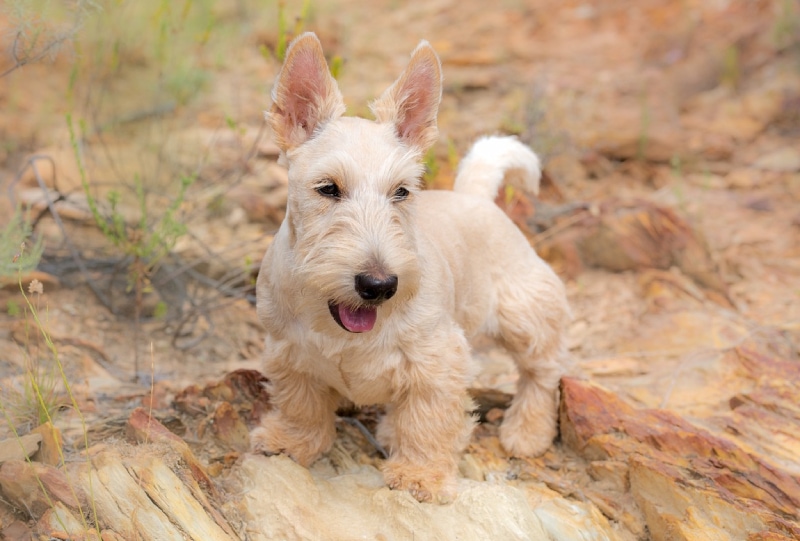
- A long, wiry double coat that comes in black, brindle, or wheaten.
- A unique rectangular body shape.
- A bushy beard and eyebrows that give them a distinguished look.
Their coat is a defining characteristic, but it requires regular grooming to prevent tangles and matting.
Temperament And Personality
Scottish Terriers are known for their independent and confident nature. They are often described as being “a big dog in a small body.” While they are loyal to their families, they can be reserved around strangers.
Traits include:
- Highly intelligent and quick learners.
- Strong-willed, often requiring consistent training.
- Affectionate but not overly clingy.
They make excellent watchdogs due to their alertness and protective instincts.
Scottish Terriers And Allergies
Scotties shed very little compared to other breeds, which is why some consider them hypoallergenic. Their wiry coat traps dander, reducing allergens in the air. However, no dog is completely free of allergens. Regular grooming and cleaning can minimize allergic reactions.
Common Health Issues
Like all breeds, Scottish Terriers are prone to specific health issues. Knowing these can help owners provide the best care:
| Health Issue | Description |
|---|---|
| Scottie Cramp | A genetic condition causing muscle spasms during exercise. |
| Bladder Cancer | Scotties have a higher risk of developing bladder cancer. |
| Allergies | They may develop skin allergies from environmental factors. |
Regular vet check-ups are essential to keep them healthy and happy.
Hypoallergenic Dog Breeds
Not all dog breeds are suitable for people with allergies. Some are known as hypoallergenic because they produce fewer allergens. These breeds can be a great choice for allergy sufferers who want a furry companion. But what about Scottie Dogs? Are they among the hypoallergenic breeds? Let’s explore hypoallergenic dog breeds and see how Scotties compare.
What Are Hypoallergenic Dog Breeds?
Hypoallergenic dog breeds are those that are less likely to trigger allergies. They shed less hair and dander, which are common sources of allergens. This makes them more suitable for people sensitive to pet allergens.
While no dog is completely free of allergens, hypoallergenic breeds are often recommended for allergy sufferers. Their unique coat types or low-shedding tendencies help reduce the spread of allergens in your home.
Popular Hypoallergenic Dog Breeds
- Poodle: Known for their curly, low-shedding coat, Poodles are a top choice for allergy sufferers.
- Bichon Frise: This breed has a soft, curly coat that traps dander and reduces shedding.
- Maltese: Their long, silky hair doesn’t shed much, making them ideal for those with allergies.
- Schnauzer: Schnauzers come in different sizes and are loved for their wiry, low-shedding coat.
- Portuguese Water Dog: With a dense, curly coat, this breed is often considered hypoallergenic.
How Do Scottie Dogs Compare?
Scottie Dogs, or Scottish Terriers, are a unique breed with a wiry double coat. While they shed less than some breeds, they are not completely hypoallergenic. Their coat still produces dander, which may cause allergic reactions in sensitive individuals.
Regular grooming can help manage allergens from Scottie Dogs. Weekly brushing and occasional baths reduce dander and hair in your home. This can make them a manageable choice for mild allergy sufferers.
Factors That Make A Dog Hypoallergenic
| Factor | Impact on Allergies |
|---|---|
| Shedding | Low-shedding breeds release fewer allergens into the air. |
| Dander Production | Dogs with tight, curly coats trap dander, reducing its spread. |
| Saliva | Some breeds produce less saliva, which contains allergens. |
| Size | Smaller dogs produce fewer allergens due to their size. |
Understanding these factors can help you choose the right breed for your allergies. It’s important to spend time with a dog before deciding to bring it home, especially if you have severe allergies.
Scotties And Allergies
Scottish Terriers, or Scotties, are known for their charming personalities and iconic appearance. They are loyal companions, but some people wonder if Scotties are hypoallergenic. While no dog breed is completely free of allergens, Scotties may cause fewer reactions for some individuals. Understanding their impact on allergies can help dog lovers make informed choices.
Common Allergens
Allergies caused by dogs often stem from proteins found in their skin cells, saliva, and urine. These proteins can attach to fur and dander, which spreads around the home. Scotties, despite their wiry coat, are not immune to producing allergens. Their short coat sheds less than some breeds, but shedding doesn’t determine allergen levels.
Here are some common allergens associated with dogs:
- Dander: Tiny flakes of skin that dogs shed naturally.
- Saliva: Saliva contains proteins that can trigger allergic reactions.
- Urine: Urine may also carry proteins that lead to allergies.
People allergic to dogs often react to these elements, not the fur itself. Scotties may produce less dander due to their coat type, but individual sensitivity varies. Regular grooming and cleaning can help reduce allergens in the environment. Using air purifiers and vacuum cleaners designed for pet dander can also minimize reactions.
The table below shows how Scotties compare to other breeds regarding common allergens:
| Allergen Type | Scottie Impact | Other Breeds |
|---|---|---|
| Dander | Moderate | Varies (High for heavy shedders) |
| Saliva | Moderate | Similar |
| Urine | Similar | Similar |
Understanding these allergens can help allergy sufferers decide if a Scottie is suitable for their home.
Symptoms Of Dog Allergies
Dog allergies can affect individuals differently. Symptoms may range from mild discomfort to severe reactions. People allergic to Scotties or other dogs should monitor their body’s response closely.
Some common symptoms of dog allergies include:
- Skin irritation: Redness, itching, or rashes after contact with the dog.
- Respiratory issues: Sneezing, coughing, or difficulty breathing indoors.
- Watery eyes: Eyes may become itchy, red, or teary.
- Nasal congestion: Runny or stuffy nose, often accompanied by sneezing.
In severe cases, allergic reactions may lead to asthma attacks or chronic sinus issues. Observing symptoms can help determine the severity of the allergy. Below is a simple table summarizing common symptoms:
| Symptom Type | Description |
|---|---|
| Skin Irritation | Itching, redness, or rash after touching the dog. |
| Respiratory Issues | Sneezing, coughing, or trouble breathing. |
| Eye Irritation | Red, itchy, or watery eyes. |
| Nasal Congestion | Runny or blocked nose with frequent sneezing. |
Recognizing these symptoms early can help manage allergies effectively. Allergy sufferers may need to consult a doctor for testing or treatment. Creating a clean, allergen-free space can help reduce exposure and improve comfort.
Credit: articles.hepper.com
Grooming Scotties
Scottish Terriers, or Scotties, are beloved for their unique appearance and independent personalities. While their hypoallergenic qualities are often debated, one thing is certain: they require regular grooming to maintain their iconic look and keep their coat healthy. Their wiry double coat needs specific care to minimize shedding and reduce allergens, making grooming an essential part of owning a Scottie. Below, we’ll explore the best practices for brushing and bathing your Scottie to ensure they stay clean, healthy, and comfortable.
Brushing Frequency
Scotties have a thick double coat with a soft undercoat and a wiry topcoat. Regular brushing is crucial to prevent matting and maintain their coat’s health. Aim to brush your Scottie at least 2-3 times per week. This helps remove loose hairs, dirt, and debris while distributing natural oils.
Here’s a breakdown of brushing essentials:
- Brush Type: Use a slicker brush or pin brush for the topcoat and a comb for the undercoat.
- Direction: Always brush in the direction of hair growth to avoid pulling or discomfort.
- Focus Areas: Pay extra attention to areas prone to matting, like the chest, legs, and behind the ears.
To make brushing easier, you can follow this simple routine:
| Day | Task |
|---|---|
| Monday | Light brushing of the topcoat |
| Wednesday | Thorough brushing of the undercoat |
| Friday | Full coat brushing |
Brushing regularly can also help reduce allergens, making it a win-win for both you and your furry friend. Consistency is key to keeping their coat manageable and reducing shedding.
Bathing Tips
Bathing a Scottie is not required frequently due to their naturally dirt-resistant coat. Bathing them every 6-8 weeks is generally sufficient, unless they get particularly dirty. Over-bathing can strip their coat of natural oils, leading to dryness and irritation.
Follow these tips for an effective bath time:
- Choose the Right Shampoo: Use a dog-specific shampoo, preferably one designed for wiry coats.
- Water Temperature: Ensure the water is lukewarm to prevent discomfort or skin irritation.
- Pre-Bath Brushing: Brush your Scottie before bathing to remove loose hair and tangles.
- Rinse Thoroughly: Ensure all shampoo is rinsed out to avoid residue, which can cause itching.
- Drying: Use a towel to dry their coat gently, followed by a blow dryer on a low setting if needed.
To make bath time less stressful, consider using a non-slip mat in the tub and offering treats as a reward afterward. Always check their skin for any signs of irritation or infection while bathing, as early detection can prevent further issues.
Proper bathing not only keeps your Scottie smelling fresh but also helps maintain the texture and appearance of their coat. It’s an essential part of a comprehensive grooming routine.
Living With Scotties
Scottie dogs, also known as Scottish Terriers, are beloved for their loyalty and distinct appearance. Many potential owners wonder if these dogs are hypoallergenic and what living with them is like. While no dog is completely hypoallergenic, Scotties may be a better option for some allergy sufferers due to their wiry coats. Let’s explore how to create a comfortable environment for both you and your Scottie.
Home Environment
Creating the right home environment for a Scottie dog ensures their happiness and minimizes potential allergens. These dogs are small but energetic, so your home should cater to their needs.
Here’s how to make your space Scottie-friendly:
- Designated Play Area: Scotties love to play. Provide a space with durable toys to keep them entertained.
- Regular Cleaning: Vacuum carpets and upholstery often to reduce hair and dander accumulation.
- Grooming Station: Set up a spot for weekly brushing. This reduces shedding and keeps their coat in top condition.
- Safe Furniture: Scotties are curious. Use pet-safe covers on sofas and chairs to protect them from scratches and fur.
To further support a clean environment, consider using washable rugs and slipcovers. These are easy to clean and help maintain a hygienic space for allergy-sensitive individuals.
The table below summarizes important aspects for a Scottie-friendly home:
| Aspect | Tips |
|---|---|
| Flooring | Hardwood or tile is easier to clean than carpets. |
| Bedding | Use washable dog beds and clean them weekly. |
| Furniture | Choose pet-safe materials like leather or microfiber. |
Air Quality
Maintaining good air quality is vital when living with a Scottie, especially for those with allergies. Their wiry coat sheds minimally, but dander and other particles can still circulate indoors.
Ways to improve air quality include:
- Invest in an Air Purifier: Look for a purifier with a HEPA filter. It traps allergens like pet dander and dust.
- Ventilate Your Home: Open windows daily to let fresh air in and reduce indoor pollutants.
- Use a Dehumidifier: Scotties thrive in dry environments. A dehumidifier reduces mold and mildew, which can irritate allergies.
- Change HVAC Filters: Replace filters every 2-3 months to maintain clean airflow.
For Scottie owners, controlling airborne allergens is essential. A weekly cleaning routine, including dusting and mopping, can significantly reduce irritants. Avoid using heavily scented cleaning products, as these can impact sensitive noses—both yours and your dog’s.
A simple checklist can help maintain air quality:
- Run an air purifier daily.
- Wash curtains and blinds monthly.
- Keep your Scottie’s sleeping area clean and dander-free.
By focusing on air quality, you create a healthier environment for everyone in the home.
:strip_icc()/Scottishterrierpuppy-128d159adfcc4ca98d9d0419e5a72c2e.jpg)
Credit: www.thesprucepets.com
Comparing Breeds
Scottie dogs, also known as Scottish Terriers, are beloved for their unique appearance and loyal nature. Many prospective dog owners, especially those with allergies, wonder if Scottie dogs are hypoallergenic. To understand this, it’s important to compare them with other breeds in terms of allergen levels and other characteristics. This comparison can help allergy sufferers make an informed decision about owning a Scottie or another breed.
Scotties Vs. Other Breeds
Scotties have a distinct double coat that sheds minimally, which is often a desirable trait for allergy sufferers. Their wiry topcoat helps trap dander, reducing its spread in the home. But how do they compare to other breeds?
- Poodles: Poodles are often considered hypoallergenic due to their curly coat that minimizes dander and shedding.
- Schnauzers: Schnauzers have a similar wiry coat to Scotties, which helps reduce allergens.
- Labrador Retrievers: Labs shed heavily, which may increase allergen exposure for sensitive individuals.
Shih Tzus have hair instead of fur, which reduces shedding but still produces some dander.
Scotties are a middle ground. They shed less than most breeds but aren’t entirely free of allergens. Their grooming needs are moderate, requiring regular brushing to manage loose hair and dander.
| Breed | Coat Type | Shedding Level | Hypoallergenic Traits |
|---|---|---|---|
| Scottie | Wiry double coat | Low | Moderate |
| Poodle | Curly coat | Minimal | High |
| Labrador Retriever | Smooth coat | High | Low |
| Schnauzer | Wiry coat | Low | Moderate |
Allergen Levels In Different Breeds
Dog allergens primarily come from proteins in skin cells, saliva, and urine. Different breeds produce varying amounts of these allergens. Let’s explore how Scottie dogs compare to others.
Low-allergen breeds: Breeds like Poodles and Bichon Frises have coats that trap dander. These breeds are often recommended for allergy sufferers.
Moderate-allergen breeds: Scotties fall into this category. Their coats trap some dander, but allergens can still accumulate. Regular grooming and cleaning can help reduce allergen levels.
High-allergen breeds: Breeds like German Shepherds and Huskies shed heavily. Their shedding releases more dander and allergens into the environment.
Below is a comparison of allergen levels across popular breeds:
| Breed | Allergen Level | Grooming Needs |
|---|---|---|
| Scottie | Moderate | Regular brushing |
| Poodle | Low | Frequent grooming |
| German Shepherd | High | Frequent shedding cleanup |
| Shih Tzu | Low | Daily brushing |
Scotties aren’t completely hypoallergenic, but their low shedding and dander-trapping coat make them a better choice for mild allergy sufferers.
Tips For Allergy Sufferers
Scottie dogs, or Scottish Terriers, are charming, loyal, and full of personality. But are they hypoallergenic? The short answer is no dog is truly hypoallergenic, as all dogs produce allergens. However, Scottie dogs may still be a good option for allergy sufferers due to their wiry, low-shedding coat. If you or someone in your home has allergies, there are steps you can take to minimize allergic reactions while enjoying life with a Scottie dog. Here are some helpful tips to consider.
Choosing The Right Dog
Choosing a dog for an allergy-prone household requires careful consideration. Not all dogs affect allergies in the same way, even within the same breed. Here are some tips to help you make the best choice:
- Spend time with the breed: Before adopting a Scottie, visit one to see how your body reacts.
- Look for a reputable breeder: Responsible breeders can provide information about the dog’s health and coat care.
- Consider adult dogs: Puppies may not show their full shedding patterns, so an adult dog can give you a better idea of allergen levels.
- Test your allergies: Consult an allergist to determine your specific triggers. Some people are more sensitive to dander, while others react to saliva.
It’s important to note that no dog is completely free of allergens. Scotties shed less than other breeds, but they still produce dander and saliva, which can trigger symptoms. If adopting a dog, ensure your choice aligns with your allergy management plan.
Managing Allergies At Home
Once you’ve brought your Scottie home, managing allergies becomes essential. With proper care and cleaning routines, you can reduce allergens and enjoy a more comfortable environment. Here are some practical tips:
- Regular grooming: Brush your Scottie several times a week to remove loose hair and dander. Schedule professional grooming every 6-8 weeks.
- Bathing: Bathe your dog monthly with a gentle, hypoallergenic shampoo to reduce allergens on their coat.
- Clean surfaces: Vacuum carpets, rugs, and furniture frequently using a vacuum with a HEPA filter. Wash your dog’s bedding weekly.
- Air purification: Use an air purifier with a HEPA filter in rooms where your Scottie spends the most time.
- Limit access: Keep your dog out of bedrooms and other areas where you spend prolonged periods.
- Wash hands: After petting or grooming your Scottie, wash your hands to avoid spreading allergens to your face.
Adopting these strategies can significantly reduce allergens in your home. By maintaining a clean environment and prioritizing grooming, you can enjoy life with your Scottie dog while keeping allergy symptoms under control.

Credit: www.petbarn.com.au
Frequently Asked Questions
What Are The Downsides Of Scottish Terriers?
Scottish Terriers can be stubborn, independent, and challenging to train. They require regular grooming and may develop health issues like allergies. Their strong prey drive makes them unsuitable for homes with small pets. They can be aloof with strangers and need firm, consistent leadership to prevent behavioral problems.
What Is The Most Hypoallergenic Dog?
Poodles are often considered the most hypoallergenic dogs due to their low-shedding coats and reduced allergen production.
Are Airedale Terriers Hypoallergenic?
Airedale Terriers are considered low-shedding, which may reduce allergens. They are not completely hypoallergenic, but may suit allergy sufferers.
Do Scottish Terrier Dogs Shed?
Scottish Terriers are low-shedding dogs. They have a wiry coat that requires regular grooming to prevent matting and maintain cleanliness.
Conclusion
Scottie dogs are not considered completely hypoallergenic. They still shed dander, which can trigger allergies in sensitive individuals. Regular grooming and cleaning can help reduce allergens in your home. Always spend time around a Scottie before bringing one home if allergies are a concern.
Each person’s reaction to a dog may differ. Scotties make wonderful companions for the right families. Understanding their needs and your own sensitivities is key. By doing your research, you can make an informed decision. A happy, healthy match benefits both you and your pet.